
Designing Your Post-Military Wardrobe
I’m a Marine Corps brat. I’ve seen what a military to civilian transition can look like, so I’m writing this to hopefully guide veterans down a path of less resistance and more results. At least, as it pertains to dressing professionally for your post-service career. It’s one of the biggest professional and personal pivots you’ll make other than your initial enlistment/commission, and your wardrobe is a critical part of that transition. The way you show up visually affects the hiring process, how quickly colleagues see you as a peer, and how confidently you step into new rooms.
Mindset shift from uniform to personal brand
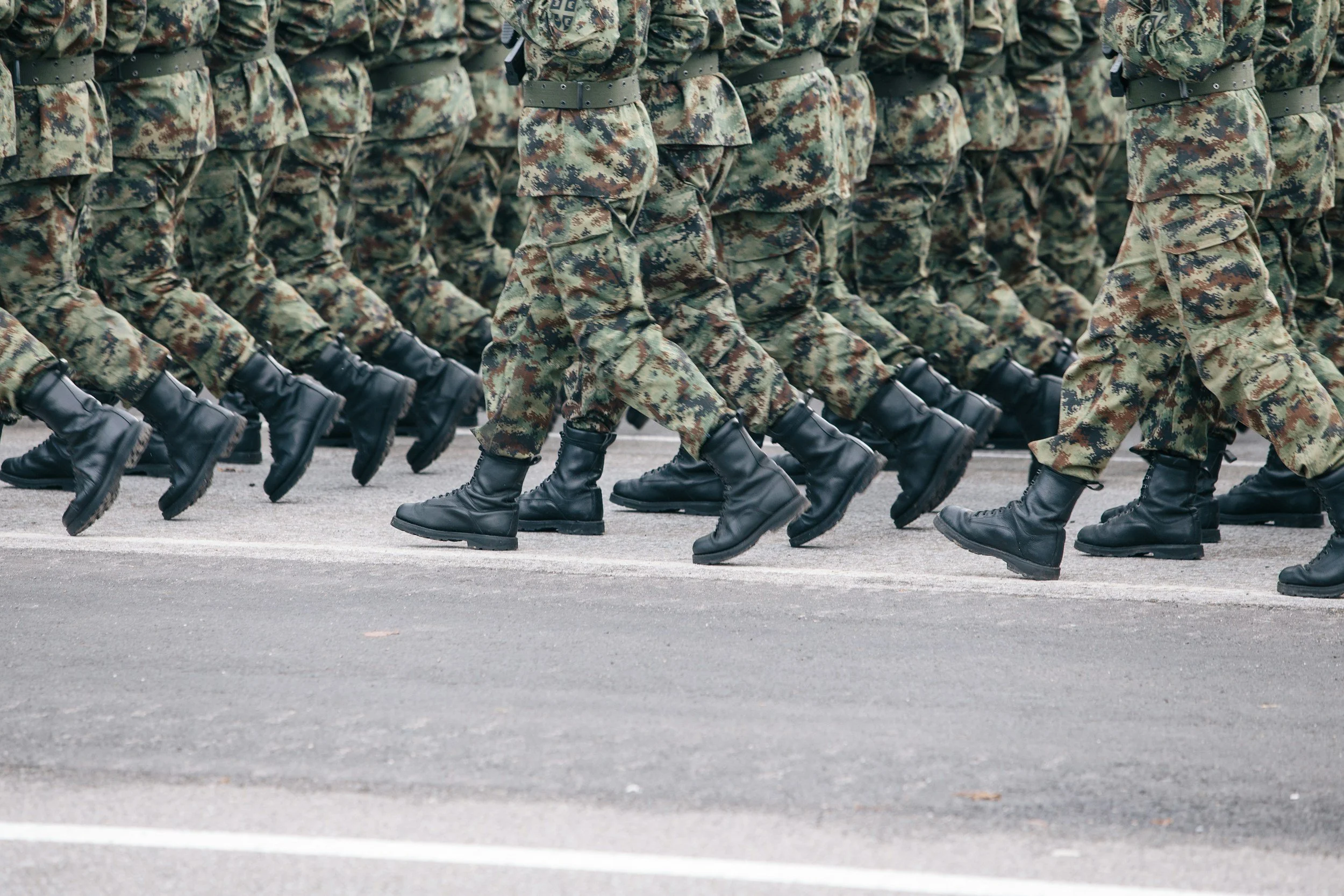
In the military, your uniform told people almost everything they needed to know about your role and seniority. In the civilian world, you create that signal yourself through fit, quality, color, and consistency rather than rank insignia. For both men and women, this means thinking in terms of “personal brand” instead of “standard issue”: what colors look best on you, what fits flatter your build, and how formal your new environment expects you to be. You are no longer issued clothing, so you will likely own fewer items than you did uniforms, but each piece should be higher quality, more versatile, and tailored to your body.
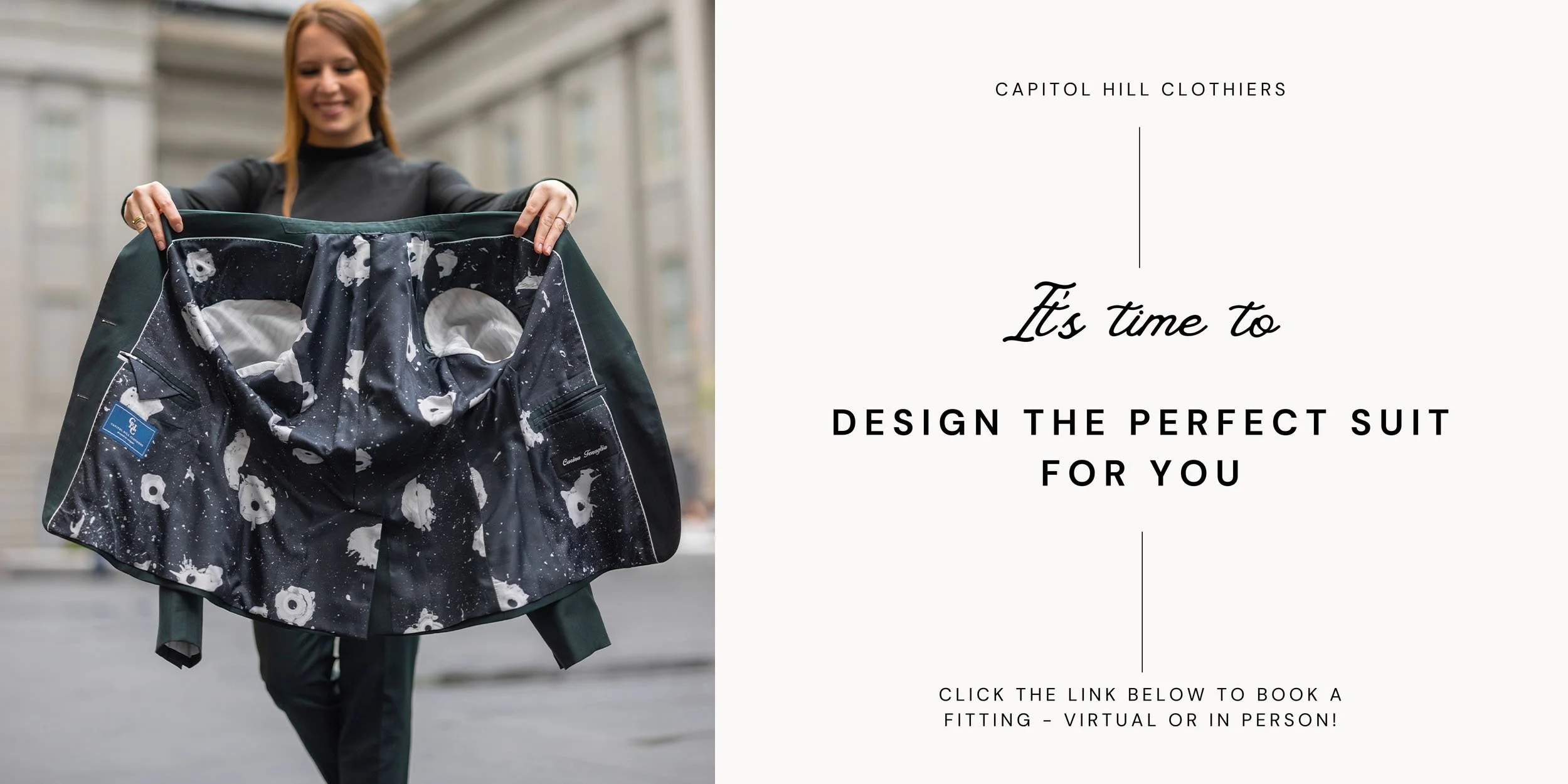
If you are in the DC area and want help translating your service background into a sharp corporate image, a concierge experience from Capitol Hill Clothiers can build an initial wardrobe that reflects your new professional identity without feeling like a costume. We create custom suits, shirts, and other professional attire for both men and women and will come to your home or office in Washington DC, Virginia, and Maryland so you can handle this part of the transition efficiently.
Understanding civilian dress codes
One of the hardest parts of leaving the military is that civilian dress codes are not standardized. Terms like “business formal”, “business casual”, and “smart casual” vary by industry, city, and even team. If you want to dive into what the dress codes all really mean, check out our guide here. As a rule, interviews and first weeks of work call for dressing one notch more formal than what you expect is the norm, then adjusting once you see what leaders and high performers wear day to day.
In short, business professional/formal typically means a suit with a collared shirt and closed‑toe leather shoes for both men and women, with women having the option of pantsuits, skirt suits, or tailored dresses with a blazer. Business casual relaxes things slightly, often shifting to separates such as dress trousers or chinos with a blazer and an open‑neck shirt or knit, and for women, refined blouses or sweaters with trousers or skirts that still look polished. Truly casual workplaces exist, especially in tech, but even there, you will stand out positively if your jeans are dark, your shirts are clean and structured, and your shoes are intentional rather than athletic.
Building a starter wardrobe regardless of budget
Most veterans don’t need an entire closet overhaul on day one. Instead, build a compact, high quality wardrobe that covers interviews, onboarding, and your commonly anticipated work situations, then expand once you understand your specific office culture. For men, two well fitted suits in navy and medium/dark gray, a rotation of white and light blue shirts, a dark brown pair of dress shoes, and a couple of subtle ties can handle nearly any corporate environment. For women, two tailored suits or one suit and one sheath dress with a blazer, a few neutral blouses or shirts, one pair of closed‑toe heels or flats, and a structured bag create the same flexibility.
Fit is more important than brand, especially when you are used to standard issue uniform cuts. Many off‑the‑rack garments are built for generic body shapes and can look sloppy if not adjusted. A good tailor can improve store‑bought clothing, but custom garments that are created to your exact measurements will give you the most professional outcome per wear. If you are in the DC area, working with Capitol Hill Clothiers on one or two custom suits can give you an anchor for your entire wardrobe that you can then supplement with off-the-rack options. or we can overhaul your entire wardrobe to be fully custom-made for you.
Fit and tailoring for military bodies
Many service members maintain an athletic or muscular build, which can make standard retail suiting difficult. Men with broad shoulders and a trim waist often struggle with jackets that fit the shoulders but are too roomy through the midsection or too tight in the chest. Women with strong shoulders, backs, and hips often find that off‑the‑rack suits either pull in the shoulders and bust or balloon at the waist and thighs. When your clothes pull, gape, or collapse, you can unconsciously look uncomfortable or less prepared, even if your resume says otherwise.
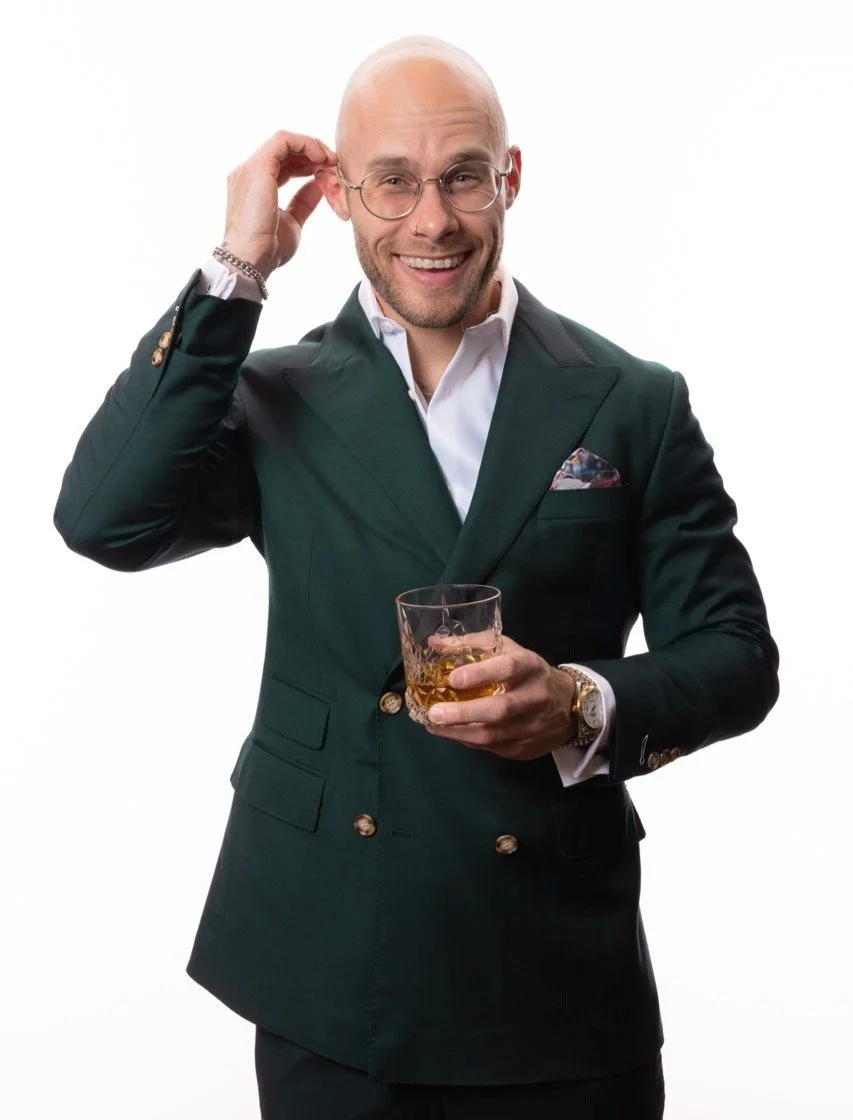
Tailoring solves most of this. Jacket shoulders should lie flat, sleeves should land at the wrist bone, and the jacket should contour your torso without visible pulling when buttoned. Trousers should follow the natural line of your leg and hit at or just above the shoe without pooling on the floor. For more athletic frames, structured fabrics and slightly roomier cuts that are then shaped through the waist often look sharper than ultra‑slim styles. Custom suiting from Capitol Hill Clothiers is particularly helpful here because we build patterns around your actual proportions rather than altering an off-the-rack suit that doesn’t fit.
Translating rank presence into civilian personal brand
One of your greatest assets as a veteran is command presence. In uniform, that presence was part posture, part grooming, and part the authority of your rank. In civilian life, posture and grooming still matter, but your clothing choices become the new visual shorthand for competence. Men and women coming out of the military often underestimate how much a clean, structured look affects first impressions in industries that never see a uniform, such as tech, finance, or creative agencies.
Simple habits carry over smoothly: press your shirts, polish your shoes regularly, and keep jackets and trousers free of wrinkles and lint. Maintain clean, trimmed facial hair if you grow a beard, and choose hairstyles that look deliberate and suit you. For women, this does not mean you need heavy makeup or elaborate styling, but you should look like you took a few intentional steps to get ready. A tailored custom suit or blazer with sharp lines and a harmonious color palette helps your natural confidence show up immediately, especially when you are adjusting to a less structured environment. If you want a professional to handle the color, fit, and styling calculus for you, Capitol Hill Clothiers utilizes a high‑touch design process that helps you combine your personal preferences with the expectations of your new field.
Industry‑specific dress codes in Washington, DC
The DC area is unique. You can step from a federal agency into a startup coworking space in the same afternoon, and each has a very different style baseline. Below is a quick reference for how men and women can interpret dress codes across common post‑military paths.
For interviews across all of these, err on the side of formality. Even firms with relaxed dress codes still expect candidates to show they can present at a high level, and a suit is rarely held against you. If you would like a suit that can flex across industries, a mid‑weight navy or charcoal custom suit from Capitol Hill Clothiers can give you a foundation that works with dress shirts and ties for interviews and with knits or open collars for more casual workplaces.
Gender‑specific wardrobe considerations for veterans
Men often face the straightforward but unfamiliar shift from uniforms and PT gear to shirts that need ironing and shoes that need polishing. Pay attention to collar shapes that flatter your neck and face, trouser rises that feel comfortable when you sit at a desk all day, and jackets that accommodate your shoulders without swimming at the waist. Resist the urge to treat suits as ceremonial items you only wear for interviews; in many DC roles, a well cut suit or blazer is a regular tool of your trade. A custom menswear appointment can be particularly valuable if you have not worn a suit regularly in years, since your custom clothier can help you understand the current silhouette and details that look modern without being flashy.
Women transitioning out of the military often face a steeper learning curve. Womenswear has more options and fewer hard rules, so you may need to experiment with silhouettes such as straight leg versus tapered trousers, A‑line versus pencil skirts, and single‑breasted versus double‑breasted blazers to see what feels powerful and authentic. Pay close attention to fabric quality and opacity, neckline depth, and skirt length so you stay in a professional zone across settings. Because so much of women’s suiting is cut for very different body types, working with a custom clothier that has explicit experience with bespoke women’s suits can save months of trial and error and give you some impeccable outfits to anchor your wardrobe.
Adapting your wardrobe over time
Treat your first year out of the military as a calibration period. Start with a core capsule that feels slightly more formal than necessary, then observe the patterns of people who are respected and promoted in your organization. Notice how they dress for big presentations, normal days, and Fridays, and slowly let your own wardrobe shift in that direction. As your responsibilities grow, you may find you need additional suits, more travel‑friendly pieces, or clothes suited to public speaking and media appearances.
Plan to reassess your wardrobe every 6 to 12 months as your role evolves. You might move from a client facing position into a leadership role where your clothing needs to project authority and stability more than individual flair, or you might step into a startup where you need a small set of elevated casual pieces that still respect your background.
FAQs about dressing for post‑military corporate jobs
How should I dress for a corporate finance or accounting role if I am coming from the military?
For interviews, aim for a classic two piece suit in navy, gray, or subtle pinstripe with a collared shirt and conservative shoes, regardless of the firm’s internal dress code. Men can add a simple silk tie and leather belt, while women can choose between a pantsuit or skirt suit, or a structured dress with a blazer. Once hired, pay attention to how senior staff dress; many finance environments have softened to business casual, but a blazer and polished shoes still separate you from “casual Friday” energy.
What is appropriate for consulting or government contracting in DC?
Consulting firms and contractors dress to the client, so government agencies and regulated industries often still expect full suits on client sites. On internal days, many teams relax to business casual, but you should keep a suit or blazer at the office so you can upgrade quickly for unexpected meetings. Both men and women should err on the more conservative side when working with federal clients in DC and then scale back slightly when working with commercial or tech clients.
How do I dress for a tech job without feeling underdressed?
Tech companies in DC and beyond commonly embrace business casual or smart casual, meaning dark jeans or chinos, collared shirts or refined knits, and clean sneakers or oxfords. For interviews or presentations to investors or government partners, step up to at least a blazer and tailored trousers, and consider a suit for high stakes meetings. Women can achieve the same balance with dark denim or tailored pants, a blouse or knit top, and a blazer that can be removed if everyone else is dressed more casually.
What should I wear if I am going into a federal agency or policy role?
DC federal and policy environments lean more conservative than many private sector offices, especially in visible roles that interact with senior officials or the public. Men should expect to rely on suits and dress shirts regularly, with or without a tie depending on the office, while women should have at least two neutral suits and several blouses that are opaque and non‑distracting. Over time, you will see which days allow more relaxed business casual separates, but starting with a more formal baseline helps signal respect for the institution.
How can I build a professional wardrobe if I rarely wore suits in the military?
Begin with two high quality, well fitted suits and a small rotation of shirts or blouses in neutral colors, then add shoes and accessories that work across outfits. Pay for tailoring or work with a custom clothier on those first pieces so the fit is impeccable, since you can wear them frequently and in many combinations. Once those anchors are in place, expand into business casual pieces like chinos, dark jeans, knits, and additional shirts as your budget and role allow.
Do I really need custom suits, or is off‑the‑rack enough?
Off‑the‑rack can work if you find a brand whose standard fit closely matches your build and you invest in good alterations. However, many veterans have athletic proportions that are hard to fit with mass market patterns, which can lead to compromises in comfort or appearance. Custom suiting from Capitol Hill Clothiers gives you precise fit, access to thousands of fabrics, and control over specific details like lapel width, pockets, lining, and embroidery, which makes every appearance feel intentional and reinforces your new civilian brand.
If you are in the DC, Maryland, or Virginia area and want someone to handle the fit, fabric, and styling decisions so you can focus on your new career, consider booking a concierge fitting with Capitol Hill Clothiers for men’s and women’s custom suits and wardrobe consulting that meets you wherever you are in your transition.