

How Suit Fabrics Are Milled
Suit fabric milling is the process that turns raw fiber into the cloth that eventually becomes a jacket, suit, or overcoat. It is the first step in custom menswear and womenswear because milling determines how a fabric feels, drapes, breathes, wrinkles, and lasts. If you understand how cloth is milled, you start to understand why two fabrics that look similar on a hanger can drape and function very differently on the body.
For anyone investing in custom suits, fabric milling matters because it affects comfort, structure, and longevity. A well-milled fabric can make a suit feel refined and effortless. A poorly milled one can feel scratchy, collapse too quickly, or age in a way that makes the garment look tired long before its time.

From fiber to cloth
Milling begins with fiber. Wool, cotton, linen, silk, and cashmere all start as raw natural material that must be cleaned, spun, woven, and finished before it becomes usable cloth. Each stage changes the final personality of the fabric. The fiber itself provides the raw character, but the spinning and weaving determine how that character shows up in a finished suit.
Wool is one of the most common suiting fibers because it naturally resists wrinkles, breathes well, and takes dye beautifully. Linen is lighter and more textured, with a drier hand and a relaxed character that suits warm-weather garments. Cotton is versatile but softer in structure, while silk and cashmere are usually blended in to add luster, softness, or warmth. How those fibers are processed and combined during milling shapes everything that comes after.
Spinning and yarn quality
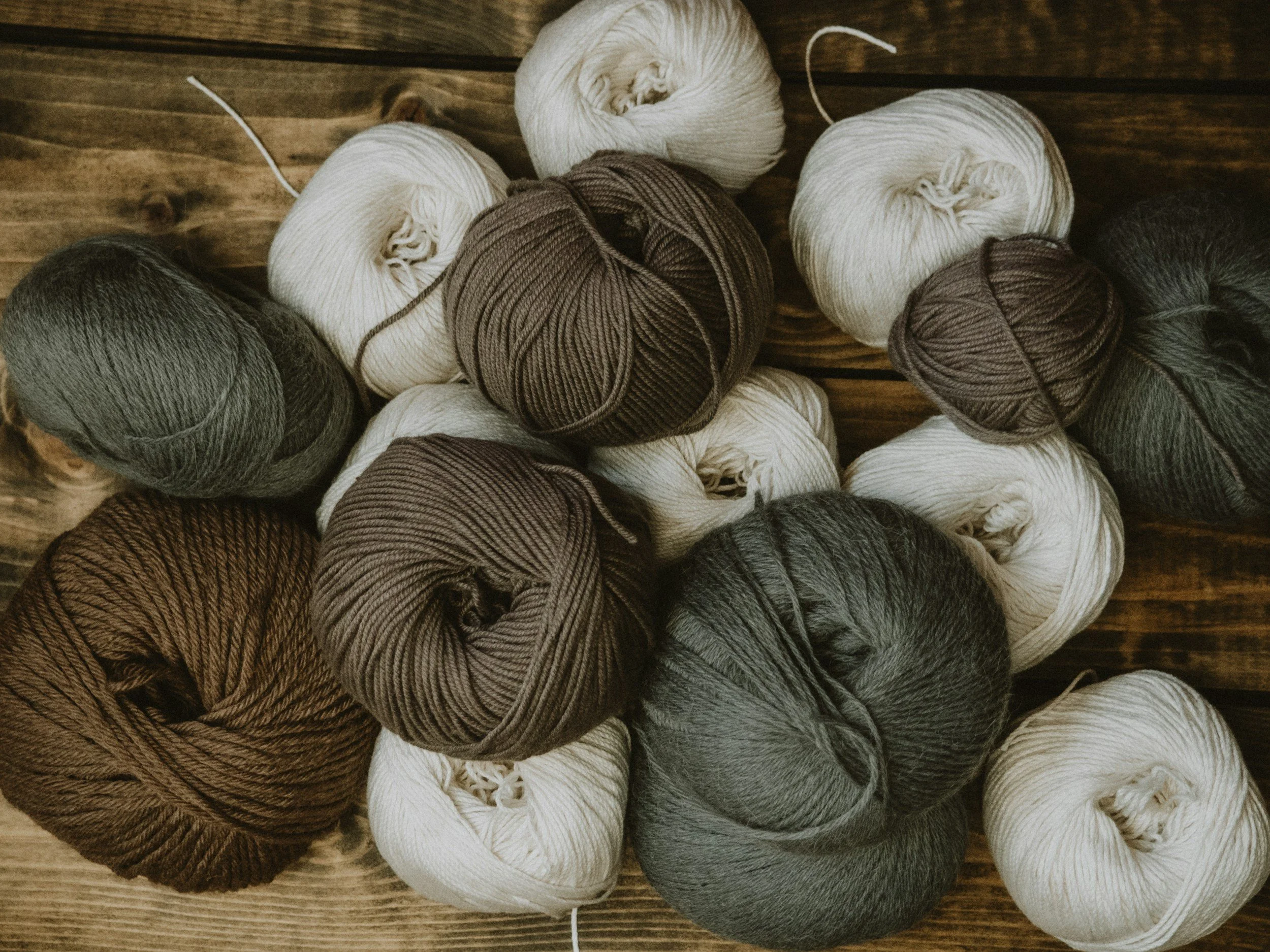
After the fiber is cleaned and prepared, it is spun into yarn. This step matters more than many people realize because the quality of the yarn affects how smooth, strong, and consistent the final fabric will be. Finer yarns generally create cloth that feels more refined and drapes more elegantly, while coarser yarns create fabrics with more texture and rustic character. This is also when planning for the end weight of the fabric begins. Thicker and more tightly-woven fibers will make for a heavier fabric in the end.
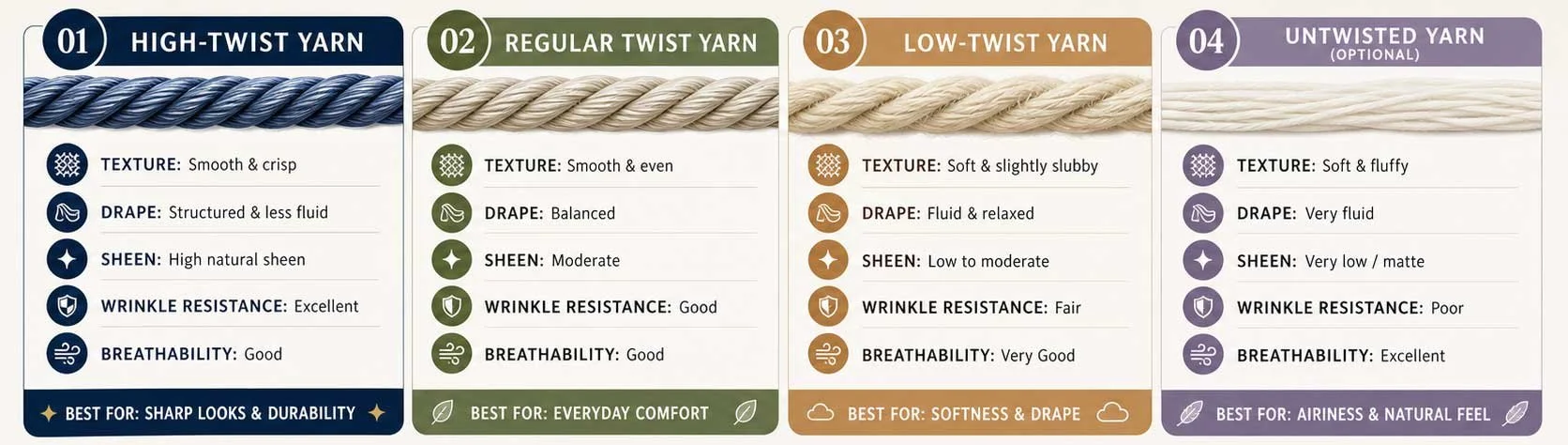
The twist of the yarn also matters. Tightly twisted yarns tend to make cloth that is more durable, crisper, and wrinkle resistant. Loosely twisted yarns can feel softer and more relaxed, but they may not hold a sharp crease as well. This is why high-twist wools are often favored for travel or warm climates, while softer yarns can be used for garments where comfort and texture matter more than crispness.
Weaving the cloth
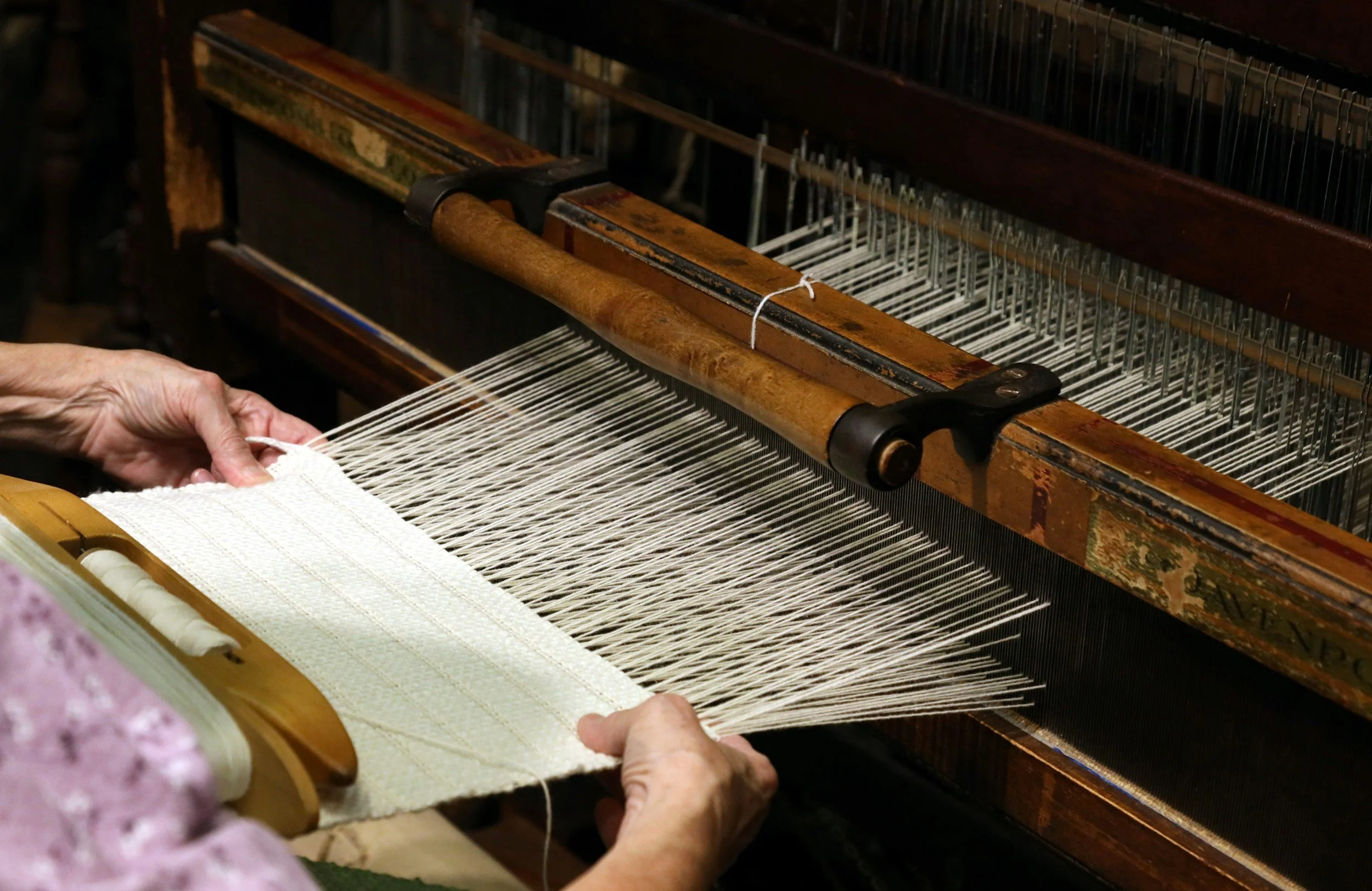
Once the yarn is ready, it is woven into fabric on a loom. Weaving is where the structure of the cloth is created, and it has a major effect on how the final suit looks and behaves. The two most common weaving structures for suiting are plain weave and twill weave, though there are many variations within both.
Plain weave creates a flatter, tighter cloth that is often more breathable and crisp. Twill weave creates the diagonal texture you see in many classic suits and generally offers better drape and wrinkle resistance. Twills can be smooth and refined or more textured and seasonal depending on the yarn and finishing process. This is why a worsted wool twill can look polished and formal, while a linen twill may feel breezier and more relaxed.
The role of finishing
Finishing is where the woven cloth is transformed from a raw textile into something that is ready for tailoring. This stage can include washing, brushing, pressing, singeing, fulling, calendaring, and other treatments that modify the hand and appearance of the fabric. Finishing determines whether a cloth feels crisp, soft, dry, lustrous, matte, dense, or airy.
A wool fabric might be finished to create a smooth, elegant hand for a business suit, or brushed to create a softer, warmer feel for a flannel. Linen may be lightly finished to preserve its relaxed texture and natural irregularities. Cashmere blends often receive finishing that enhances softness and improves drape. The milling house chooses these treatments based on the intended use of the cloth, which is why a fabric designed for a summer jacket behaves very differently from one designed for a winter overcoat.
Why wool is milled so often for tailoring
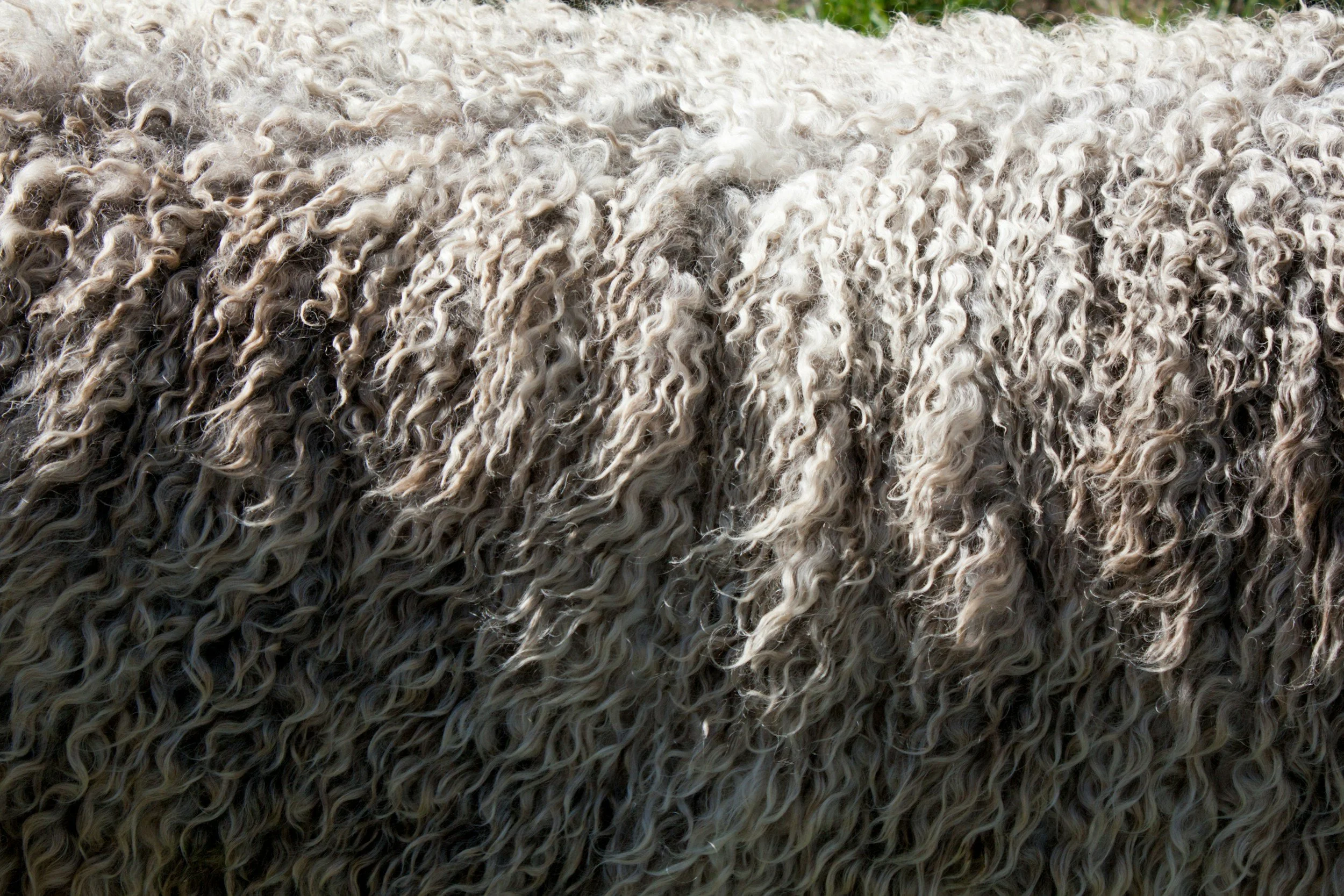
Wool is especially well suited to milling because it is flexible, resilient, and highly responsive to processing. It can be spun into a huge range of yarns, woven in many structures, and finished for multiple seasons and purposes. That versatility is one reason wool dominates classic suiting.
Milled wool can be made smooth and sleek for formal business wear, or dense and brushed for a more seasonal, textured look. It can be light enough for travel suits or heavy enough for winter tailoring. The natural elasticity of wool helps garments recover shape after wear, which is part of why a good wool suit tends to look sharp throughout the day.
Linen milling and its character
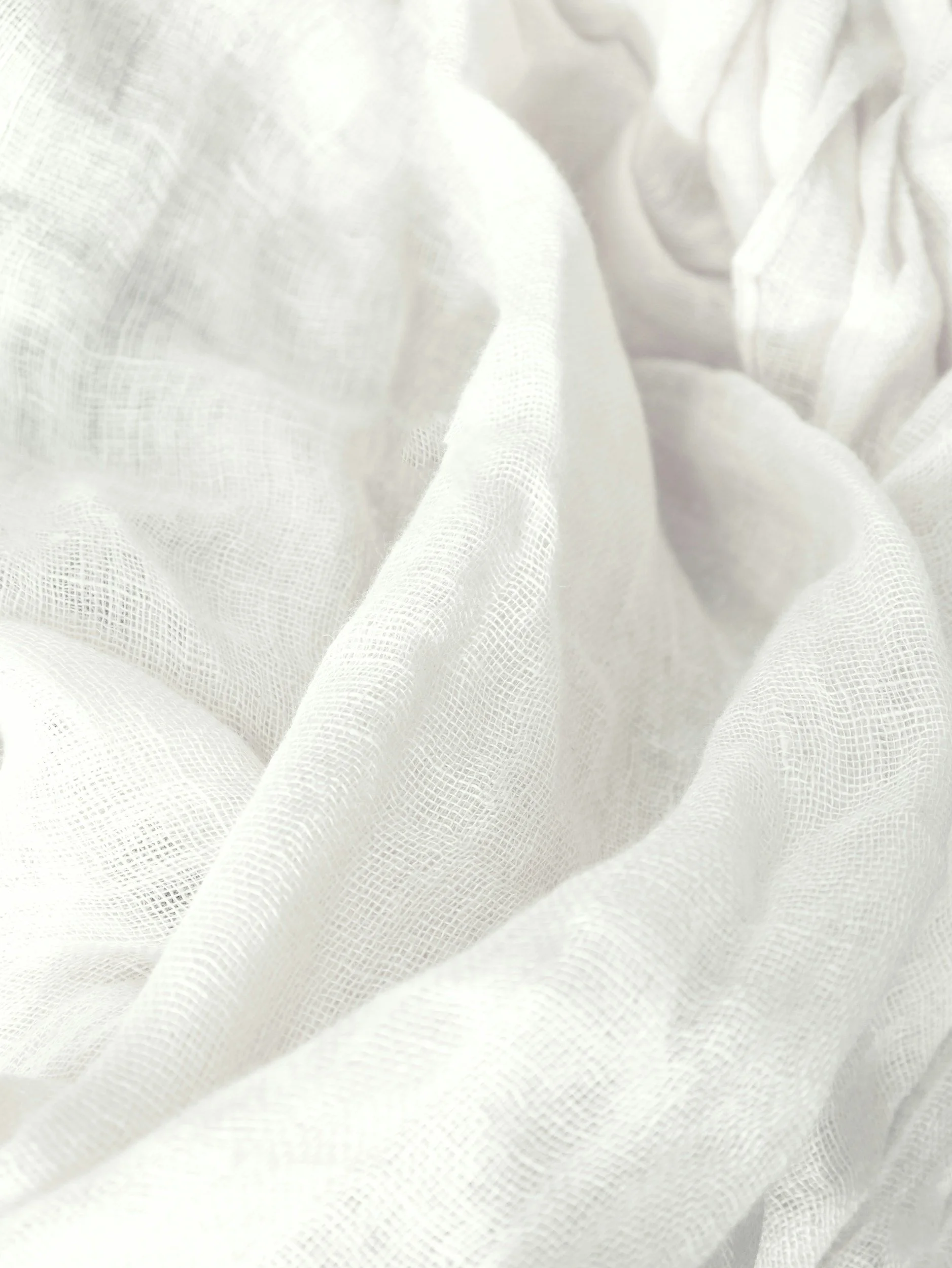
Linen is milled differently from wool because the fiber itself behaves differently. It is derived from the flax plant and naturally has more variation in thickness and a drier, more irregular hand. Those qualities give linen its relaxed, breathable character, but they also make it more prone to visible creasing.
When linen is milled into suiting cloth, the goal is often to preserve as much of that natural texture as possible while still creating enough structure for tailoring. A pure linen fabric will usually look more casual and relaxed, which is part of its charm. Linen blends, especially with wool or silk, can make the fabric more versatile by improving drape, reducing wrinkling, and softening the overall look. For warm-weather jackets and suits, that blend of breathability and structure is often ideal.
Blends and what they do
Blending fibers is one of the most important tools in milling. A mill can combine wool with silk for added sheen and softness, wool with linen for lightness and texture, or wool with cashmere for warmth and luxury. The proportions of the blend dramatically influence how the fabric behaves.
A wool-silk blend may feel smoother and look slightly more elegant than pure wool. A wool-linen blend may feel cooler and look more textured, making it ideal for spring and summer tailoring. A wool-cashmere blend may feel softer and warmer, which makes it especially useful for jackets and overcoats. The reason blends are so useful is that they let mills solve problems without sacrificing the best traits of the base fiber.
How milling affects garment performance
Milling is not just about appearance. It affects how the garment performs in real life. A tightly woven and well-finished fabric will generally hold its shape better, drape more cleanly, and resist wear longer than a loosely processed cloth. That matters when you are sitting at a desk, traveling, meeting clients, or spending a long day in and out of temperature-controlled spaces.
The wrong milling can create a garment that wrinkles too quickly, loses structure after a few wears, or feels unpleasant on the skin. The right milling helps a jacket or suit move naturally with your body while still looking polished. That is why experienced clothiers pay so much attention to the difference between cloths that may seem similar at first glance but behave very differently once tailored.
Reading cloth in person
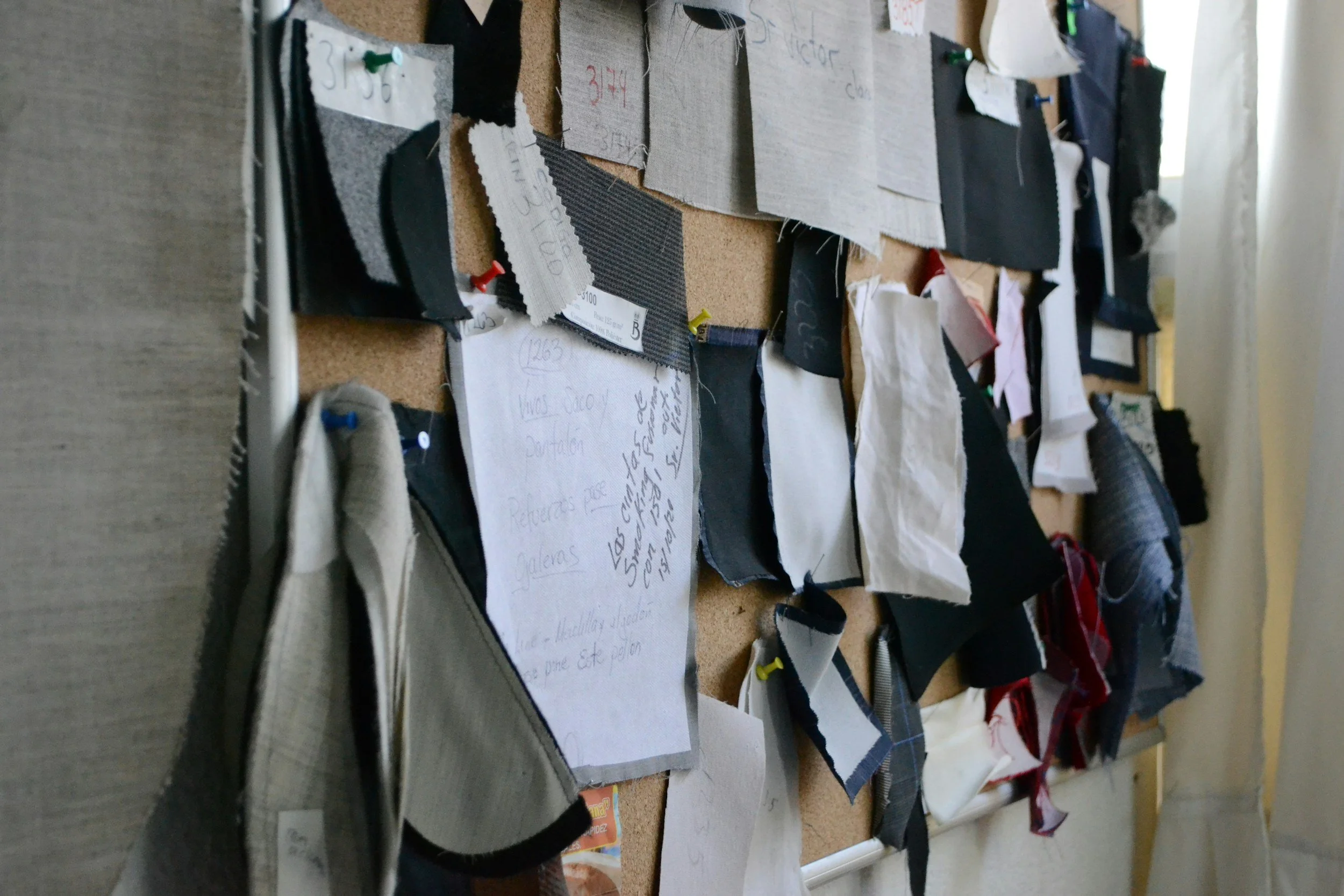
One of the best parts of designing a custom suit in Washington DC is being able to see and feel the fabric before it is cut into your custom suit. When you handle cloth in person, you start to notice weight, texture, flexibility, and recovery. A good suit fabric should feel substantial without being stiff, and refined without feeling fragile.
It also helps to look at how the cloth folds and falls. Some fabrics create a clean, liquid drape, while others hold more body and structure. Some fabrics are better for daily office wear, while others are better for special occasions or warmer weather. Milling informs all of these differences, so the cloth is never just a surface choice. It is part of the garment’s architecture.
Choosing fabrics for your custom suits
When choosing cloth for a custom suit, think first about the climate, the dress code, and how often you will wear the garment. If you need a suit for year-round business wear, a smooth worsted wool is often the most versatile choice. If you need something for spring and summer, a lighter wool or wool-linen blend may be more comfortable. If you want a softer and more luxurious feel, a wool-cashmere blend may be worth considering. For winter, cashmeres and flannel/tweed wools are excellent.
For jackets, especially sport coats, the texture and milling can be a little more expressive. That is where linen, hopsack, brushed wool, and other textured fabrics can shine. The right choice depends on whether you want the garment to read as formal, relaxed, seasonal, or elevated casual.
Suit fabric milling is one of the hidden foundations of great tailoring. It shapes how a cloth looks, feels, and performs long after the suit leaves the tailor’s bench. If you understand milling, you become a better judge of quality and a more informed custom client.
At Capitol Hill Clothiers, I help clients choose fabrics that are not only beautiful on the hanger but also practical for real life. Whether you need a crisp wool for the boardroom, a breathable linen blend for summer, or a refined cloth for an overcoat or sport coat, the milling behind the fabric makes all the difference.