
When is it Time to Upgrade to Custom Suits?
Knowing when to upgrade to custom suits is less about age or job title and more about how you need to show up in the world. It becomes the right move when off‑the‑rack clothing is holding back your confidence, comfort, or professional image.
From “it fits fine” to “this was made for me”
Early in your career, you can usually get by with ready‑to‑wear suits that are “good enough” after some basic alterations. Over time, though, you may notice subtle frustrations that never quite go away: jackets that pull when you reach, trousers that twist when you sit, lapels that never lie clean, or necklines that never sit flush against your shirt collar. When every suit you try feels like a compromise, that is a strong sign you have outgrown generic patterns and are ready for your own.
Custom makes the most difference if you have an athletic, curvy, or otherwise non‑standard build, or if your posture, shoulders, or stance are unique. Instead of forcing your body into a mass‑produced shape, custom starts from your actual measurements and real‑world movement. You stop thinking about what your suit is doing and start focusing entirely on the room, the client, or the opportunity in front of you.
Career milestones that call for an upgrade
There are key professional moments when your wardrobe needs to rise to meet your responsibilities. A promotion into leadership, a shift into client‑facing work, a transition from military to civilian life, or a move into a more formal industry are all inflection points where a better suit does more than just “look nice.” It signals that you understand the expectations of the role and take them seriously.
If you now lead teams, pitch to executives, testify, brief senior officials, or regularly attend board meetings, people see your suit before they hear your voice. At that level, subtle details like lapel width, drape, button stance, and fabric quality begin to matter. Custom lets you control all of those elements so your clothing supports the authority and competence you already have. When your calendar is full of high‑stakes moments where first impressions linger, it is time to invest.
When tailoring is no longer enough
Good alterations can take an off‑the‑rack suit from sloppy to acceptable, and sometimes even to quite sharp. But there is a ceiling. Your tailor cannot move the shoulder seam, change the balance of the jacket, or fix a button stance that is too high or low for your torso. They are working within a pre‑existing architecture that might never truly suit your frame.
If you regularly find yourself buying a size up “for the shoulders” and then having the waist hacked down, or if your trousers always need aggressive tapering just to look clean, you are paying repeatedly to fight a pattern that was never drafted for you. Custom inverts that process: the pattern starts with your shoulders, your stance, your seat, your chest. Instead of maxing out what a tailor can fix, you design the right garment from day one and use fine‑tuning alterations for refinement, not rescue.
Signs your current suits are holding you back
Beyond pure fit, your suits can quietly date you or dilute your message. Lapels that are too skinny or too wide, overly short jackets, shiny fabrics, low‑armhole construction, or cheap linings that bubble and crack all read as less refined, even if most people cannot name the problem. If you look at photos from recent events and think “the suit is wearing me, not the other way around,” that is a clear signal.
Comfort is another test. If you dread putting on a suit because it feels restrictive, hot, or awkward, you will naturally reach for it less, and your professional presence suffers. A well‑cut custom suit in high‑quality natural fibers should feel almost like elevated loungewear when you move, sit, and travel. When you realize you are structuring your day around avoiding the clothes that are supposed to represent your best self, it is time to upgrade.
Why fabric and construction matter
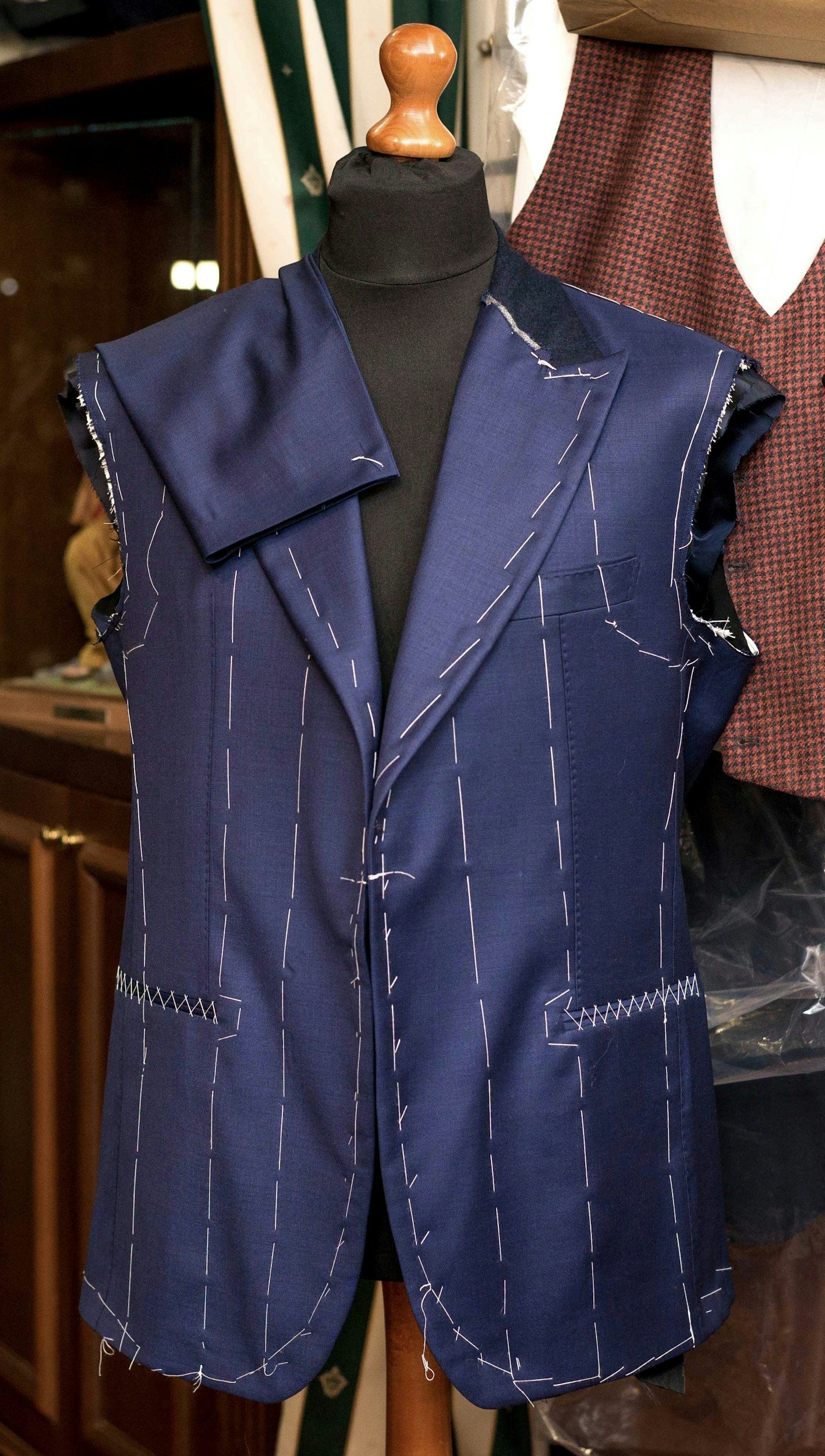
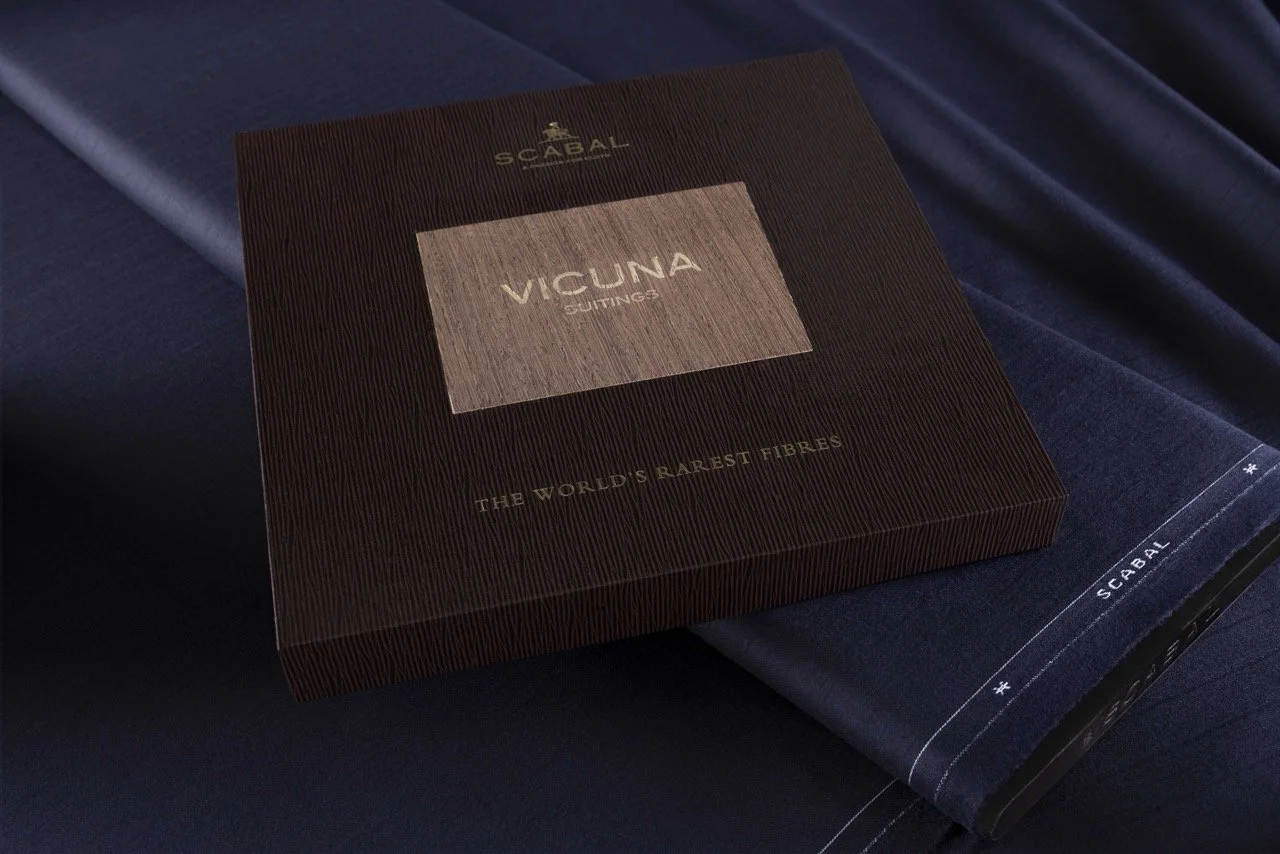
The step up from basic suiting to custom is not just about measurements; it is also about the materials and internal build of the garment. High‑quality wool, mohair, and other natural fibers drape more cleanly, breathe better, and age more gracefully than cheaper cloth. They resist shine, recover from wrinkles, and develop character rather than breaking down. Combined with a half‑canvas or full‑canvas construction, they allow the jacket to mold to your body over time instead of collapsing or bubbling.
By contrast, heavy use of synthetic materials in suiting tends to create garments that feel clammy, hold heat, attract static, and develop an artificial sheen as they wear. These fabrics often pill, lose their shape more quickly, and can look tired or overly reflective under office lighting or cameras. Upgrading to custom gives you the chance to choose natural fibers that perform with you, not against you, and that support a more sustainable, long‑term wardrobe.
Personal brand and consistency
At a certain point in your career, people recognize you before you speak. Your clothing becomes part of your personal brand in the same way your communication style and work product do. Custom suits allow you to create a consistent visual signature: the same clean silhouette, harmonious colors, and subtle details appearing across different contexts. Over time, colleagues and clients begin to associate that look with reliability, clarity, and professionalism.
That consistency is hard to achieve if your suits come from different brands and eras, each with its own lapel shapes, shoulder builds, and proportions. With custom, you lock in a house style that suits your body and your aspirations. Whether you are dressing for a major presentation, a diplomatic reception, or an important interview, you know exactly how you will look and feel.
When you are ready for custom in Washington, DC
If any of this feels familiar, you are likely already at (or past) the point where custom suits make sense. Perhaps you are stepping into a new role, returning to civilian life, or simply tired of settling for “almost right.” That is the moment to move from experimenting on store racks to working directly with a Washington DC clothier who designs around you.
In the DC area, I can meet you at your home or office to walk you through fabrics, cuts, and details for both men’s and women’s custom suits. Together, we build garments that reflect who you are now and where you are going next, so your wardrobe stops feeling like a limitation and starts working as a tool.