
How to Dress on TV in Washington, DC
Whether you’re an anchor, reporter, featured guest, or even a man on the street, the image you portray on television is the first impression viewers get of you. Even if you’re a top expert in your field, viewers can write you off if they don’t like what they see.
In this guide, I’ll go over the likely scenarios you might be appearing on tv in DC and how to best dress for that segment.
Moiré in this context is the result of a fabric’s texture interfering with the perfectly vertical and horizontal pixel structure of a TV camera. Fabrics like sharkskin or fabrics with tight checks are prone to this distracting look.
Dress for the Camera
On camera, viewers see color, fit, and overall style first, then your words. Clothing that looks fine in person can be distracting on screen. The goal is simple but memorable: clear lines, controlled contrast, and no competing patterns so the viewer’s eye stays on your face. I’ll cover this below, but there are some patterns that look insane on camera. There’s a thing called Moiré that is very distracting on camera.
Suits and Jackets
For DC attorneys and lobbyists, a tailored suit or jacket is still the cleanest way to look like a true professional on TV.
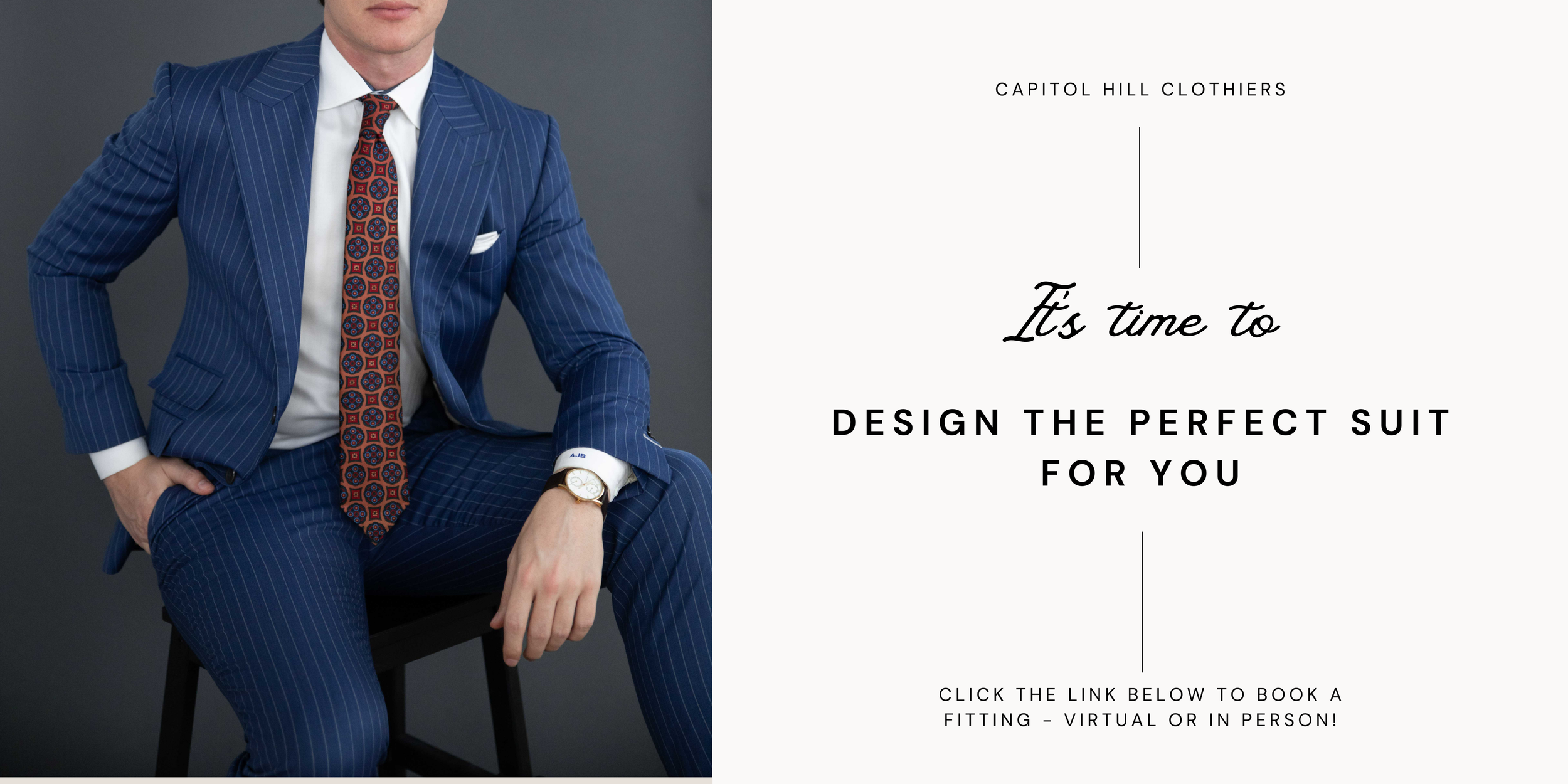
Choose solid or very subtle textures in navy, charcoal, or deep blue rather than high‑contrast stripes. Fine pinstripes can create that moiré effect on camera and bold checks can dominate the frame.
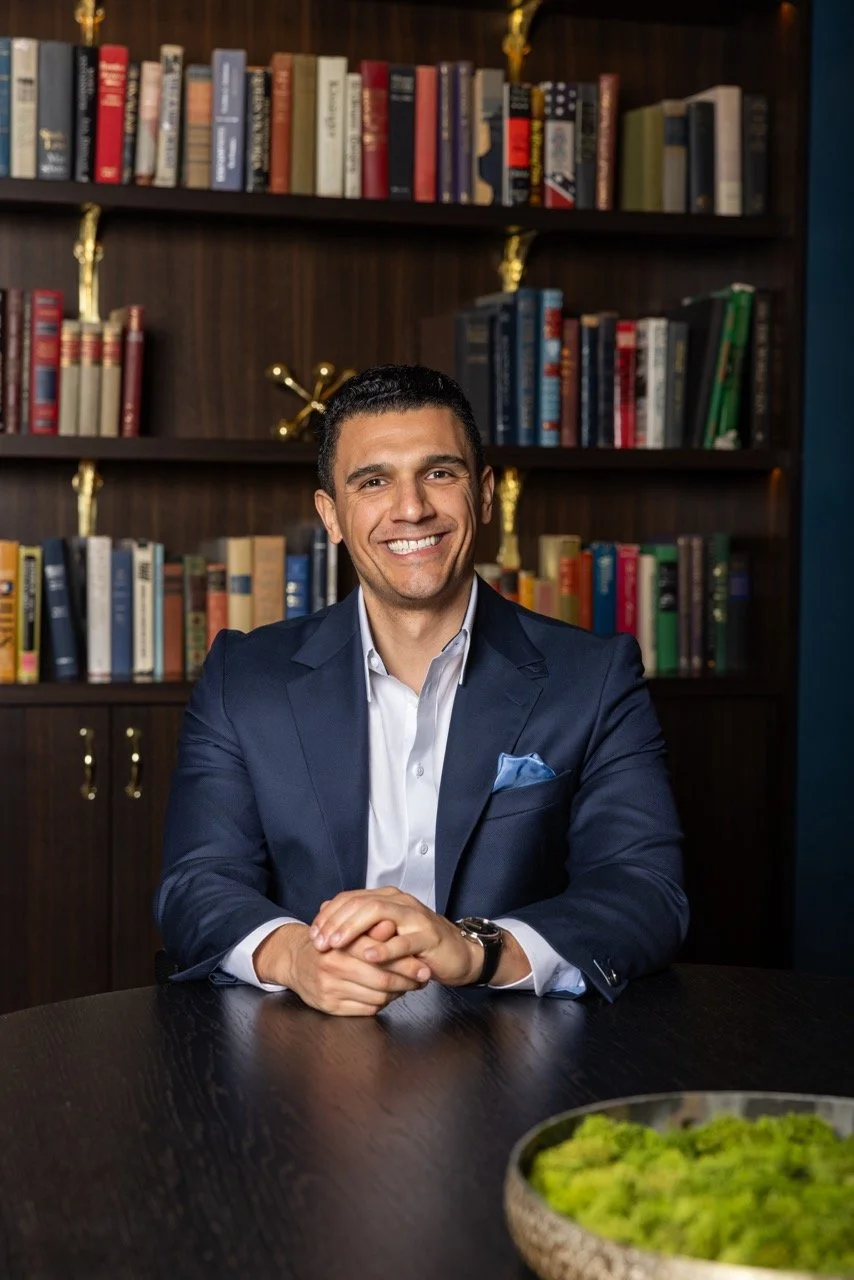
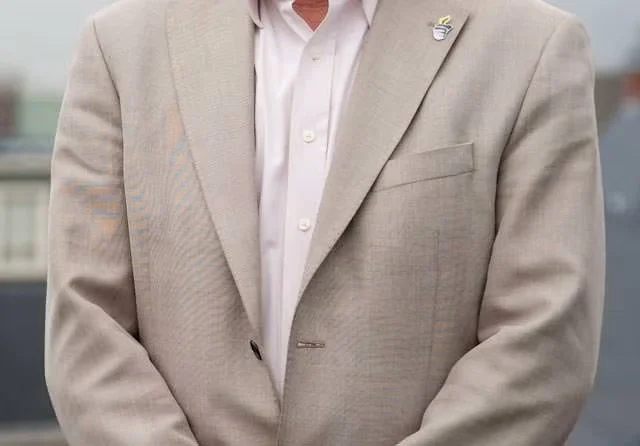
Fit matters more on TV than almost anywhere else, because the camera crops tightly at the chest and shoulders.
You want a smooth line across the shoulders, no pulling at the button, and a clean sleeve that breaks at the wrist without bunching.
As a custom clothier at Capitol Hill Clothiers, I use TV appearances as a specific design filter when I build custom suits for clients. I pay attention to lapel width that balances face shape, a button stance that flatters posture when seated, and fabrics that read rich and clean under studio lighting rather than shiny or flat.
Shirts, Ties, and Tops
For TV, the best custom suit fabrics are matte, structured, and visually quiet so the viewer focuses on your face instead of glare or flicker. A midweight worsted wool with a matte finish is ideal because it does not reflect studio lights and maintains a smooth, even surface on camera. Subtle textured wools, such as tweed, gabardine, or softly brushed woollens, add a sense of richness without shine and hold their shape well in the frame. Wool‑rich blends can also work, especially those with a small amount of synthetic fiber for wrinkle resistance, as long as the surface stays matte; very high polyester content tends to look overly reflective and inexpensive under bright lights.
When it comes to weaves and finishes, look for worsted wool in a non‑satin, slightly open weave that appears smooth but not glossy, and consider flannel or lightly brushed finishes in cooler seasons because they absorb light and soften harsh highlights. Structured cloths like gabardine help the suit drape cleanly and resist rumpling during a long segment, which keeps your silhouette sharp on screen. By contrast, high‑sheen finishes, superfine worsteds with a glossy surface, silk blends, satin textures, and very smooth synthetics tend to bounce light, show every crease, and can develop permanent shine from pressing, all of which are exaggerated on camera.
Patterns require special care because cameras struggle with very fine detail. Solids or extremely low‑contrast patterns are safest, since fine pinstripes, tight checks, and strong micro‑patterns can create the aforementioned moiré, a shimmering or vibrating effect that distracts from what you are saying. If you want visual interest, get it from subtle texture in the weave or from a soft, larger‑scale pattern that the camera can resolve easily, rather than dense, tiny repeats. Color and weight also matter. Deep navy, charcoal, and muted mid‑tones usually perform better than pure black, which can look flat and absorb too much light, while neon or very bright colors may “bleed” and distort skin tone on screen. A true four‑season or slightly heavier suiting weight typically sits cleaner and wrinkles less than very thin cloth, which can crumple and telegraph every movement. For a custom suit built specifically for TV, it is smart to request a matte worsted wool in solid navy or charcoal with no sheen and minimal pattern, then rely on shirts and ties to introduce variation while the suit fabric itself quietly supports a polished, on‑camera presence.
For men in suits, a white or soft blue shirt is almost always safest. High‑contrast checks or tight micro‑patterns can cause moiré on screen and make the shirt look busy.
If you are not wearing a tie, choose a shirt with a structured collar so it does not collapse under the jacket on camera.
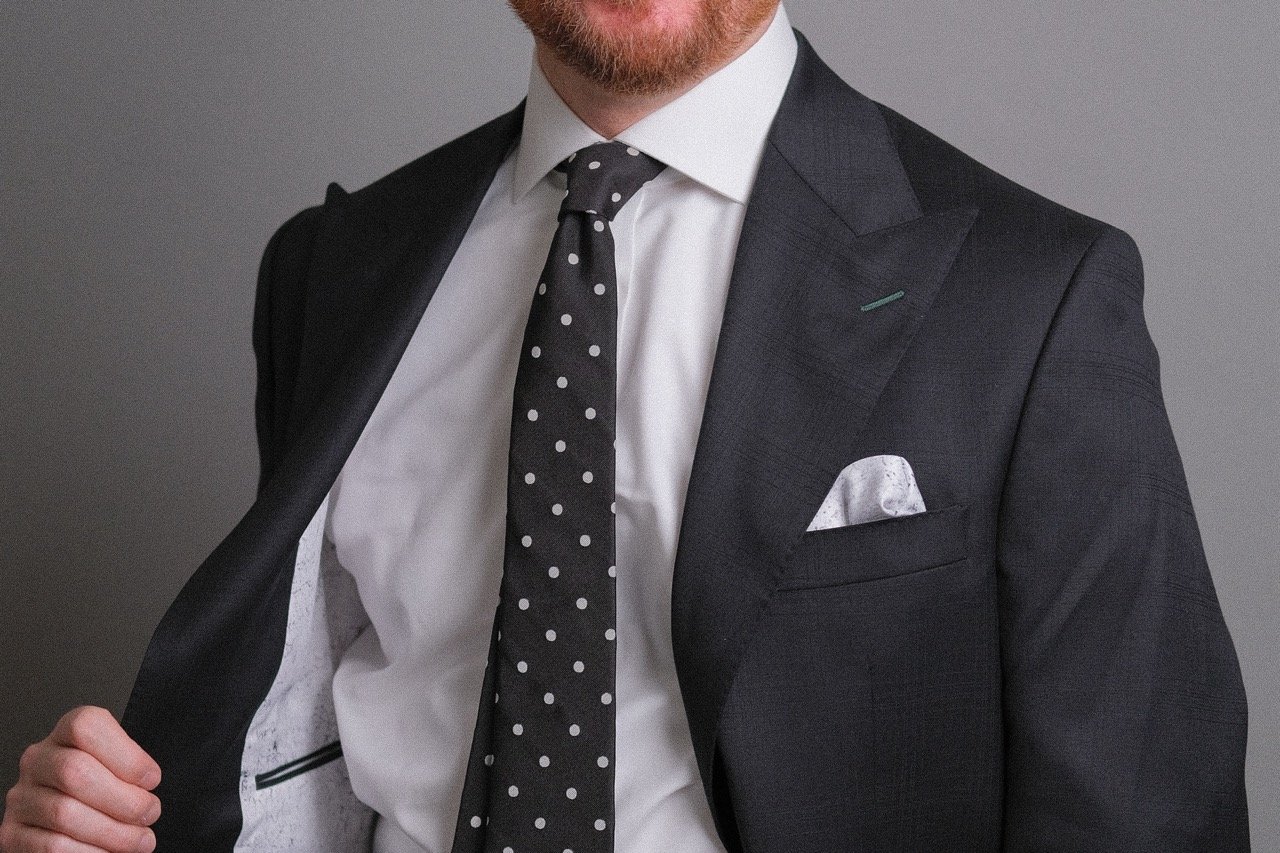
Ties should be simple, with a clear block of color or a larger, calm pattern. Tiny dots, tight stripes, or very loud novelty prints can buzzing or distraction once the image is compressed.
Think in terms of one focal point. If the tie has color, keep the pocket square subtle, or skip it entirely for news and policy segments.
When I design custom shirts to pair with our custom suits at Capitol Hill Clothiers, I often recommend a small rotation of “TV safe” shirts and ties. These cover court interviews, policy commentary, and high‑stakes panels without having to overthink combinations the morning of a hit.
Color, Contrast, and Split Screen Presence
Most DC TV appearances involve split screens and busy lower thirds. You want enough contrast between your clothing and your skin tone to avoid looking washed out, but not so much that your outfit feels louder than your message.
Deep navy, charcoal, and muted jewel tones usually read better than pure black, which can cause the face to float and emphasize under‑eye shadows.
If you have lighter skin, very pale suits can blend into studio backgrounds. A stronger suit color with a lighter shirt will keep your face as the natural focal point.
If you have deeper skin, overly dark sets of suit, shirt, and tie together can look heavy. Adding a slightly brighter shirt or a clean, saturated tie helps your features register clearly.
Grooming, Posture, and the “Frame Within the Frame”
The camera sees from mid‑torso up, so everything in that frame has to be intentional. Ensure your jacket closes cleanly when seated, your tie knot fills the collar, and your pocket square is proper. Keep jewelry minimal and quiet. Watches should not flash aggressively when you gesture, and cufflinks should not be the brightest thing in the shot.
Posture is part of your outfit. A beautifully cut custom suit loses power if you are slouching. Sit slightly forward in the chair, feet grounded, shoulders relaxed but upright, and let the suit’s structure support you. For DC attorneys and lobbyists, this posture reads as “prepared and in command,” which is exactly what producers and viewers expect from a subject‑matter expert.
What to Avoid on Camera
Very shiny fabrics that catch every light and create hot spots
Loud checks, plaids, or high‑contrast stripes that dominate the frame
Novelty ties or visible logos that pull focus from your message
Jackets that strain at the button when seated, or sleeves that ride halfway up the forearm
Pocket clutter and bulky phones that distort the line of the suit
If you rely on custom tailoring, use that advantage. Ask your clothier to cut at least one suit specifically with TV in mind, with clean lines, minimal fuss, and fabrics tested under bright light. At Capitol Hill Clothiers, I often design a “media suit” for clients who appear regularly on cable news or streaming platforms, so they can step into wardrobe that already knows how to behave on camera.
Whether you are a trial attorney breaking down a case, a lobbyist explaining policy, or a founder talking through a new fund, the right on‑camera wardrobe works quietly in your favor. It lets your expertise carry the segment while your clothes reinforce the story you are there to tell.