

The Comprehensive Guide to Custom Jeans
Custom jeans are one of the easiest ways to upgrade how you look and feel every day. They solve the most common denim problems at the source, giving you a fit that works with your body instead of forcing your body to adapt to a generic pattern.
For both men and women, the value of custom jeans is simple: better fit, better comfort, better proportions, and a cleaner overall look. Once you wear jeans made for your waist, hips, thighs, rise, and preferred silhouette, it’s hard to go back.

“Why would I have custom jeans made?”
Off-the-rack jeans are made to fit broad size categories, which is great if you’re the one person the brand used as a fit model, but bad news for the rest of us. Ready to wear jeans often fit one part of you and fail everywhere else, whether that is a waistband that gaps, thighs that feel restrictive, or legs that drown in excess fabric.
Custom jeans remove that compromise. They are drafted to your measurements and shaped around the way you move, sit, walk, and stand. That means you get jeans that fit at every seam and can be used for the exact circumstances for which you need them (solid indigo straight-leg for business casual, stone-washed barrel-leg for the fashion-forward).
For men, custom denim is especially helpful if you have an athletic build, a smaller waist with larger thighs, a long torso, or proportions that make standard jeans feel off. For women, custom jeans are often the answer when jeans fit the hips but gap at the waist, fit the waist but pull at the thighs, or never quite get the rise right.
Understanding denim construction
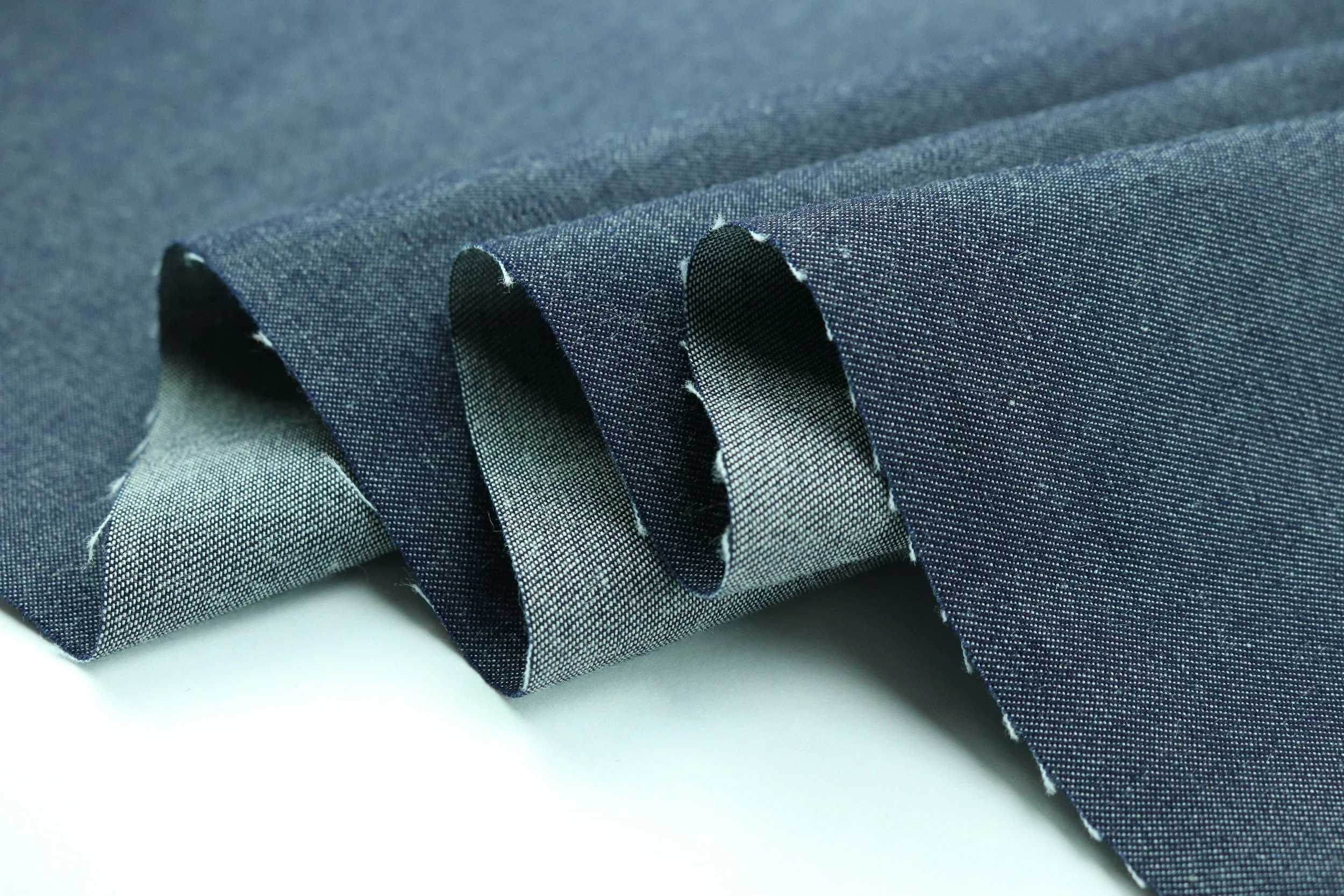
Before you choose your custom jeans, it helps to understand what denim actually is. Denim is a woven cotton fabric, usually built in a twill weave, which gives it strength, texture, and the ability to age beautifully over time.
Raw denim, rinsed denim, stretch denim, and lightweight summer denim all behave differently. Raw denim is untreated and develops wear patterns unique to you. Rinsed denim is softened and more immediately wearable. Lightweight denim is better for warm weather, while heavier denim holds its shape longer and often feels more substantial.
The weave, weight, and finish all matter because they change how the jeans drape, break in, and recover. A good custom jean starts with the right denim for your lifestyle, not just your preferred color.
Choosing the right rise
The rise is one of the most important elements of jean fit. It determines where the waistband sits relative to your torso and has a major impact on comfort, appearance, and mobility.
A low rise can look trendy, but it often causes problems when you sit, bend, or move around during the day. A mid rise is usually the safest and most versatile option for most people. A higher rise can be especially comfortable for those who sit at a desk for long periods or want a cleaner line through the torso.
For men, rise affects whether the jeans support the body or cut across it awkwardly. For women, rise also affects whether the waistband sits flush at the natural waist or slides down into the hips. Custom jeans let you place that rise exactly where it belongs for your body, which is often the difference between jeans that kinda fit and jeans that truly work.
Waist, hips, and seat
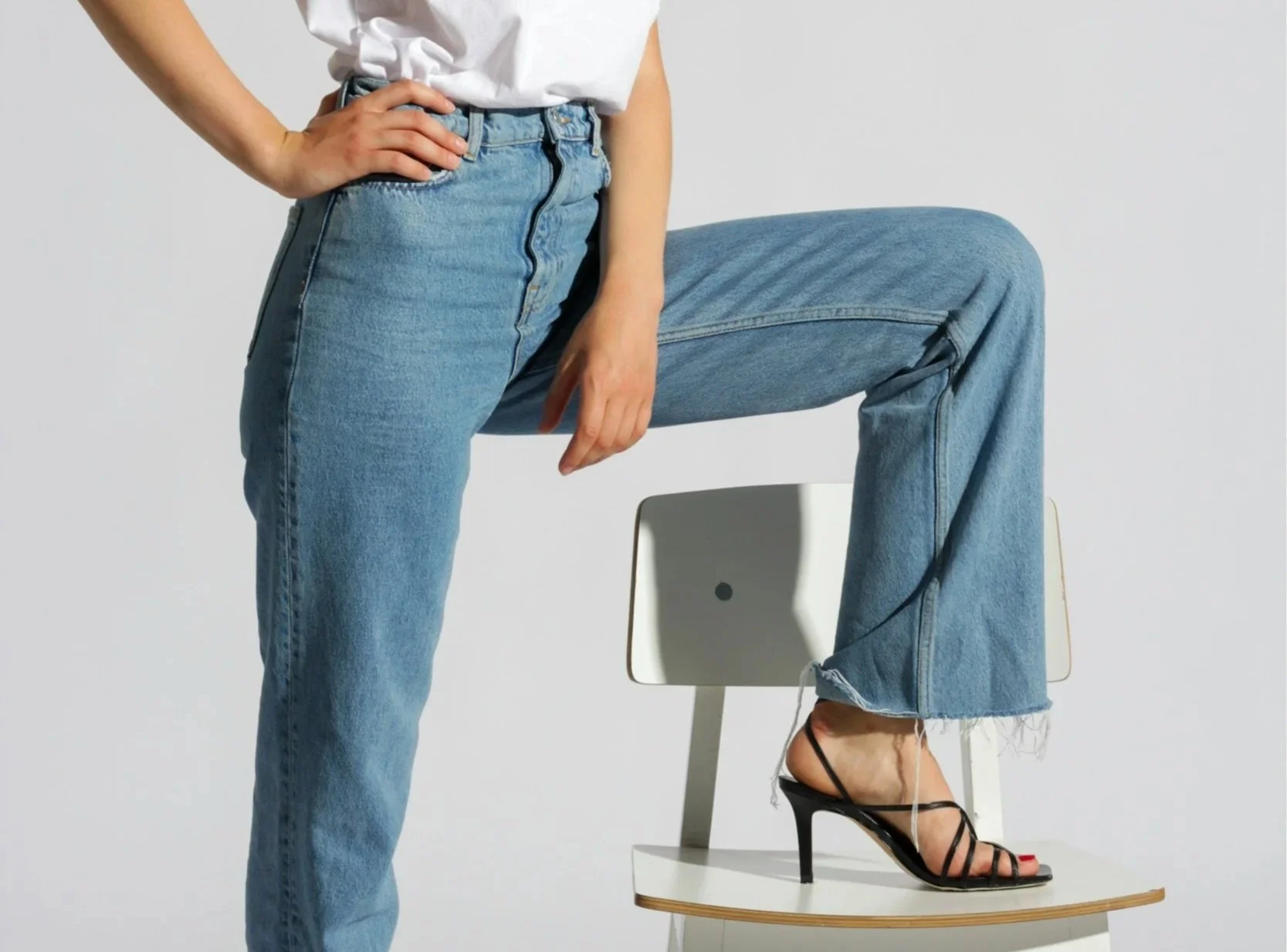
The waist, hips, and seat are where denim usually fails most dramatically. A pair of jeans can feel close in the fitting room and still become uncomfortable after two hours of wear if these areas are not balanced correctly.
For men, a common issue is a waist that fits but thighs that do not, or a seat that feels too tight and pulls when sitting. For women, the more common issue is a waistband that gaps in back because the jeans were drafted for straighter proportions than the body actually has. Custom jeans solve this by matching your waist-to-hip relationship more accurately.
The best custom jeans should sit smoothly at the waist, contour the seat without straining, and stay in place throughout the day. You should not need a belt purely as a rescue device. A belt can be a style choice, but it should not be the thing holding your jeans together.
Thighs, knees, and taper
Thigh fit is one of the biggest reasons people move to custom denim. Athletes, cyclists, lifters, and anyone with a developed lower body often find that standard jeans are either too tight in the thigh or too loose at the waist.
A custom jean can give you the exact amount of room you need through the thigh and knee before narrowing into the hem. That taper matters because it keeps the silhouette clean and modern without restricting movement. If the taper is too aggressive, the jeans can feel tight at the calf or ankle. If it is too relaxed, the jeans can look baggy and lose shape.
Knee placement matters too. The knee of the jean should line up with your actual knee joint so the leg hangs naturally. If the knee is too low, the jeans can look sloppy. If it is too high, the jeans can look short or oddly cropped. Custom allows that balance to be adjusted precisely.
Silhouettes for different body types
Different bodies benefit from different jean silhouettes, and custom makes that much easier to achieve.
Athletic builds usually look best in a jean with room in the thigh and seat, then a controlled taper below the knee. This avoids the classic problem of jeans that fit the waist but feel too tight everywhere else. A straight or slightly tapered fit usually works well.
For leaner or taller frames, a straight leg or moderate taper often gives the most balanced look. Very skinny jeans can make the legs look narrow and elongate the body in a way that feels exaggerated. A cleaner straight line creates more versatility and looks good with boots, loafers, sneakers, or blazers.
For women with curves, custom jeans can accommodate fuller hips, thighs, and glutes while shaping the waist so the jeans do not gap. This is one of the clearest benefits of custom denim, because it removes the constant tradeoff between comfort and fit. For shorter frames, a slightly more streamlined leg with the right hem length can also make the body look longer and more balanced.
How lifestyle affects jean fit
Your lifestyle should influence your jean fit as much as your measurements. Jeans for a person who sits in meetings all day should not fit the same way as jeans for someone who is constantly on the move.
If you spend most of your day at a desk, a higher rise and enough room through the seat and thigh can make a huge difference in comfort. If you travel often, denim with enough structure to hold its shape but enough flexibility to move with you becomes especially useful. If you want jeans that can work in business-casual environments, the silhouette should be refined enough to pair with a blazer or dress shirt without looking too rugged.
For weekends and casual wear, you may want a slightly more relaxed feel. For office casual, you may want a cleaner line and a darker wash. Custom jeans allow you to make these decisions intentionally instead of settling for whatever happened to be on the rack.

The best denim weights and washes
Denim weight affects how the jeans feel and how they age. Heavier denim is usually more durable and holds its shape better, while lighter denim is easier to wear in warm weather and often feels softer right away.
For year-round wear, a medium-weight denim is often the most versatile. It gives you structure without being too heavy. For summer, lighter denim or softened rinsed denim can be more comfortable. For people who want jeans that mold to the body over time and age beautifully, raw denim can be a strong choice if they are willing to break it in.
Wash is also important. Dark indigo is the most versatile and can read almost dressy in the right setting. Medium washes feel more casual, and lighter washes lean relaxed. If you want jeans that can work with a blazer, a darker, cleaner wash usually gives you more flexibility.
Custom denim details
Why go custom if you’re not also planning to make them yours visually?
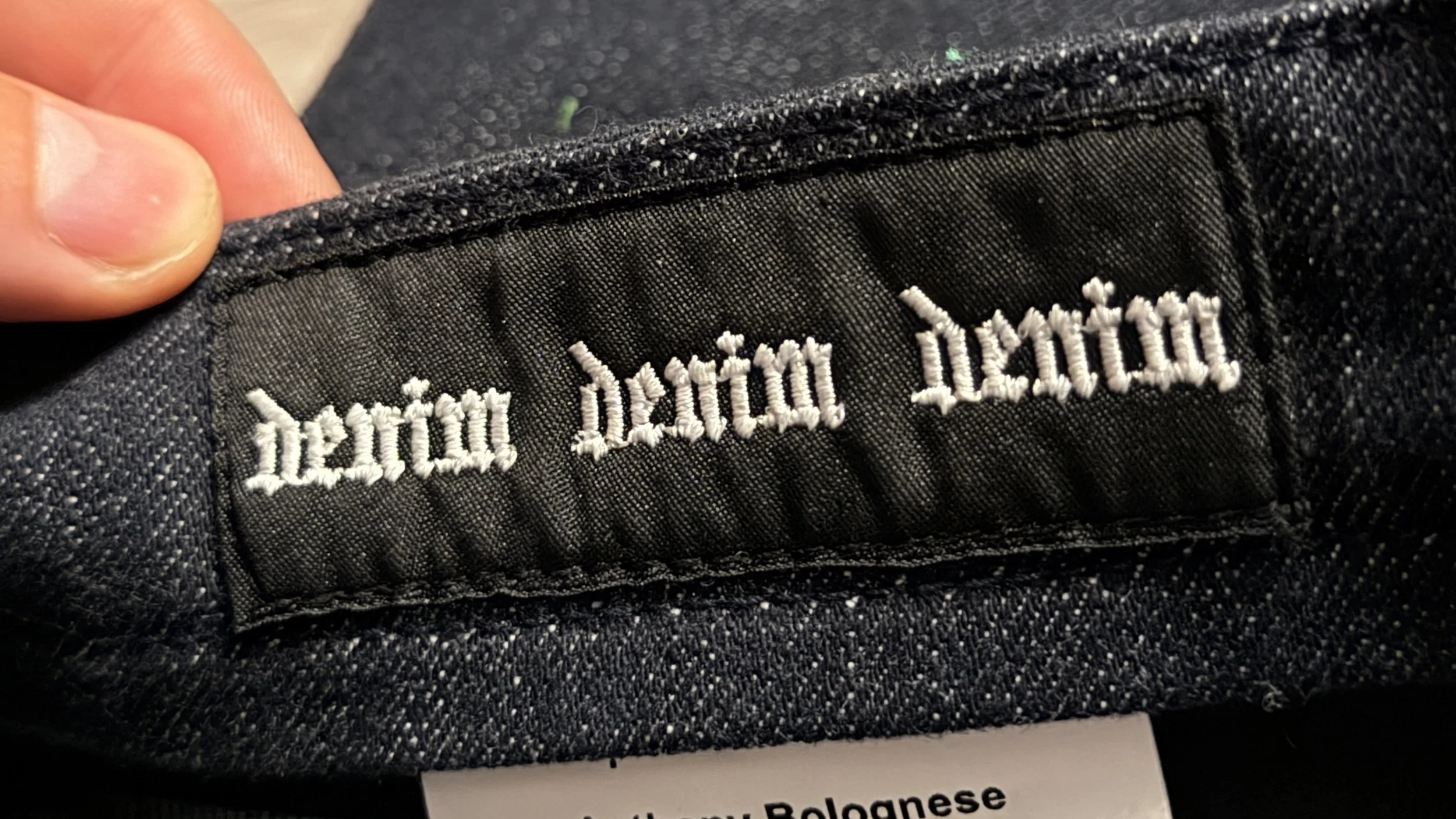
Pocket placement affects how the rear looks and whether the silhouette is flattering. Stitching color can make the jeans feel more classic or more distinctive. The width of the hem changes how the jeans sit over shoes. Even the shape of the yoke in back can change how the seat looks from behind.
These are the kinds of details that are hard to control in ready-made denim but easy to refine in a custom process. That is why custom jeans often feel more polished even when they are worn casually. They are not shouting for attention. They simply fit better.
When custom jeans are worth it
Custom jeans are worth it when the jeans you keep buying are always almost right but never quite right. If the waist gaps, the thighs pull, the rise feels wrong, or the hem never lands exactly where you want it, custom denim is usually the fix.
They are also worth it when your lifestyle depends on clothes that can move between different settings. One great pair of jeans can carry you from casual workdays to dinner, travel, and weekend wear if the fit and wash are right. For people who want fewer but better pieces, custom denim makes a lot of sense.
If you care about how clothing fits your body and how it supports your day, custom jeans are a practical improvement that pays off every time you wear them.
The best jeans fit your life, your proportions, and the way you actually move through the day. That is what custom denim does best.
At Capitol Hill Clothiers, I help clients design custom jeans that balance comfort, structure, and style for both men and women. If you want denim that finally fits the way it should, custom is the simplest way to get there.

Don’t worry, we do jeans too!