

You don’t need to become a tailor to buy a great custom suit. But understanding a few fundamentals can make the process considerably more productive.
Knowing why you prefer a particular shoulder, how jacket proportions affect the overall silhouette, or what separates an interesting fabric from a practical one helps you make decisions with a purpose. Instead of asking for a suit that looks “modern” or “expensive,” you can explain what you want it to do and how you want it to feel.
Books are a useful place to build that understanding. They let you compare different approaches to tailoring, study details at your own pace, and develop preferences before sitting down with a cloth book.
My recommendations cover several different questions: How should a suit look? What happens during a custom commission? What makes one tailoring style different from another? And what actually goes into constructing the garment?
Not every book answers all of those questions. The best starting point depends on what you want to learn.
1. Dressing the Man: Mastering the Art of Permanent Fashion by Alan Flusser
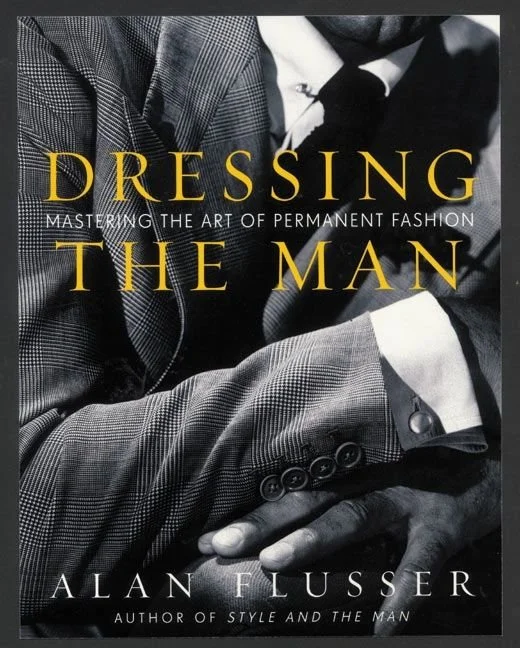
Best for understanding proportion, color, and coordination
If you are interested in custom suits but do not yet understand why certain outfits look balanced and others do not, this is where I would start.
Flusser’s book is a broad guide to classic menswear rather than a manual devoted exclusively to custom tailoring. Its particular value is the attention it gives to proportion, color, pattern, and the relationship between the different parts of an outfit. Photographs and illustrations help explain those principles visually.
That foundation matters because custom clothing presents you with choices. Being able to select a lapel width, shirt collar, or pattern does not necessarily mean you know which option will work best.
The lesson I would encourage readers to take from this book is to evaluate the whole outfit rather than collect attractive details independently.
A jacket does not exist in isolation. Its proportions need to work with your body, your trousers, your shirt, and the level of formality you want.
How to use it before a fitting
Find a few examples that appeal to you, then identify the reason.
Is it the jacket’s length? The relationship between the shoulders and waist? The restrained colors? The way the shirt collar frames the face?
“I like the balanced proportions in this photograph” is a more useful starting point than “I want the same suit.”
Read the book for principles rather than treating every illustrated outfit as a template you need to reproduce.
2. Bespoke Menswear: Tailoring for Gentlemen by Bernhard Roetzel
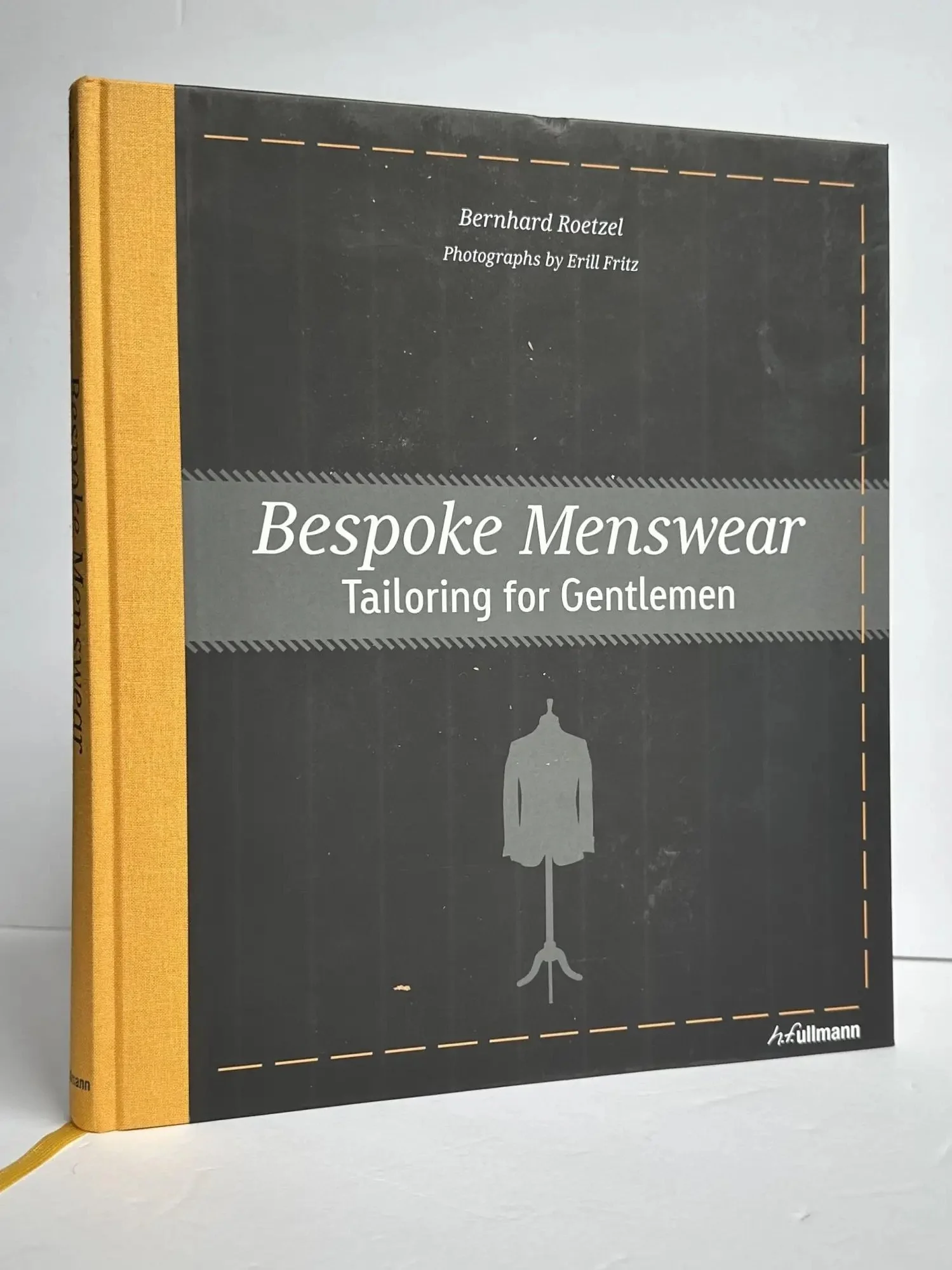
Best for understanding the commission process
For someone preparing to order a custom suit, Roetzel’s book provides a useful introduction to what happens between choosing a fabric and receiving the finished garment.
It follows the bespoke process through fabric selection, pattern cutting, fittings, and completion, while introducing tailoring houses and different approaches to style. It also extends beyond suits into other bespoke wardrobe categories.
That makes it particularly relevant if your main question is not simply what to wear, but what to expect.
What I would take from it
Pay attention to the sequence of decisions.
The fabric, pattern, cut, and fittings are related. Choosing the cloth is not a separate exercise from deciding what sort of garment you need, and the fitting is not merely a final opportunity to shorten the sleeves.
Use the book to prepare questions such as:
What pattern process will be used for my garment?
Which measurements and posture observations will inform the fit?
What will happen at each fitting?
Which adjustments are included?
How will the fabric support the silhouette I want?
One important caution: a book about traditional bespoke tailoring should not be treated as a promise about every service described as “custom.” Ask the person making or supplying your suit to explain their actual process rather than assuming it follows the book exactly.
3. Bespoke Style by Simon Crompton
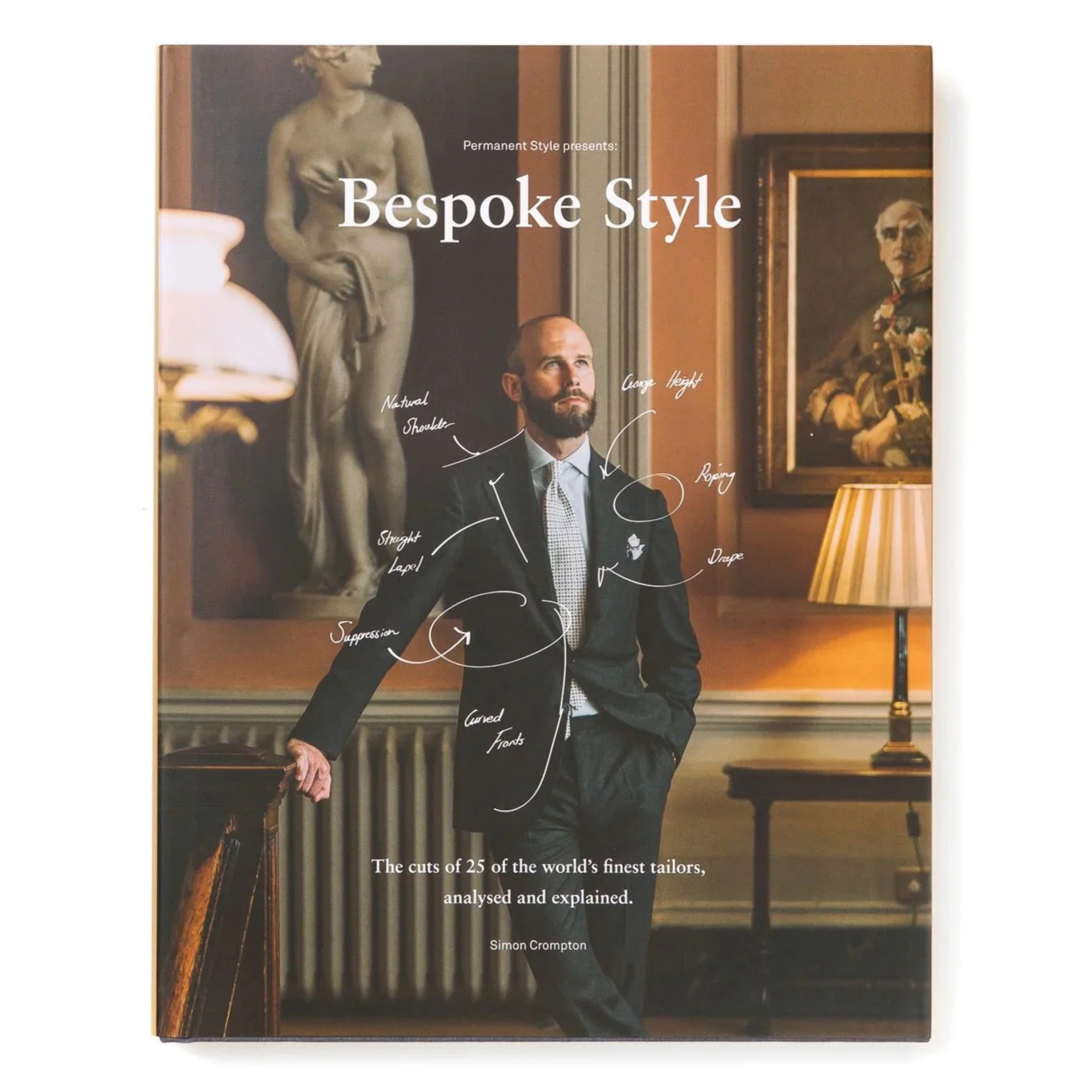
Best for learning to see differences in cut
Two navy suits can have very different personalities without either one using an unusual fabric or decorative detail.
If you want to understand those differences, Bespoke Style is a particularly relevant book. Crompton examines the cuts and styles of 25 tailoring houses, using carefully photographed garments and analysis of their structure and shape. Regional introductions provide additional context.
This is the book I would recommend to someone who knows that certain suits appeal to them but struggles to explain why.
What to study
Look at one feature at a time:
The shoulder line.
The shape and width of the lapels.
The amount of room through the chest.
The relationship between the waist and skirt of the jacket.
The overall balance between jacket and trousers.
You do not need to decide that one approach is universally superior. The useful exercise is learning to recognize your preferences.
For a Washington professional who wants to look polished without appearing conspicuous, this is especially relevant. You can develop a preference for a particular silhouette without relying on a bold check, a bright lining, or an unusual button treatment.
The cut itself can provide the character.
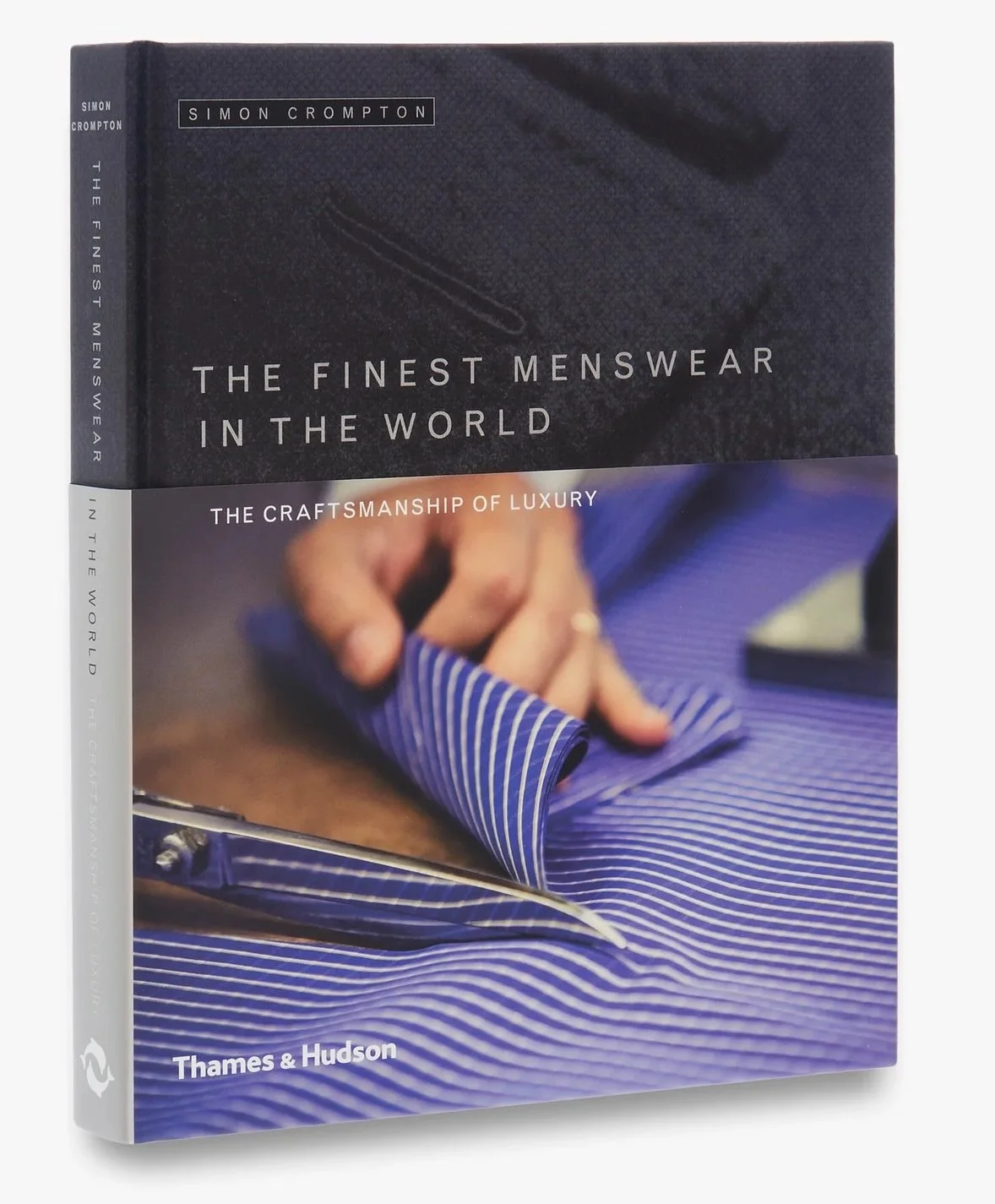
4. The Finest Menswear in the World: The Craftsmanship of Luxury by Simon Crompton
Best for understanding what you are paying for
This book is broader than custom suits, but it addresses an important question: what distinguishes an expensive product from a thoughtfully made one?
Crompton profiles 14 companies across menswear and accessories, examining materials, construction, specialist skills, and the details behind their products. The book includes tailoring alongside categories such as shirts, shoes, knitwear, and accessories.
Its value is not that it gives you a shopping list of prestigious names. It gives you a framework for asking more specific questions about quality.
How I would apply it to a suit purchase
When a feature is presented as an upgrade, ask what it contributes.
Does it change the feel of the garment? Its appearance? Its construction? Is it relevant to how often you will wear the suit and what you will do in it?
A feature can be impressive without being necessary for your wardrobe. Likewise, an understated garment can involve considerable skill without advertising that fact.
I would read this book to become a more informed buyer, not to conclude that every item you own needs to represent the highest possible level of craftsmanship.
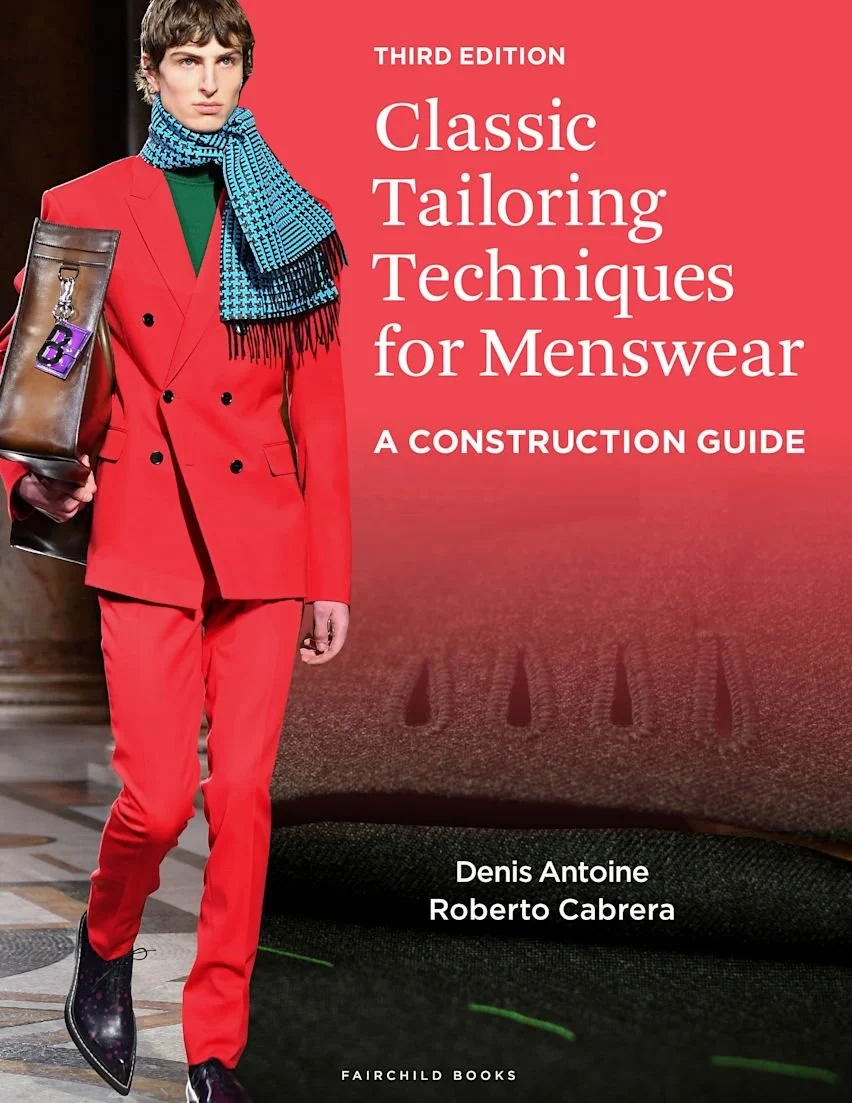
5. Classic Tailoring Techniques for Menswear: A Construction Guide by Roberto Cabrera and Denis Antoine
Best for understanding how a tailored garment is built
This is the most technical recommendation on the list.
Unlike a consumer style guide, Classic Tailoring Techniques for Menswear is a construction resource. It provides detailed, step-by-step instruction in traditional tailoring processes and is intended for readers developing practical garment-making skills. Editions differ, so check the edition and author information when purchasing.
You do not need to work through every exercise to gain something from it. But you should approach it expecting a textbook rather than a casual evening read.
Why a client might find it useful
Looking at construction can change the way you understand a finished suit.
It encourages you to think beyond the visible cloth and consider the work required to create shape, assemble the garment, and finish it properly.
I would recommend this book to someone who enjoys the technical side of clothing, wants to learn to sew tailored garments, or is curious about the work behind the fittings.
I would not make it the first purchase for someone who simply wants help selecting a versatile business suit. Start with proportion and process, then move into construction if your interest develops.
Which Book Should You Read First?
You do not need all five to make a thoughtful decision about a custom suit.
Choose according to the question you are trying to answer:
Your main questionStart withWhy do some suits and outfits look more balanced than others?Dressing the ManWhat should I understand before commissioning a garment?Bespoke: Menswear for GentlemenHow do different tailoring styles compare visually?Bespoke StyleWhat contributes to craftsmanship and price?The Finest Menswear in the WorldHow is a tailored garment constructed?Classic Tailoring Techniques for Menswear
For a first-time client, my suggested sequence would be proportion, process, and then style: understand the overall effect you want, learn how a commission works, and refine your preferences from there.
The technical construction book can come later. You do not need to know how to build a jacket to explain that you want more room through the chest or a less pronounced shoulder.
What About Women’s Custom Suits?
These recommendations are centered on menswear, and that limitation is worth acknowledging.
They can still help women develop an eye for proportion, fabric, construction, and the differences between tailoring styles. However, they are not substitutes for guidance specifically addressing women’s fit, pattern development, and wardrobe needs.
For women considering a custom suit, I would use the books to identify preferences rather than copy formulas.
You might like the restraint of a particular jacket, the shape of its lapel, or the relationship between a longer jacket and a fuller trouser. Those observations are useful. They should then be interpreted around your body, preferred silhouette, and working environment rather than transferred unchanged.
The same principle applies to men: a reference photograph is a conversation starter, not a pattern.
How to Turn What You Read Into a Better Commission
The most useful result of reading is not a longer list of tailoring terminology. It is a clearer brief.
Before your consultation, write down:
Where you will wear the suit.
How often you expect to wear it.
What bothers you about suits you already own.
Which silhouettes you prefer.
How much structure and formality you want.
What you need to do comfortably while wearing it.
Your budget and timing.
Then bring a small number of reference images with notes explaining what you like.
Be equally clear about what you do not want. “No shiny fabric, no very short jacket, and enough room to sit comfortably” can be more productive than a page of decorative specifications.
For attorneys, lobbyists, executives, and other Washington professionals, the brief may be straightforward: a conservative suit that fits cleanly, works across several professional settings, and does not require constant adjustment.
That is a legitimate custom commission. It does not need an unusual cloth or an elaborate design to justify the process.
Learn Enough to Ask Better Questions
My advice is to use these books to sharpen your judgment, not make the process intimidating.
You do not need to memorize regional tailoring traditions or arrive knowing every construction term. You should feel comfortable asking why a particular fabric, proportion, or method is being recommended and how it relates to your needs.
At Capitol Hill Clothiers, that is the conversation I would rather have: what you want the garment to do, what has not worked before, and which choices will make the finished suit useful to you.
The best reason to learn about custom suits is not to become impressed by more details. It is to become more confident about which details matter.