Suiting Fabric Textures: Explained
Suiting fabrics have their own language in their texture and finish. When you understand that language, you can choose suits that feel aligned with your style, your body, and your life, without needing to separate “men’s” and “women’s” tailoring at all. If you want to learn more about how suit fabrics are milled, check out this style guide.
Smooth Textures
These textures are classic, feel refined, and often read more formal, especially in darker colors and cleaner cuts.
Worsted twill
Twill describes the diagonal ribs you see when threads are woven in a stepped pattern, rather than straight over and under. It feels smooth in the hand, but with a gentle structure and lovely drape.
Use cases: Everyday suiting, interviews, courtrooms, presentations, any setting where you want polish without stiffness.
Formality: Medium to high, depending on weight and color.
Interesting features: The diagonal structure helps twill resist wrinkles and skim over the body, which is why it is such a workhorse for suiting.
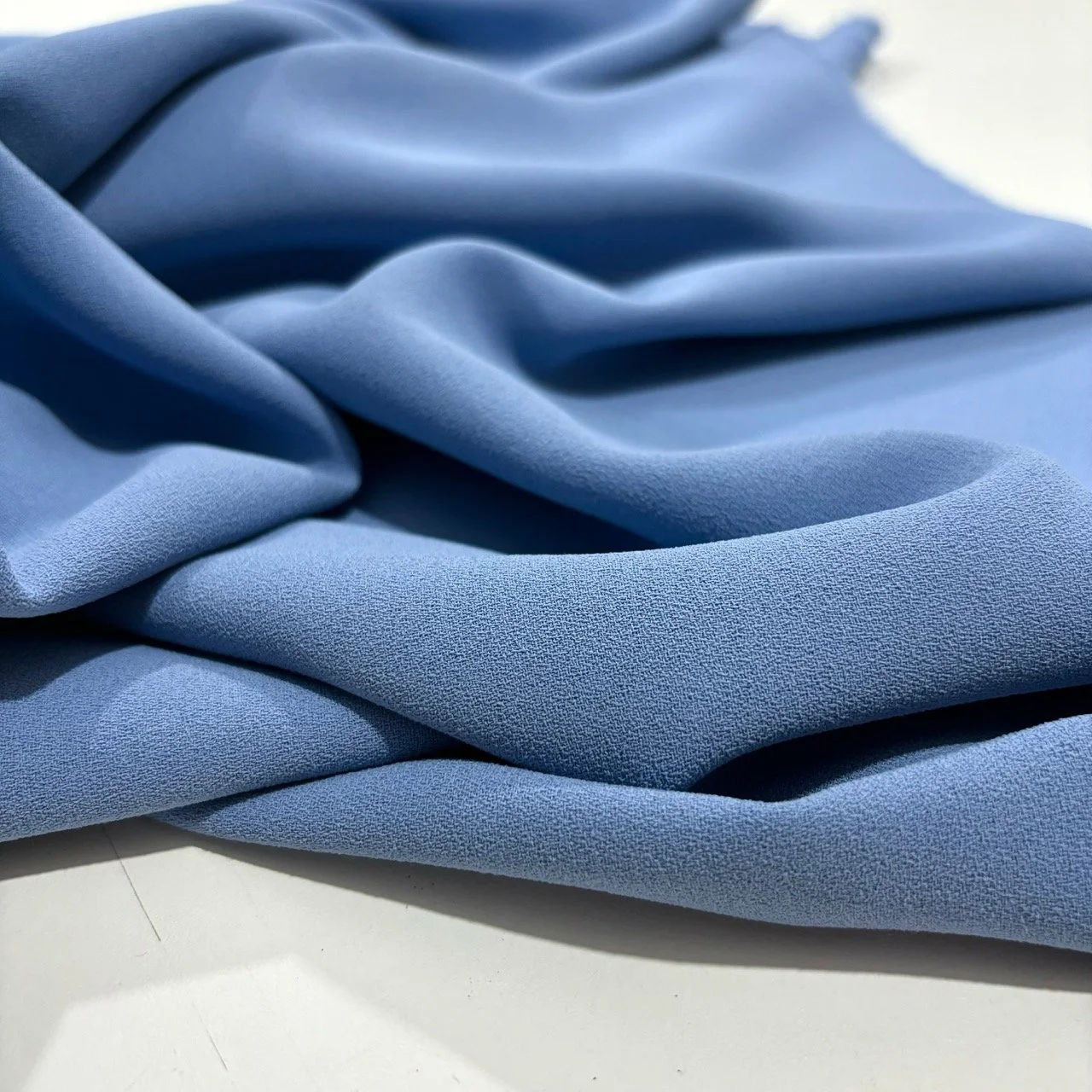
Crepe
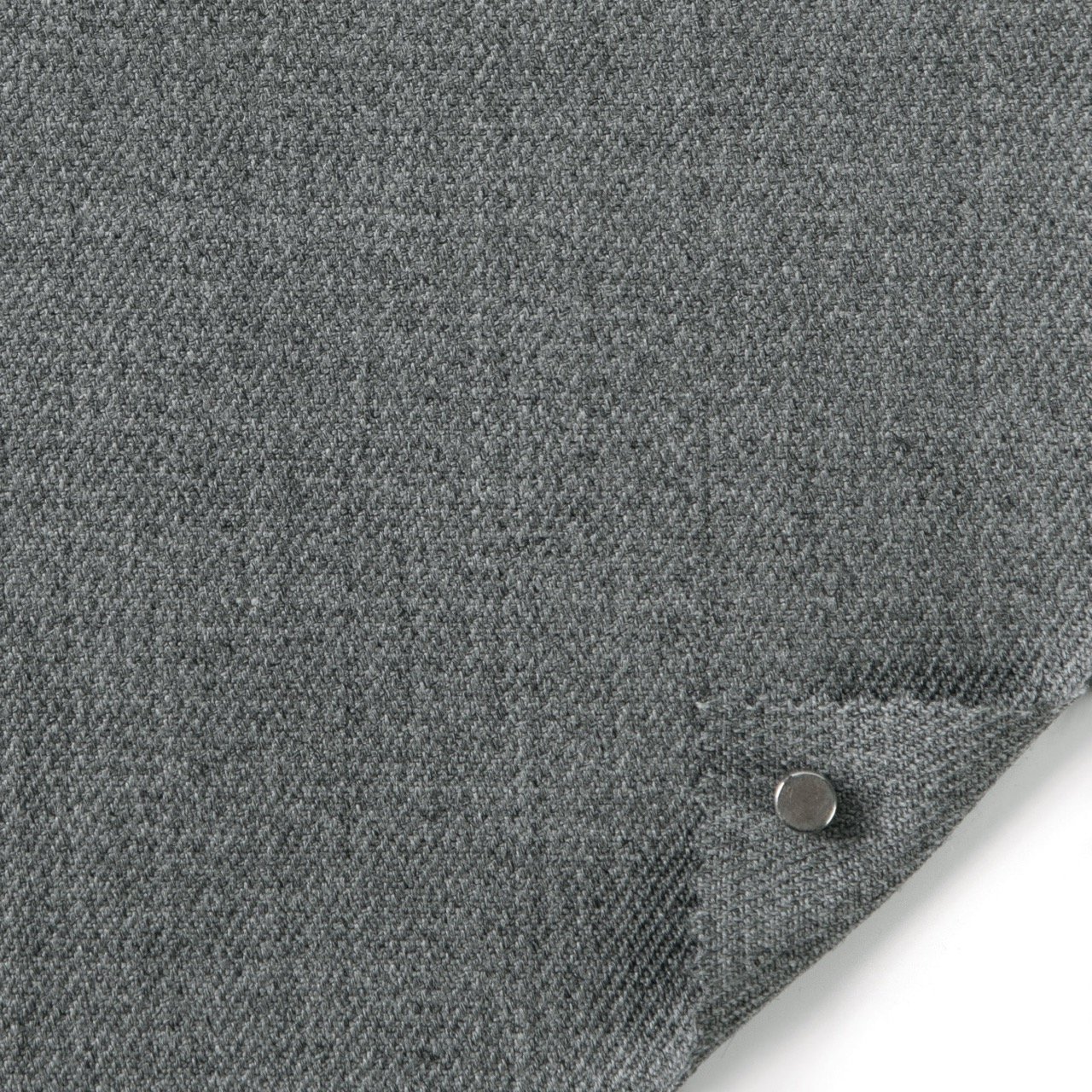
Crepe has a slightly crinkled, pebbly surface created by highly twisted yarns that relax and “bounce” during weaving or finishing. It looks matte and fluid rather than shiny.
Use cases: Softly tailored suits, fluid blazers, travel suiting, pieces that need movement and comfort while still looking intentional.
Formality: Medium; the texture softens the look enough for creative offices and day to night outfits.
Interesting features: Crepe hangs beautifully, glides over curves, and tends not to show minor creases as sharply, which makes it forgiving for long days.
Gabardine
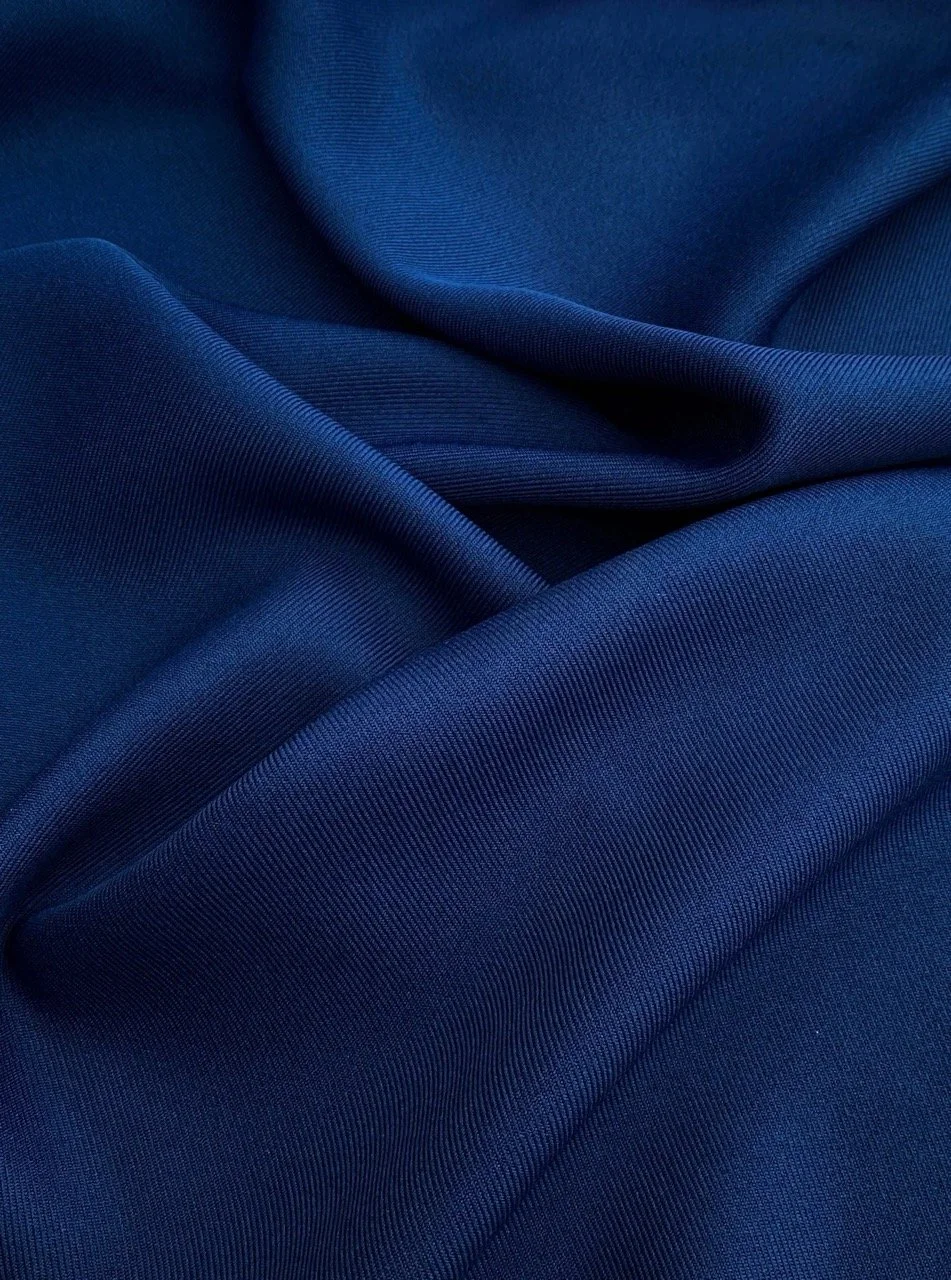
Gabardine is a tightly woven twill with a firm, smooth face and a subtle diagonal line. It often feels dense, slightly crisp, and very structured.
Use cases: Tailored suits that need sharp lines, trousers that must hold a crease, uniforms, outerwear inspired suiting.
Formality: Medium to high, especially in darker colors and classic cuts.
Interesting features: Because of its tight weave, gabardine is quite wind resistant and durable, which is why it has a long history in trench coats and military inspired tailoring.
Soft and Napped Textures
Napped fabrics have a raised surface that feels soft, fuzzy, or velvety to the touch. They naturally read warmer and a bit more relaxed, even in tailored shapes.
Flannel
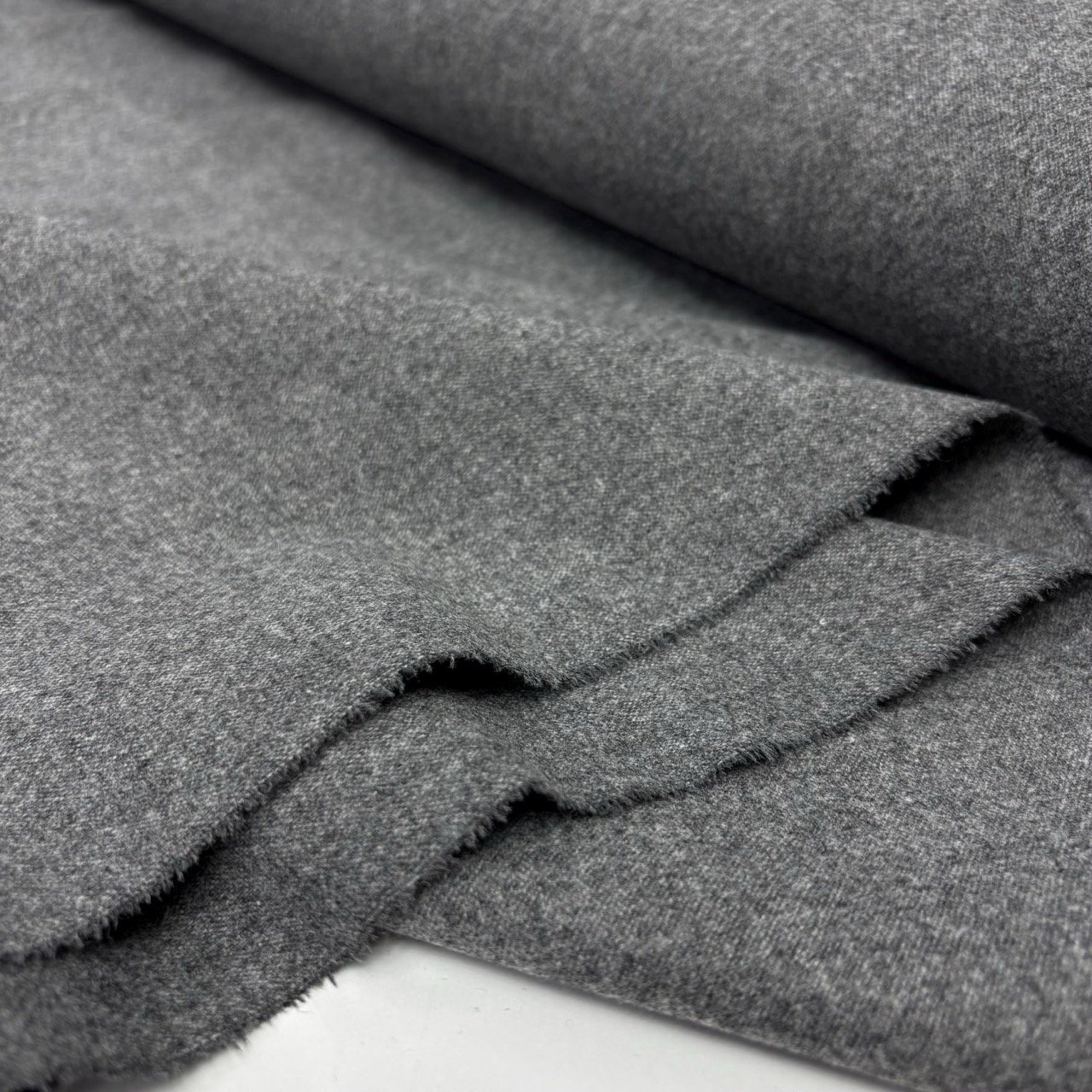
Flannel is usually a wool or wool blend that has been brushed to lift a fine nap, giving it a soft, matte finish. It feels cozy and gentle rather than crisp.
Use cases: Autumn and winter suits, office wear in cooler climates, separates like trousers and blazers that need warmth without bulk.
Formality: Medium; less sharp than a smooth worsted, but still office appropriate in subtle colors and classic silhouettes.
Interesting features: Under the brushed surface, flannel is often a twill, so you get a mix of drape, durability, and softness in one fabric.
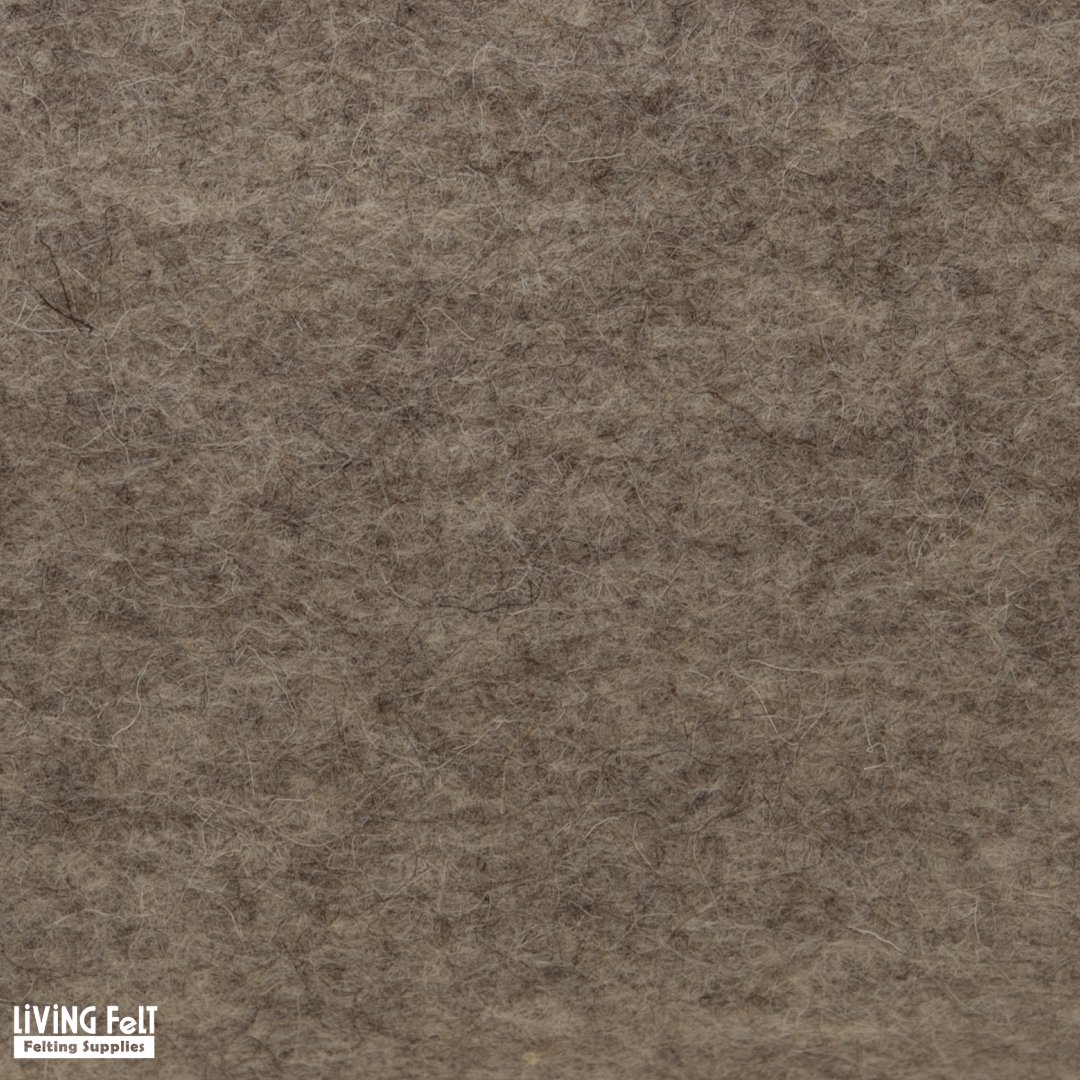
Milled or “felted” wool
Milled wools are fulled and slightly shrunken during finishing, which compacts the fibers and softens the surface. The result can feel dense, warm, and a little spongy.
Use cases: Winter suiting, softly structured jackets, overcoats that coordinate with suiting, unlined or minimal lining styles.
Formality: Low medium to medium; the rounded edges and rich surface feel more relaxed and tactile.
Interesting features: Because the weave is less visible, color often appears deeper and more uniform, giving these fabrics a quiet, luxurious presence.
Brushed finishes
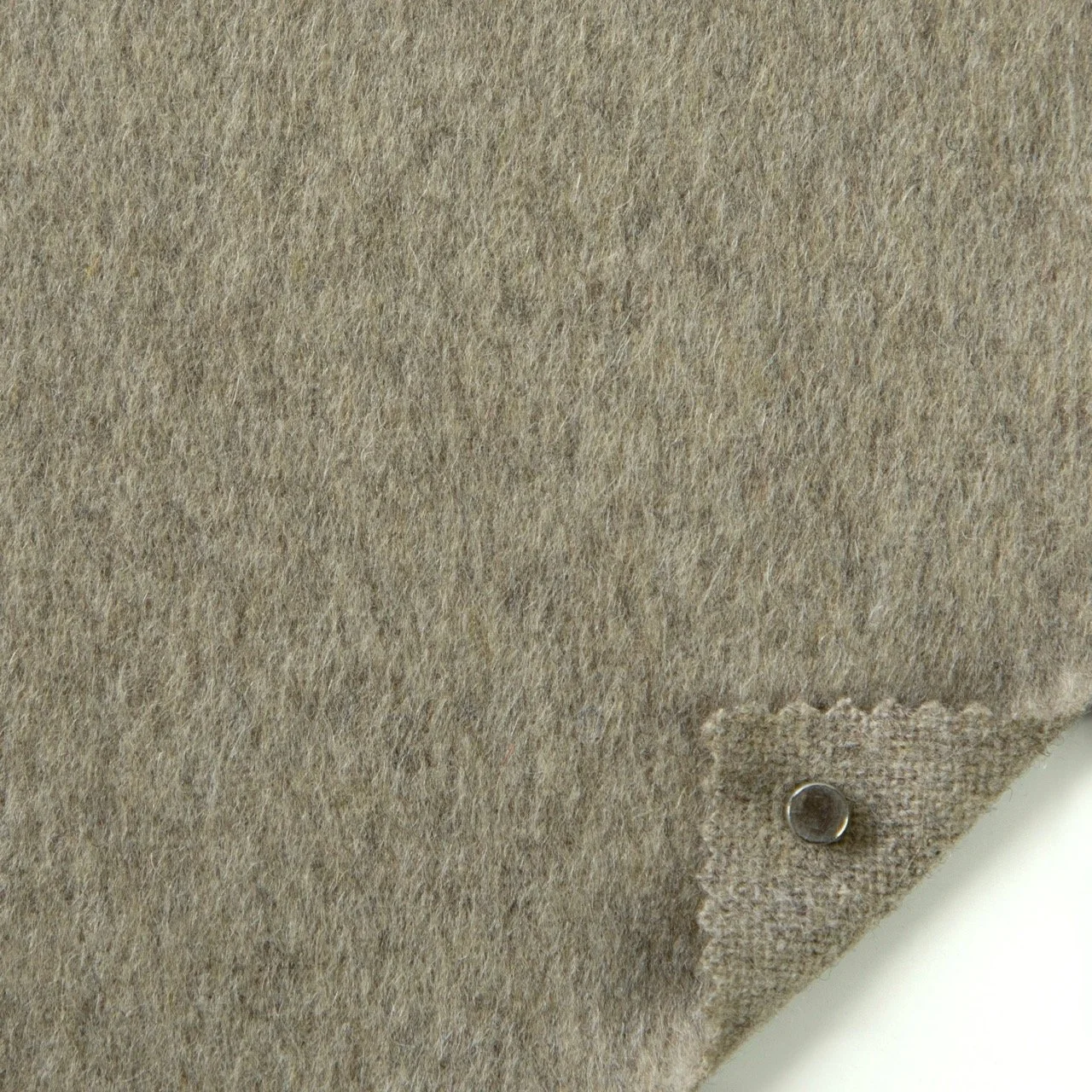
Some fabrics are brushed lightly without becoming full flannel, creating a subtle haze on the surface. The texture feels velvety but still shows the underlying weave.
Use cases: Transitional merino wool season suits, trousers with a slightly softer look, blazers that bridge office and casual wear.
Formality: Medium; they sit in a nice middle ground between crisp worsted and full flannel.
Interesting features: A light brush can take the “shine” off a fabric, which helps it photograph beautifully and look gentle under indoor lighting.
Textural Weaves with Dimension
These fabrics get their interest from the structure of the weave itself, which creates tiny ridges, loops, or pebbles. They are wonderful when you want a suit that feels expressive but still tailored.
Bouclé
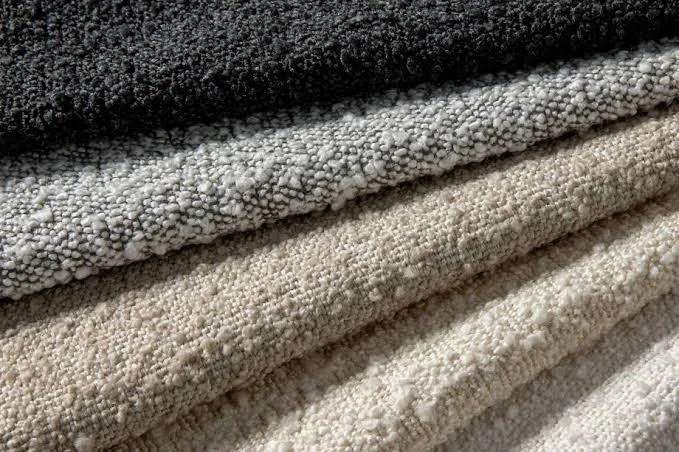
Bouclé is woven from looped or slubby yarns that create a nubby, irregular surface. It often looks plush and tactile, while still being light on the body.
Use cases: Textured blazers, skirt suits, cropped jackets, statement suiting for creative or social settings.
Formality: Low medium to medium; polished in simple cuts and solid colors, more playful in bold hues.
Interesting features: The loops catch light in different ways, which gives bouclé a soft depth. It is strongly associated with heritage “lady jacket” styles, but works beautifully across all genders and cuts.
Crepe weave (granular suiting crepe)
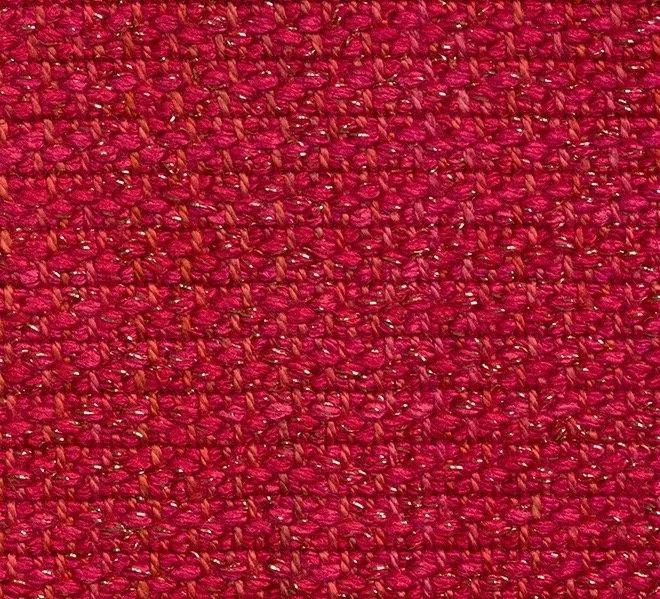
While earlier we talked about crepe as a texture, it is also a specific weave that builds tiny, irregular “grains” into the fabric surface. These grains are subtle but very effective.
Use cases: Tailored suits in fluid silhouettes, workwear that needs to feel refined yet comfortable, suits for warm to moderate climates.
Formality: Medium; clean enough for many offices, soft enough for dinners and events.
Interesting features: The granular surface diffuses light, which can be very flattering and forgiving, especially in mid tone and darker colors.
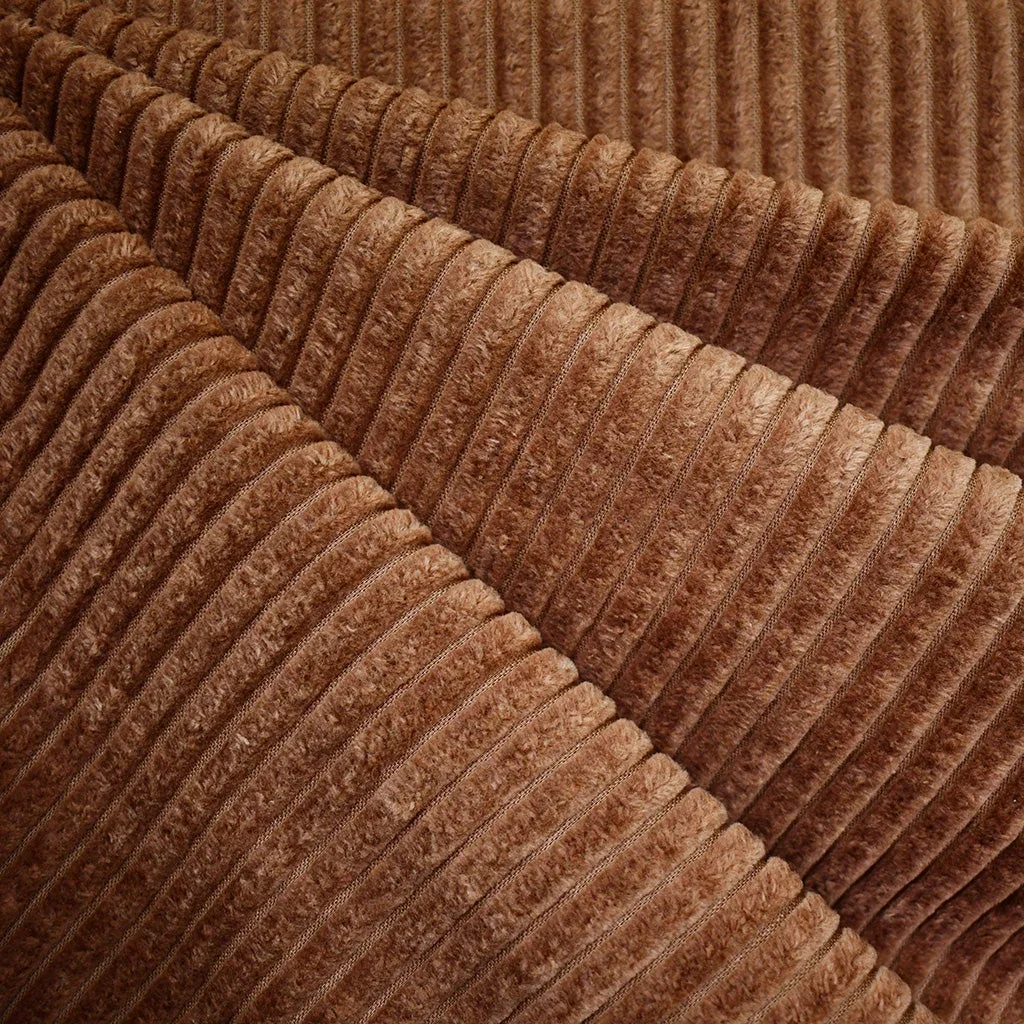
Ottoman, Corduroy, and similar ribs
Ottoman weaves create horizontal or vertical ribs that you can feel as gentle ridges. The fabric is firm, holds its shape, and usually has a very noticeable texture up close.
Use cases: Statement jackets, structured suits, occasion wear pieces where you want the fabric itself to be a feature.
Formality: Medium; the texture adds drama, so it depends heavily on color and cut.
Interesting features: The ribs can emphasize clean lines in tailoring and are particularly effective in sculptural or minimalist designs that let texture do the talking.
Rustic Textures
These textures often show their yarns more openly, with small irregularities or slubs that feel natural and airy.
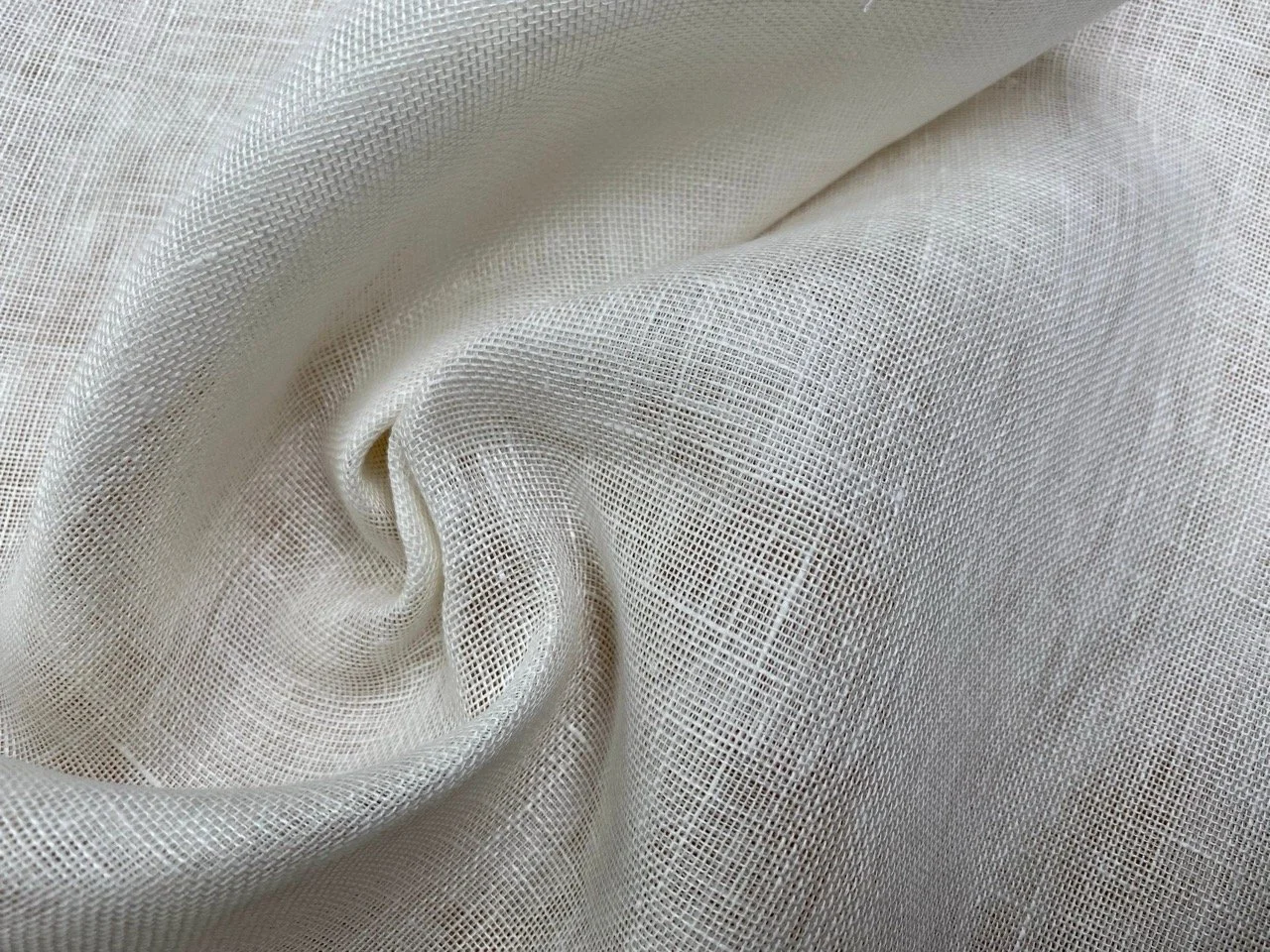
Linen
Linen has a crisp, dry hand with visible slubs that give it an organic, almost handwoven look. Over time, it softens and becomes more fluid while keeping that natural texture.
Use cases: Warm weather suiting, destination weddings, creative work environments, relaxed summer tailoring.
Formality: Low to medium; the inevitable wrinkling and slubs keep it casual even in classic cuts.
Interesting features: The slubs are part of the fiber, not a flaw. They break up the surface and make linen look lively and relaxed, even in solid colors.
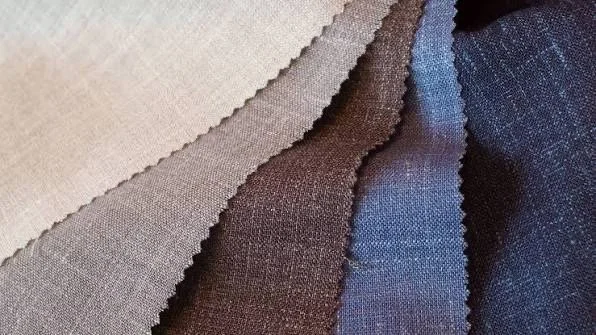
Linen blends with wool or silk
Blending linen with wool, silk, or other fibers can tame wrinkles and add a smoother hand without losing the breathable character. The texture becomes more subtle and refined.
Use cases: All season suits in mild climates, travel suiting, pieces that need to bridge business and off duty.
Formality: Medium; more polished than pure linen, especially in darker shades and quieter cuts.
Interesting features: These blends often show a very gentle irregularity when you look closely, which gives a “quiet luxury” feeling rather than obvious texture.
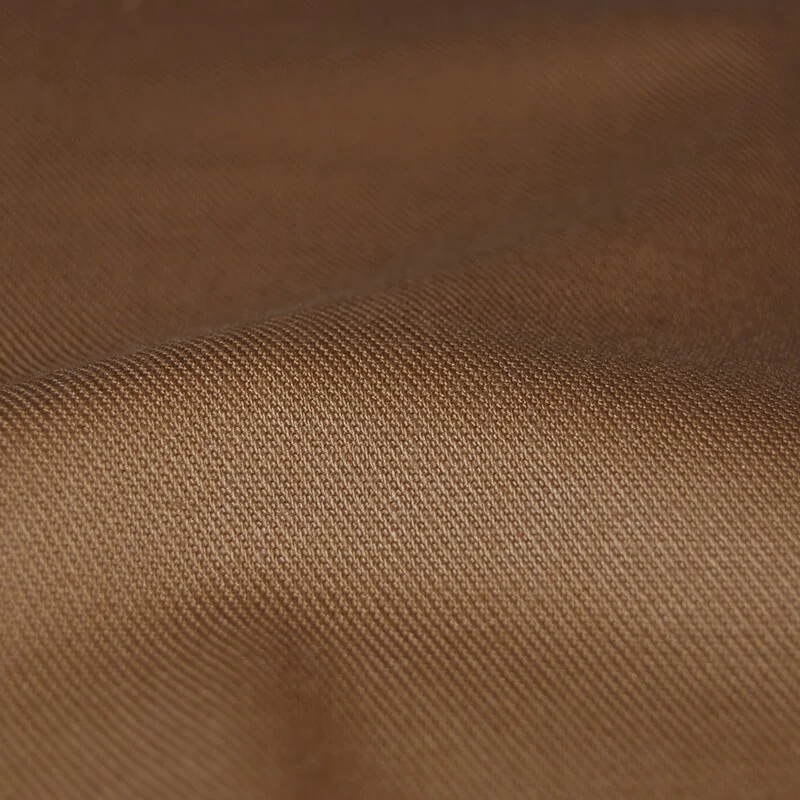
Cotton drill and heavier twills
Cotton drill and heavier twills have pronounced diagonal ribs and a slightly dry, sturdy feel. They sit between traditional suiting and workwear in mood.
Use cases: Casual or business casual suits, everyday trousers, unstructured blazers, utility inspired tailoring.
Formality: Low medium; they are more refined than denim, but still read relaxed and approachable.
Interesting features: Over time, these fabrics mold to the body and can develop subtle wear patterns that add character rather than looking worn out.
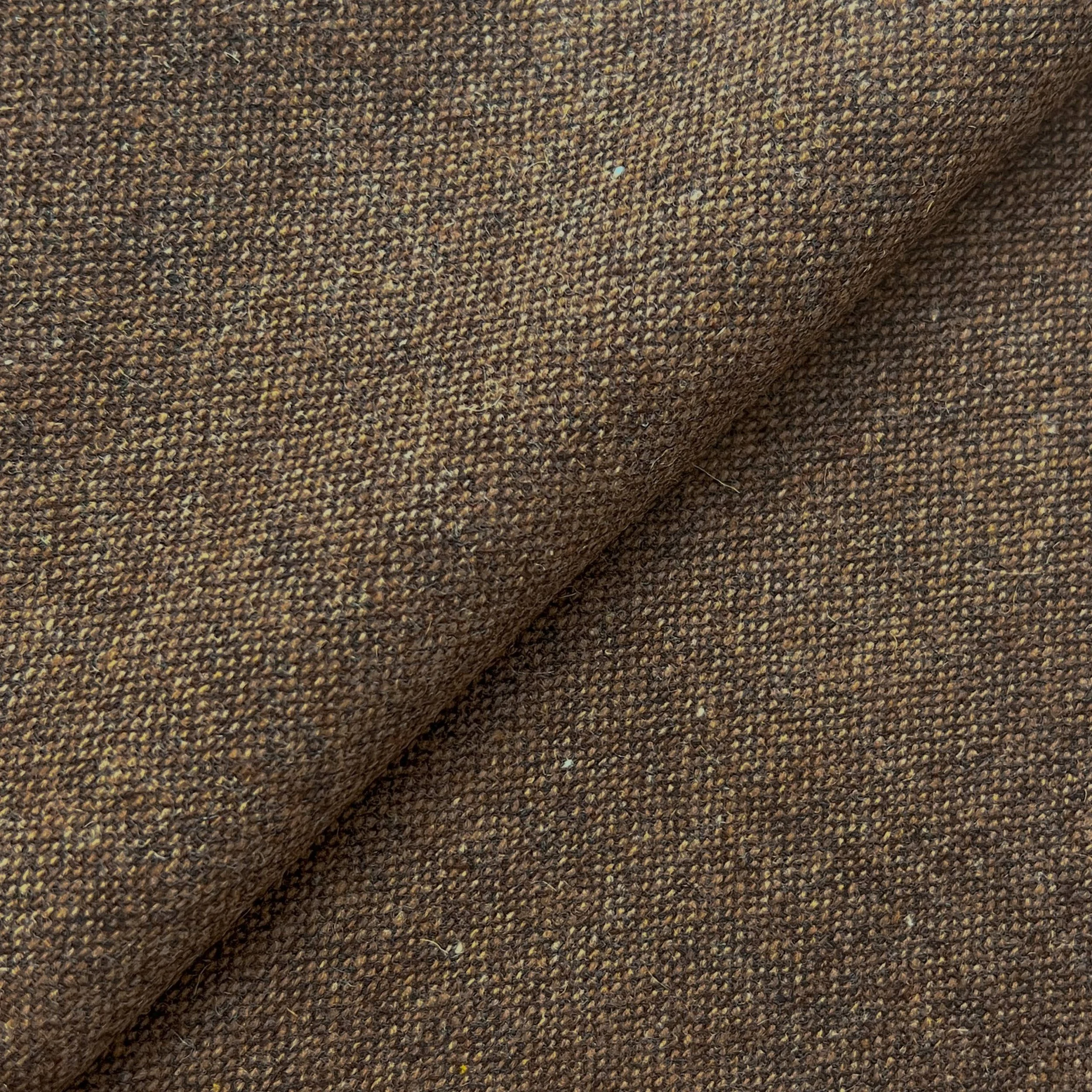
Tweeds
Tweed is a rough, medium-to-heavyweight wool fabric with a flexible texture and rich color depth. It originated in Scotland and Ireland as a weather-resistant textile for outdoor work.
Use cases: Casual or style-forward suits, durable fall trousers, outdoors inspired tailoring.
Formality: Low medium as it pertains to the business world. You won’t escape the notice of others in a tweed suit, and are likely to hear some Peaky Blinders jokes/compliments.
Interesting features: By design, there’s a rugged, outdoorsy functionality to tweeds. It makes for great inclement weather suiting (Scottish daily weather).
Specialty and Plush Textures
These fabrics feel intentionally luxurious or tactile, and they can dramatically change the mood of a suit.
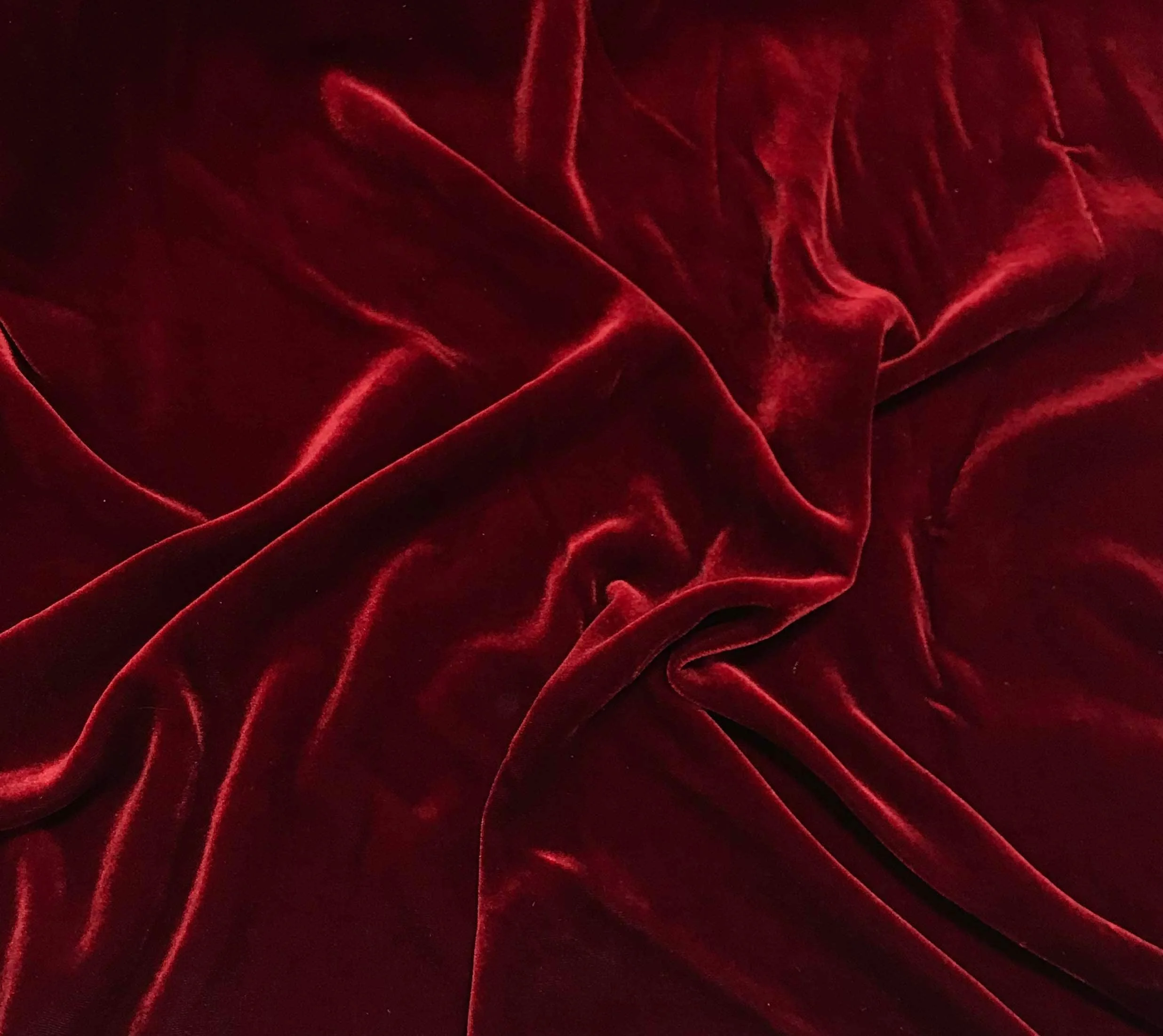
Velvet and velveteen
Velvet has a short, dense pile that feels plush and catches light in rich shifts of tone. Velveteen is similar, usually on a cotton base, with a slightly shorter, firmer pile.
Use cases: Evening suits, statement blazers, holiday dressing, creative event outfits.
Formality: High in classic dark colors and simple cuts, more playful in bright or unusual tones.
Interesting features: Because the pile reflects light differently depending on direction, velvet can look deeper or lighter as you move, which adds drama even in minimalist shapes.
Moleskin and suede like finishes
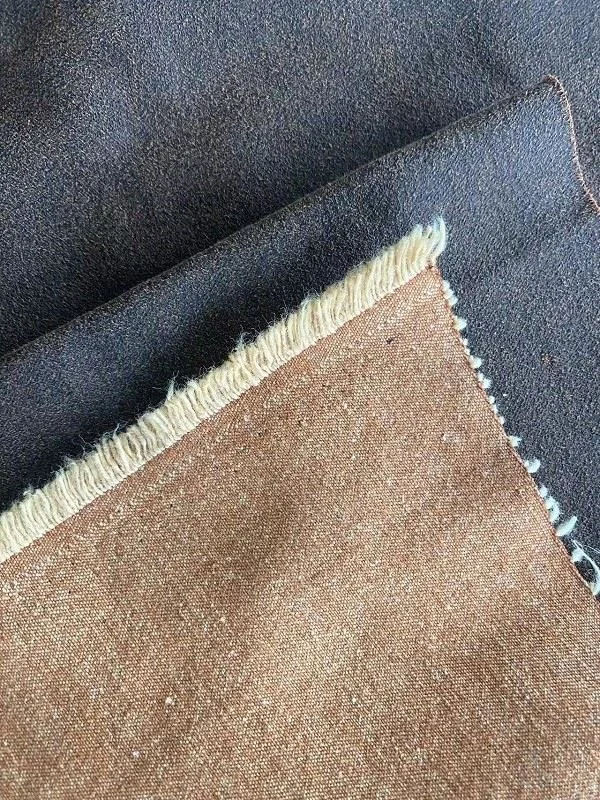
Moleskin is a densely woven cotton finished with a very fine, short nap that feels like soft suede. Some wool blends mimic this effect too.
Use cases: Cold weather suits, relaxed tailoring, jackets that sit between outerwear and suiting.
Formality: Low medium; they feel like elevated casual rather than traditional business.
Interesting features: The surface is smooth yet soft, and the fabric tends to be quietly warm, making it lovely for trousers and overshirt style jackets.
High twist “dry” wools
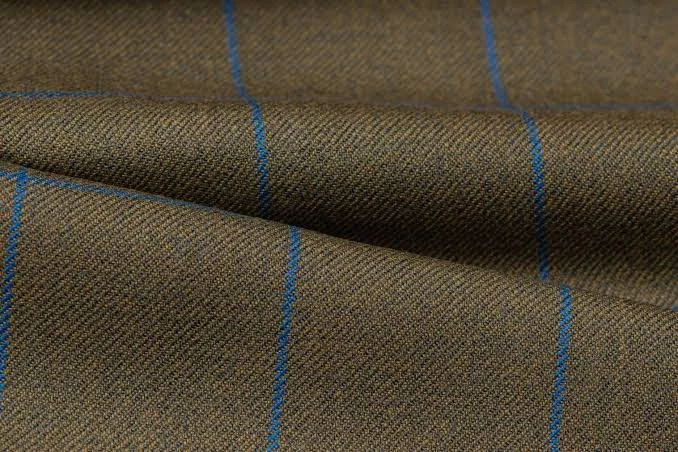
High twist wools are made from yarns spun very tightly, giving the fabric a crisp, slightly textured surface that feels “dry” rather than soft. The weave may be open enough to breathe well.
Use cases: Travel suiting, warm weather offices, situations where you need breathability and wrinkle resistance.
Formality: Medium to high, especially when cut in classic shapes and simpler colors, also with higher super-number wools.
Interesting features: The tight twist helps the cloth spring back from wrinkles and hold a sharp crease, while the texture prevents it from looking flat or shiny.
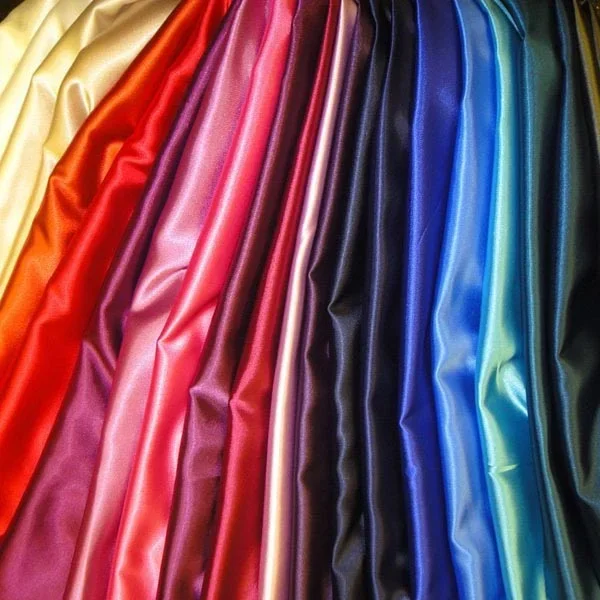
Satins
Important clarification right off the bat: satin ≠ silk. Silk satin fabrics do exist, but they are not the default. Most satin materials are polyester unless explicitly stated otherwise. Satin is a finish with a high shine due to the tightness of the weave.
Use cases: Dresses, tuxedo lapels and stripes, elegant event-forward women’s suiting.
Formality: High, normally reserved for black tie and other formal events.
Interesting features: Satin finishes offer a silky gloss and can really elevate a formal look. Beware of pulled threads that can ruin the smooth finish.
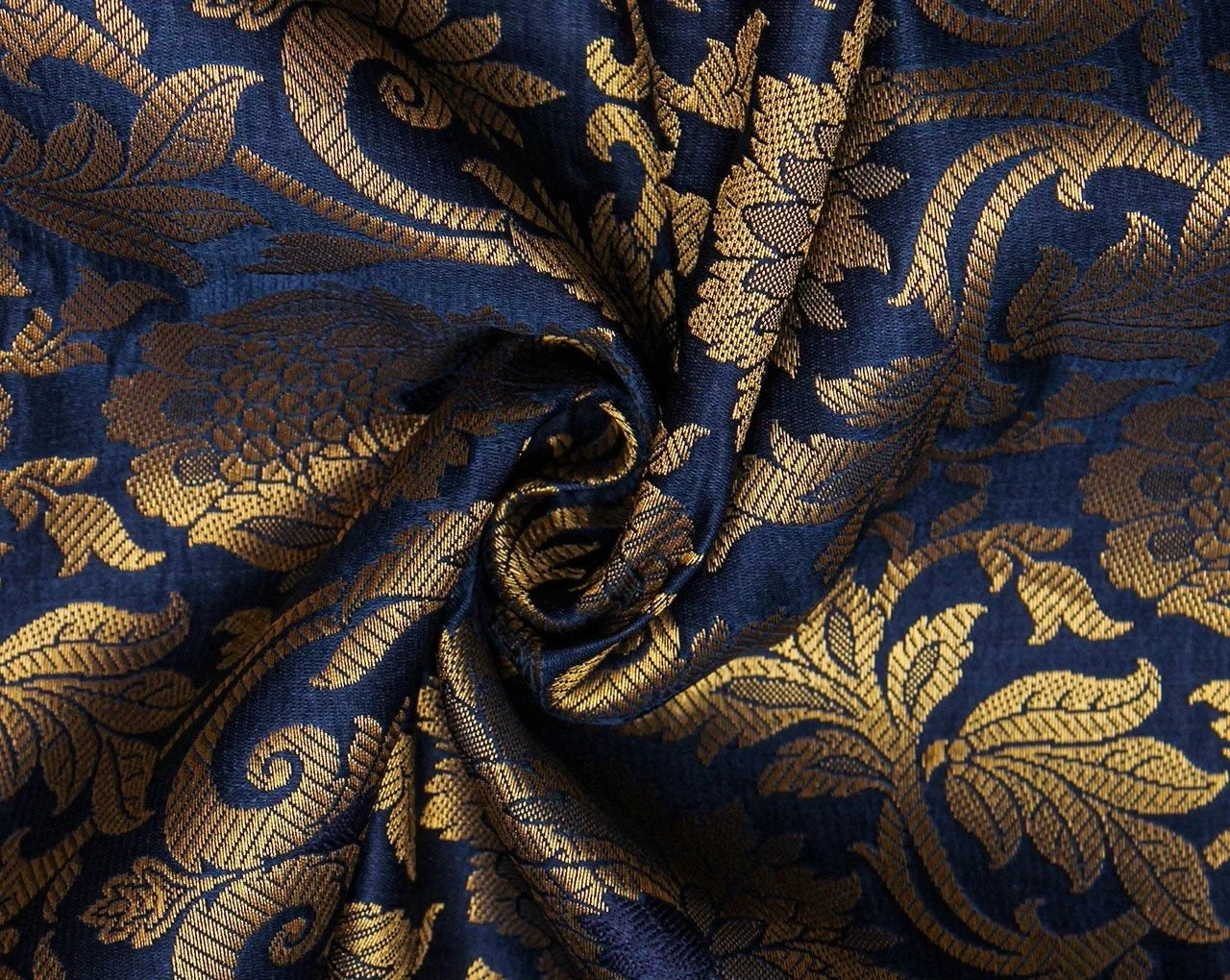
Brocades
Brocades are the mixed medium art of the fabric world. This is where any design can come to life and your garments can be wildly inventive. Brocade is a heavy, rich, decorative shuttle-woven fabric with a raised or embossed pattern, traditionally made of silk and often woven with gold or silver threads.
Use cases: Specialty dinner jackets or tuxedos, women’s jacketing.
Formality: Medium to high, definitely high for men, can be more standard for women.
Interesting features: Just look at it!
Using Texture and Finish in Real Life
If you think of smooth finishes as your most formal tools and more tactile textures as your relaxed ones, it becomes easier to choose what you need.
For all purpose suiting: Reach for worsted twill, smooth crepe, or refined gabardine in mid weights. They balance structure and comfort beautifully.
For cozy seasons: Choose flannel, brushed wool, or milled wool when you want warmth and a softer visual mood without giving up tailoring. Want to learn more about dressing for fall at work? Check out this style guide.
For heat and humidity: Look to linen, linen blends, high twist wools, and airy crepes that lift away from the body and handle wrinkles gracefully.
For expression and personality: Explore bouclé, granular crepe weaves, ottoman ribs, velvet, and moleskin when you want the fabric itself to feel like part of your signature.
Texture and finish are a gentle way to tune a suit to your life. The cut can be classic, but the feel of the fabric is what quietly tells the story of how formal, relaxed, or expressive you want to be.