

The Comprehensive Guide to Merino Wool
Merino wool is one of the most useful natural fibers in a well-built wardrobe. It is soft enough to wear next to the skin, resilient enough for frequent use, breathable in warm weather, and insulating when temperatures drop.
For custom clothing, merino is especially valuable because it can take on so many forms. It can become a refined business suit, a lightweight travel jacket, a fine knit, a structured trouser, or a soft layer beneath a sport coat. The real advantage is not that merino does one thing exceptionally well. It is that it does many things well at once.
What makes merino wool different
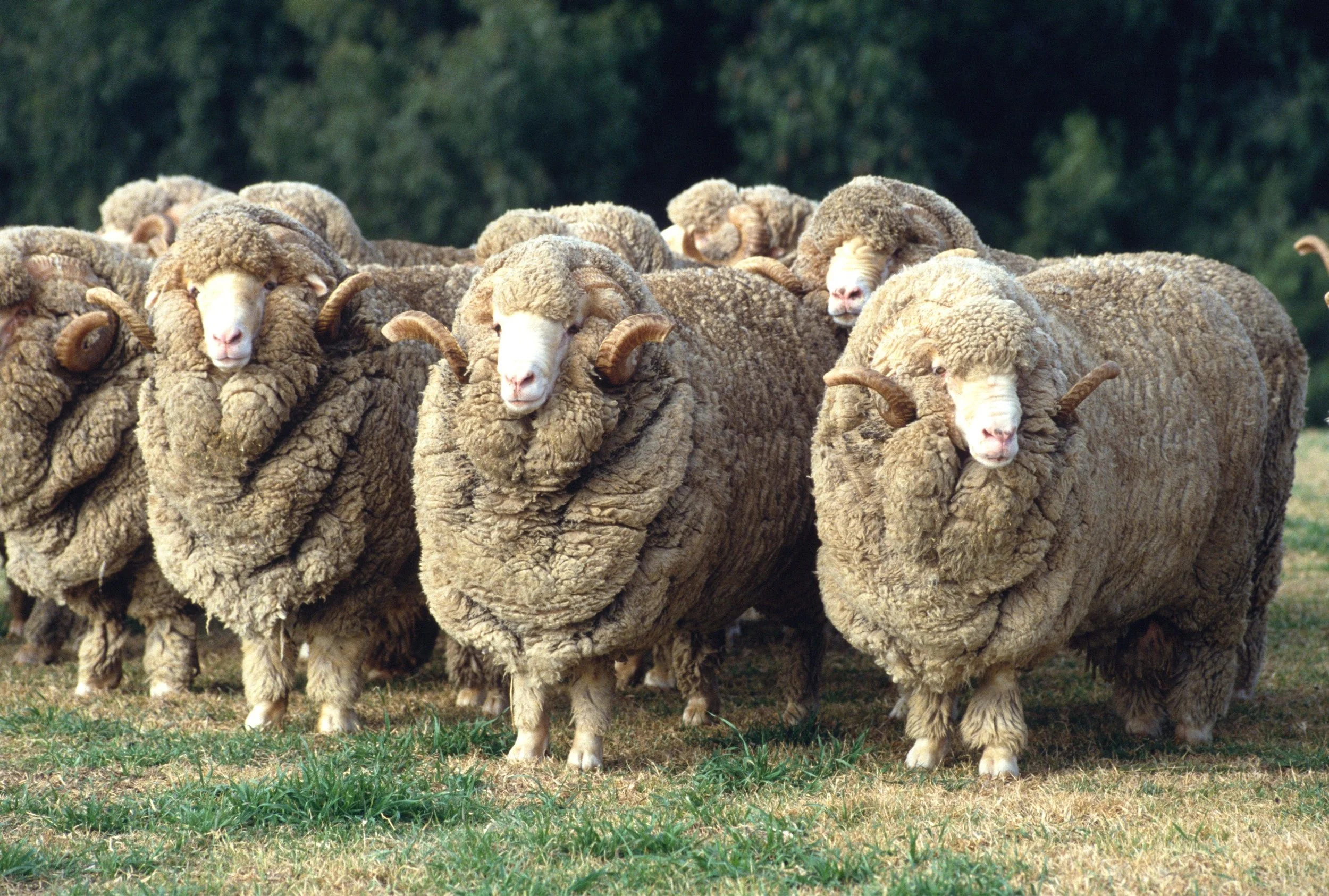
Merino wool comes from Merino sheep, whose fleece is generally finer and softer than the wool many people associate with traditional sweaters or heavy outerwear. The individual fibers are naturally crimped, which gives them elasticity and helps garments recover after movement, sitting, and packing.
That natural structure is a large part of why merino works so well in tailoring. A quality merino fabric can drape elegantly, resist wrinkling, and retain its shape through a full day of wear. Unlike many stiff or synthetic-heavy fabrics, it moves with the wearer and develops character over time.
Merino is also available in a broad range of weights. A lightweight merino can feel almost airy in spring and summer, while a denser merino flannel or wool-cashmere blend can provide warmth and softness in fall and winter. This versatility makes it one of the foundational fibers for year-round custom wardrobes.
Why merino feels so comfortable
A common misconception is that all wool feels itchy. That reputation usually comes from coarser wool fibers, rough finishes, or poorly made garments. Fine merino is much softer, especially when it is woven or knitted well.
Merino naturally manages moisture vapor, helping you feel more comfortable when you move between a hot commute, an air-conditioned office, a crowded event, and the outdoors. It can absorb moisture without immediately feeling wet or clammy, which makes it particularly useful for people who run warm or spend long days in tailored clothing.
It also has natural odor resistance. This does not mean you should never clean your clothes, but it does mean merino garments often need less frequent washing than many alternatives. A merino knit or pair of merino socks can frequently be aired out between wears, helping preserve the fabric and extend the garment’s life.
Merino wool and temperature
Merino is often called a four-season fiber because it helps regulate temperature instead of simply trapping heat. The fiber’s natural crimp creates tiny pockets of air that can provide insulation in colder weather. At the same time, merino breathes and manages moisture, making it more comfortable than many people expect in warmer conditions.
This is why a lightweight merino suit can be an excellent choice for Washington, DC. It offers a polished look for professional environments while remaining more breathable than a dense, heavy cloth. A high-twist merino can be especially useful for spring, summer, travel, and people who prefer a crisp fabric with strong wrinkle recovery.
For cooler months, medium-weight merino, flannel merino, and merino-cashmere blends offer a softer and warmer experience. These fabrics are ideal for sport coats, suits, trousers, knitwear, and overcoats that need to feel substantial without becoming bulky.
Merino in custom suiting
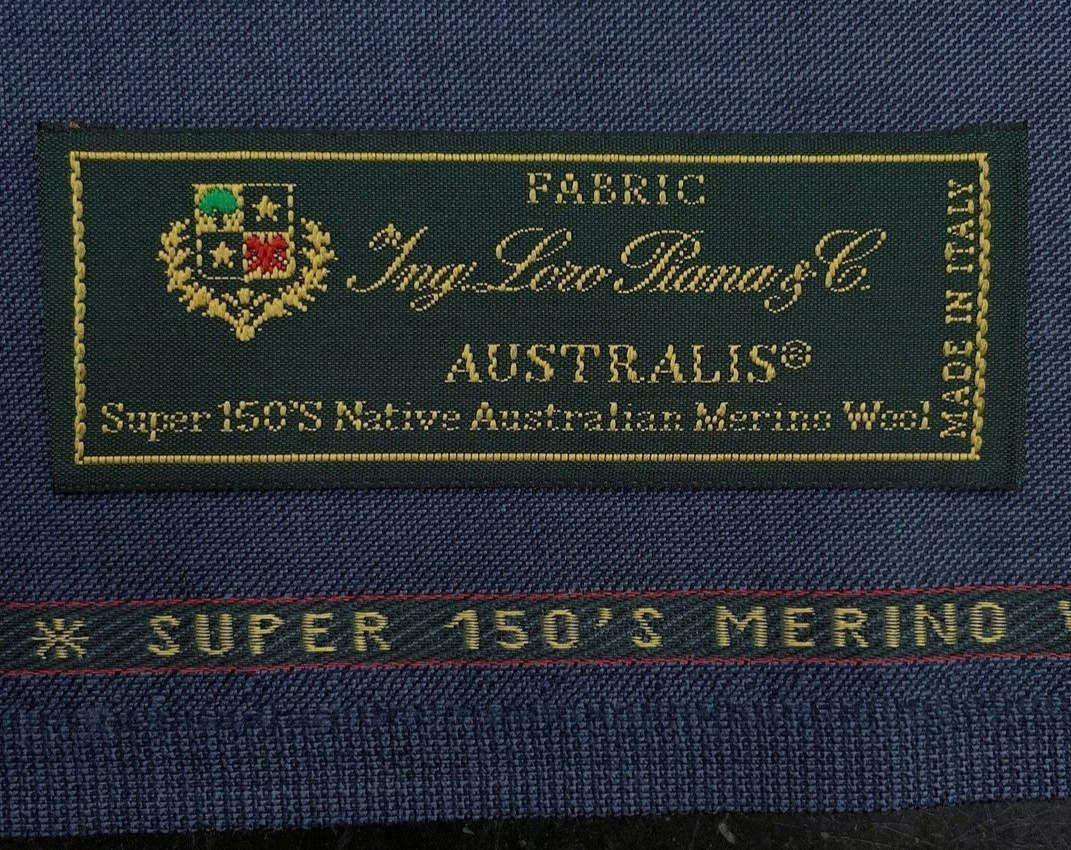
Merino wool is one of the most common choices for custom suits because it creates a balance between appearance and performance. It can look smooth and formal enough for courtrooms, boardrooms, interviews, and weddings, while still being comfortable enough for long workdays.
A medium-weight merino worsted wool is a strong first-suit fabric. It is versatile, durable, and appropriate for most settings. Choose navy or dark charcoal for a suit that can work in professional environments, formal events, and important social occasions.
For a more breathable suit, consider a high-twist merino. The tighter yarn twist gives the fabric a dry hand, visible texture, and excellent wrinkle resistance. It is a natural choice for frequent travelers, people who commute in warm weather, and anyone who needs their suit to remain composed from the first meeting to the last.
At Capitol Hill Clothiers, we help clients choose merino fabrics according to their climate, profession, schedule, and desired level of formality. The right merino is not simply about softness. It is about selecting a cloth with the correct weight, weave, texture, and structure for the garment you will actually wear.
Understanding merino fabric weights
Fabric weight has a major effect on how merino performs. The best choice depends on where, when, and how often you will wear the garment.
Lightweight merino is best for warm weather, travel, layering, and people who run warm. It creates a lighter, cleaner silhouette, but it may show wrinkles more readily than a heavier cloth if the weave is very delicate.
Medium-weight merino is the most versatile category. It works for the majority of business suits, trousers, sport coats, and dresses. It has enough body to drape cleanly and retain a sharp shape while remaining comfortable across multiple seasons.
Heavyweight merino is useful for colder weather and more structured garments. It is particularly effective in flannel, tweed-like weaves, and overcoating cloth. Heavier fabrics can carry more texture and visual depth, making them ideal for fall and winter jackets.
The important thing is not to assume that lighter means better or finer means more luxurious. A very lightweight, extremely fine merino may be beautiful, but it may also be less practical for daily wear than a slightly more substantial fabric. The best cloth is the one that fits your real life.
Merino worsted, flannel, and high-twist wool
Merino can be woven and finished in many ways, which is why it can look completely different from one garment to another.
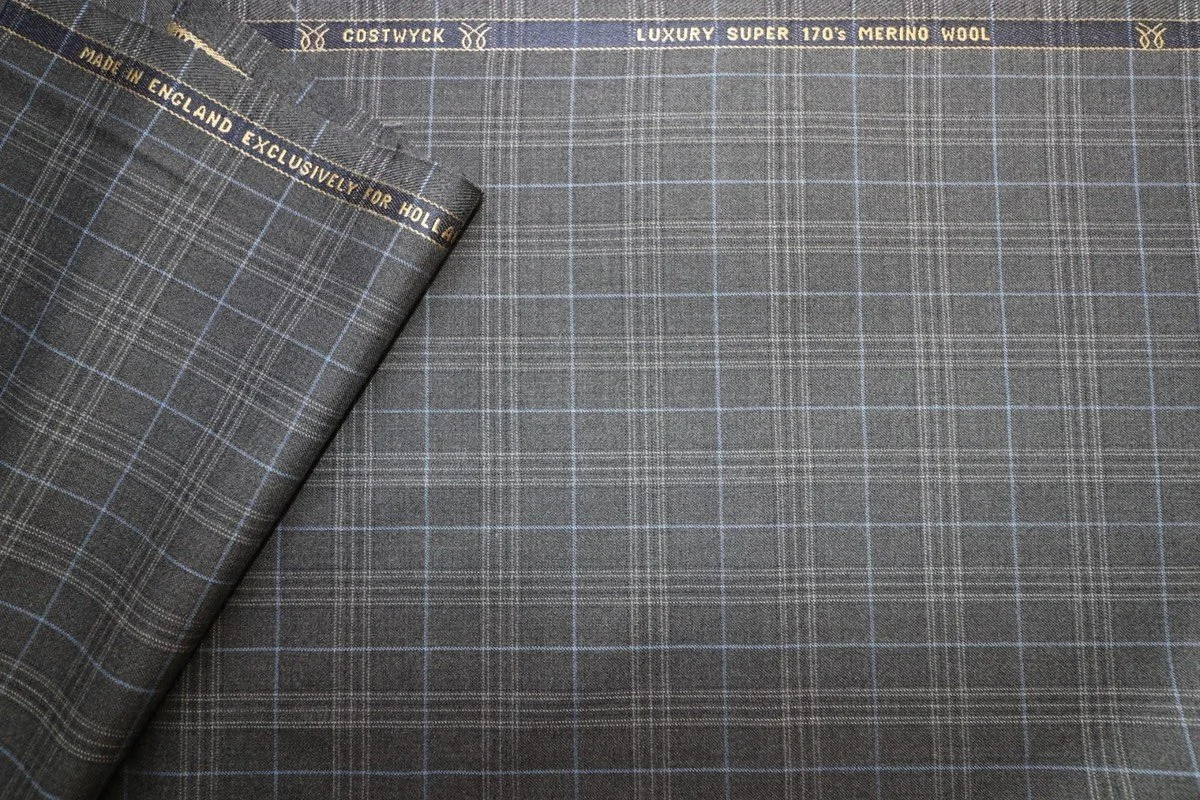
Worsted merino is smooth, refined, and versatile. It is the classic fabric for business suits because it holds a crease, drapes neatly, and works in almost any professional environment. A navy or charcoal worsted merino suit is one of the strongest investments a man or woman can make.
Merino flannel is softer, warmer, and more textured. It has a gentle brushed finish that gives it depth and a more seasonal appearance. Flannel suits and trousers are excellent for fall and winter, particularly in gray, brown, navy, olive, and muted patterns.
High-twist merino has a drier, crisper feel. Its yarns are twisted tightly before weaving, creating a fabric that resists wrinkling, breathes well, and recovers beautifully after travel or long days. It is a practical choice for people who need performance without sacrificing elegance.
Merino blends can add other natural qualities to the cloth. Merino and silk can create subtle luster and softness. Merino and linen can provide breathable texture for spring and summer. Merino and cashmere can add warmth and an exceptionally soft hand for jackets, suits, and overcoats.
Merino knitwear
Merino is just as valuable outside of suiting. A fine merino crewneck, V-neck, polo, cardigan, or mock neck is one of the most useful layers in a tailored wardrobe.
A lightweight merino knit can be worn under a sport coat instead of a dress shirt and tie. It can pair with trousers for business casual offices or with dark denim for a polished weekend outfit. In colder weather, it layers easily beneath an overcoat without adding unnecessary bulk.
For professional wardrobes, start with navy, charcoal, dark brown, deep green, and medium gray. These shades pair naturally with suits, trousers, sport coats, and denim. Once you have the essentials, consider burgundy, camel, soft blue, or muted plum for additional personality.
The advantage of merino knitwear is that it gives you warmth and refinement without making you look overdressed. It is a simple way to bring texture and depth to an outfit while remaining comfortable throughout the day.
Merino for travel
Merino is one of the best fibers for travel because it is naturally resilient and versatile. A merino suit, knit, or trouser can handle long flights, hotel rooms, meetings, dinners, and changing temperatures more gracefully than many other fabrics.
A high-twist merino suit in navy or charcoal is particularly effective for business travel. It can be worn with a tie for a presentation, then dressed down with an open-collar shirt or fine knit for dinner. A merino sport coat can perform the same role in less formal environments.
When packing merino, fold it carefully or roll lighter knitwear to reduce sharp creases. Hang suits and jackets as soon as you arrive. Most minor wrinkles will relax naturally after the garment has time to rest, especially if you hang it in a steamy bathroom while showering.

Why we avoid synthetic-heavy alternatives
Synthetic fibers are often marketed as convenient because they can be inexpensive and wrinkle resistant. In practice, they tend to create worse garments.
Polyester and other synthetic-heavy blends can trap heat, hold onto odor, create static, and develop an artificial shine over time. They often pill, lose their shape, and lack the natural drape that makes tailored clothing look elegant. Under office lighting, on video calls, and in photographs, synthetic cloth can look flat or overly reflective.
Merino has a more natural hand, better temperature management, and a more refined visual texture. It may require more thoughtful care than a synthetic garment, but the result is usually more comfortable, more durable, and more attractive over the long term.
For custom clothing, we recommend natural fibers because they age with character. A great merino jacket or suit should develop into a garment you enjoy more with wear, not one that looks tired after a season.
How to care for merino wool
Merino is durable, but it benefits from proper care. The best approach is usually to wear it thoughtfully, air it out between wears, and clean it only when needed.
For suits, sport coats, trousers, and overcoats, use a sturdy hanger and brush the garment lightly after wear to remove surface dust. Give it at least a day of rest before wearing it again. Spot clean small marks quickly, and use a trusted dry cleaner only when the garment truly needs it.
For merino knitwear, check the care label. Many fine merino garments should be hand-washed in cool water with a gentle wool detergent, then laid flat to dry. Avoid hanging a wet knit, as the water weight can stretch the garment. Never use high heat, aggressive agitation, or harsh detergent.
If you care for it well, merino will reward you with years of wear. The fiber is naturally resilient, but it is still a luxury natural material that benefits from patience.
Common merino wool mistakes
The first mistake is assuming every merino fabric performs the same way. A lightweight merino knit, a high-twist suiting cloth, and a brushed merino flannel all have different strengths. Choose the version that matches the garment and situation.
Another mistake is buying an extremely fine fabric for hard daily use. Very fine merino can feel luxurious, but it may not be the best choice for someone who travels constantly, commutes every day, or needs a suit to withstand frequent wear. A medium-weight cloth with a slightly more substantial weave is often the wiser long-term investment.
Finally, do not overlook fit. Even the finest merino fabric cannot compensate for a jacket with poor shoulders, trousers that pull through the thigh, or a shirt that fits badly at the collar. Fabric and fit have to work together.
Building a merino wardrobe
A thoughtful merino wardrobe does not have to be extensive. Begin with pieces that work hardest for you.
A navy or charcoal medium-weight merino suit for professional and formal settings
A high-twist merino suit or sport coat for travel and warm weather
A gray or navy fine merino knit for layering
A textured merino sport coat for business casual and social occasions
Merino socks for comfort, odor control, and year-round wear
A merino-cashmere overcoat or heavier wool jacket for colder weather
From there, add fabrics and colors based on your lifestyle. The goal is not to own merino in every category. It is to use it where its natural performance and refinement make the greatest difference.
The custom advantage
Merino becomes even more valuable when it is paired with custom fit. The cloth can only perform properly when the garment has enough room to move, the shoulders sit correctly, and the overall silhouette complements your body.
At Capitol Hill Clothiers, we can guide you through merino options that suit your needs, whether you want a hard-wearing business suit, a breathable warm-weather jacket, refined knitwear, or a soft cold-weather overcoat. We will help you select a fabric that feels exceptional, performs in your day-to-day life, and supports a wardrobe you will enjoy wearing for years.

FAQ: Merino Wool
Is merino wool itchy?
High-quality merino is generally much softer than traditional coarse wool. Fine fibers and quality finishing make it comfortable for many people to wear directly against the skin, especially in knitwear, socks, and lightweight layers.
Can I wear merino wool in summer?
Yes. Lightweight and high-twist merino fabrics are breathable and useful in warm weather. They help manage moisture and offer a more polished alternative to many casual summer fabrics.
Is merino wool good for a first suit?
Yes. A medium-weight worsted merino suit in navy or dark charcoal is one of the best first custom suit choices. It is versatile enough for work, interviews, weddings, presentations, and formal occasions.
What is the difference between merino and cashmere?
Merino is usually more durable, more resilient, and more versatile for regular wear. Cashmere is softer and warmer, but it is generally more delicate. A merino-cashmere blend offers an appealing balance of durability, warmth, and softness.
Does merino wool wrinkle?
Merino naturally has good wrinkle recovery because of its fiber structure. High-twist merino is especially useful for travel and long days because it resists wrinkling better than many softer, looser fabrics.
Can merino wool be worn year-round?
Yes. The right weight makes all the difference. Lightweight merino and high-twist cloths work well for spring and summer, while medium-weight worsteds, flannels, and merino-cashmere blends are better for fall and winter.
How often should I dry clean a merino suit?
Only when it truly needs cleaning. Brush it, hang it properly, and allow it to rest between wears. Frequent dry cleaning can shorten the life of natural-fiber tailoring.
Is merino better than synthetic fabric?
For tailored clothing, yes. Merino breathes, manages moisture, resists odor naturally, and drapes more elegantly. Synthetic-heavy fabrics often trap heat, develop shine, pill, and lose their shape over time.