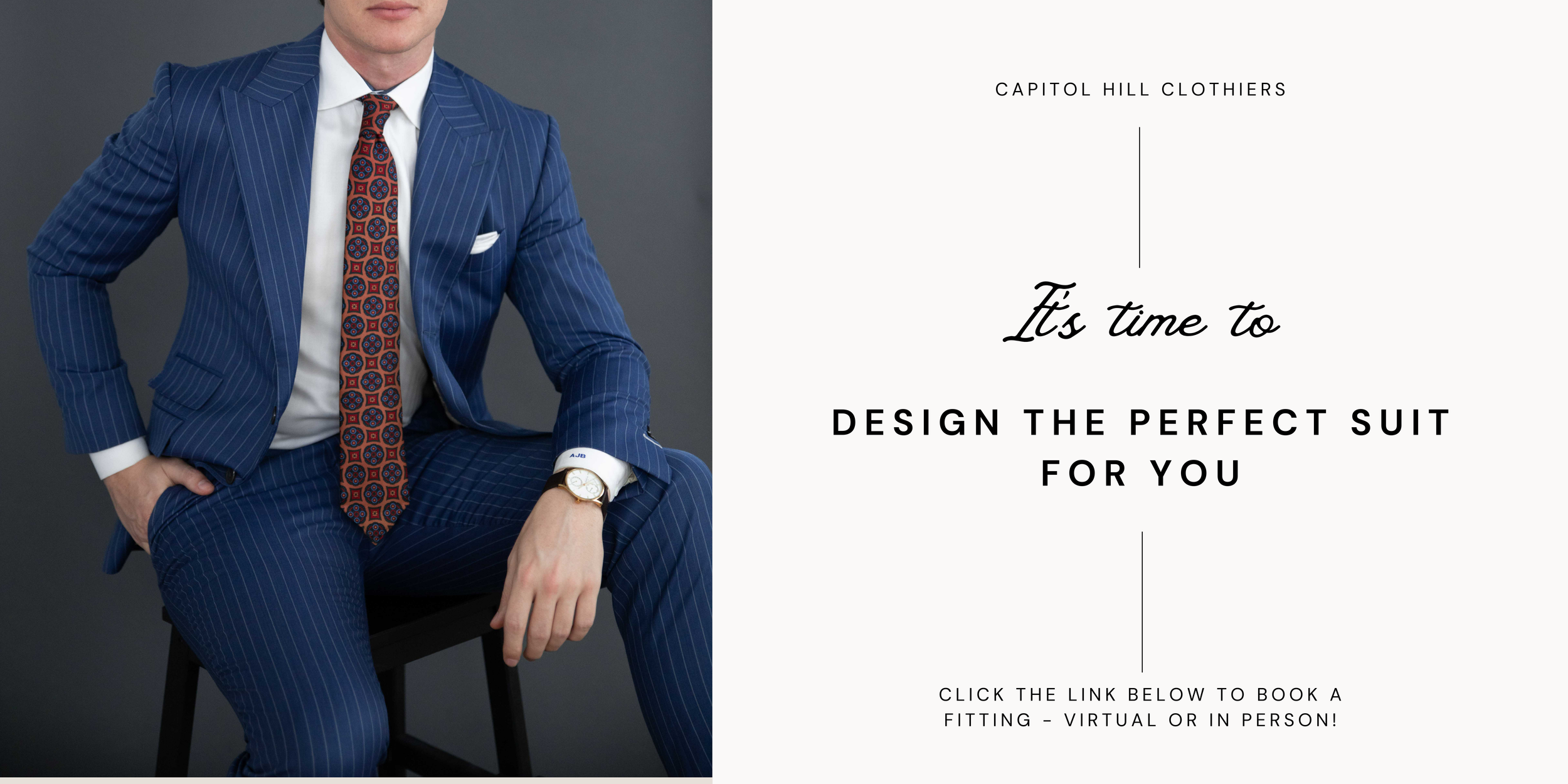

The Most Expensive Custom Suits You Can Buy in DC
The highest-priced custom suits are expensive for concrete reasons: rare raw materials, limited fabric production, specialized weaving, and the amount of cloth required to create a suit without compromising pattern placement or fit.
At Capitol Hill Clothiers, the three highest luxury categories are vicuña custom suits at approximately $40,000, 24k gold pinstripe suits at approximately $25,000, and ultra-luxury business suits in the $10,000 to $15,000 range using fabrics from mills such as Zegna, Scabal, and Loro Piana.
These are not simply more expensive versions of a standard navy suit. Each category uses materials or production methods that materially change the cost, feel, durability, care requirements, and practical use of the finished garment.

What drives the price of a luxury suit
The fabric is typically the largest factor in a high-end custom suit’s price. Luxury cloth is expensive when the source fiber is scarce, the yarn is difficult to spin, the weaving process is slow, or the mill produces a limited amount of the fabric.
The second major factor is the amount of cloth required. A suit requires significantly more fabric than a shirt or pair of trousers, and pattern matching can increase that requirement. A custom suit with a pinstripe, plaid, check, or directional weave needs to be aligned across the jacket front, sleeves, pockets, lapels, and trousers. This means we need to buy additional yardage to ensure the final garment looks balanced.
Construction also matters. Fine fabrics require experienced cutting and sewing because they can shift, fray, stretch, or show needle marks more easily than standard cloth. An ultra-fine merino, vicuña, silk blend, or gold-thread fabric cannot be treated like durable everyday wool. The more delicate the cloth, the more exact the handling must be at every stage.
Finally, the suit’s intended use affects the commission. A daily business suit is expected to tolerate sitting, commuting, travel, and frequent wear. A rare occasion suit may prioritize softness, visual effect, or rarity over rugged performance. The most expensive fabric is not always the most practical fabric, but you likely know that if you’re spending five figures on a custom suit.
The $40,000 vicuña suit
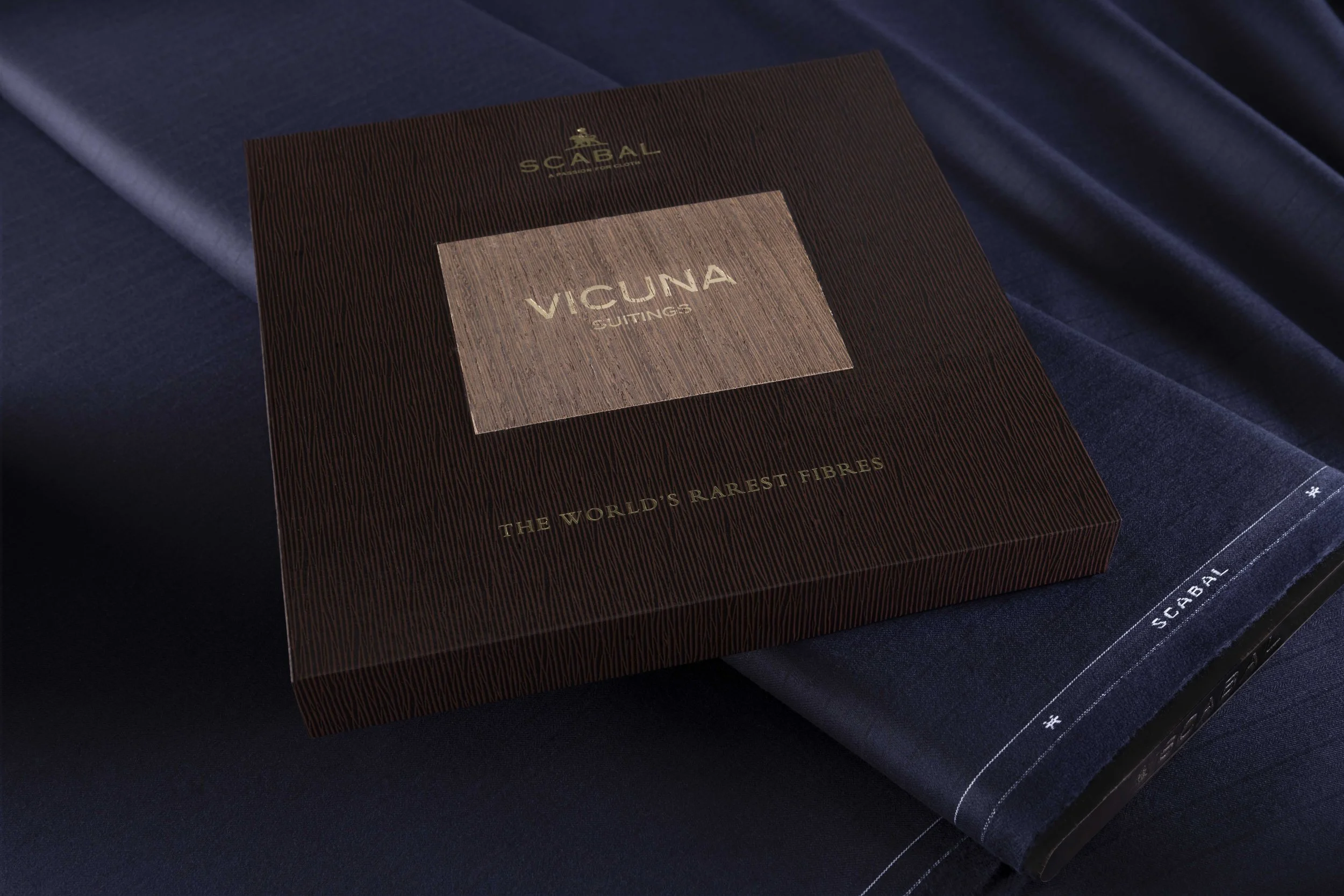
Vicuña is among the rarest fibers used in luxury tailoring. It comes from the fleece of the vicuña, a small camelid native to the Andes. The animals produce relatively little usable fiber, and their fleece must be collected under carefully controlled conditions. That limited supply is the starting point for vicuña’s cost.
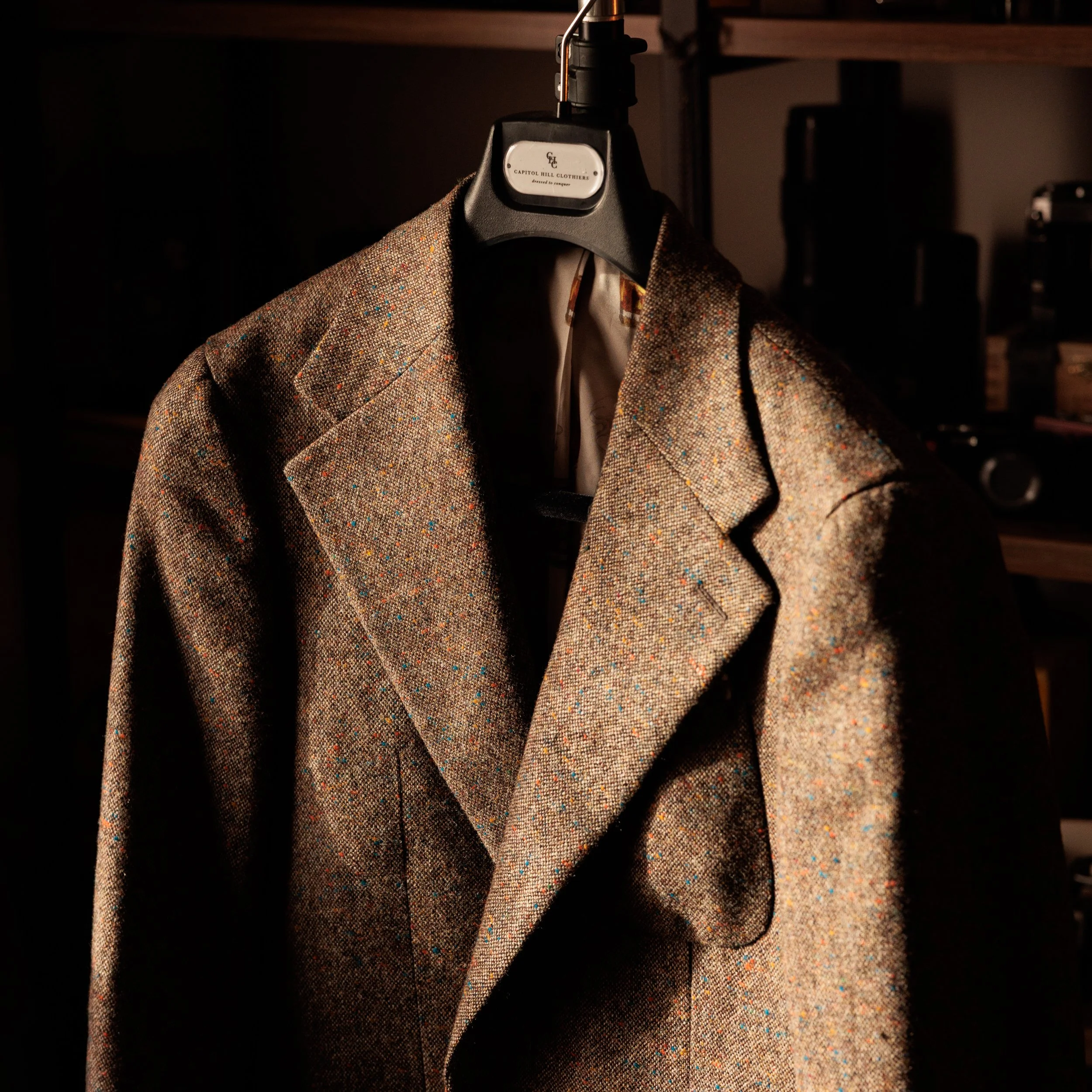
The fiber itself is extremely fine, soft, lightweight, and warm. It has a distinctive natural color range that generally falls around warm camel, tobacco, cinnamon, and golden brown. These natural tones are part of the appeal, since they preserve the character of the fiber without relying on strong dyeing or elaborate finishing.
A vicuña fabric is expensive not just because of its softness, but because the fiber is scarce and challenging to process. Fine fibers require careful sorting, spinning, and weaving. Mills that work with vicuña generally produce it in much smaller quantities than standard merino wool. The resulting cloth is also delicate. It can be affected by abrasion, frequent friction, rough surfaces, and repeated heavy wear.
That makes a vicuña custom suit unsuitable for most daily professional use. It is not designed for crowded commutes, frequent air travel, carrying heavy bags, or sitting through long weeks of meetings. It is best reserved for occasional wear in low-impact settings, including formal dinners, private events, milestone celebrations, and collector wardrobes.
The cut should remain simple because the fabric itself is the point. A single-breasted jacket, restrained lapel, clean trousers, and minimal decorative details allow the fiber’s natural texture and color to stand out. Complicated styling can make the garment feel less considered while adding unnecessary pressure to a delicate cloth.
At approximately $40,000, a custom vicuña suit is expensive because of raw-material scarcity, limited fabric production, delicate processing, and the specialized care the garment requires after delivery. We’re happy to work with you on one if cashmere is simply too inexpensive for you these days. Just let us know.
The $25,000 24k gold pinstripe suit
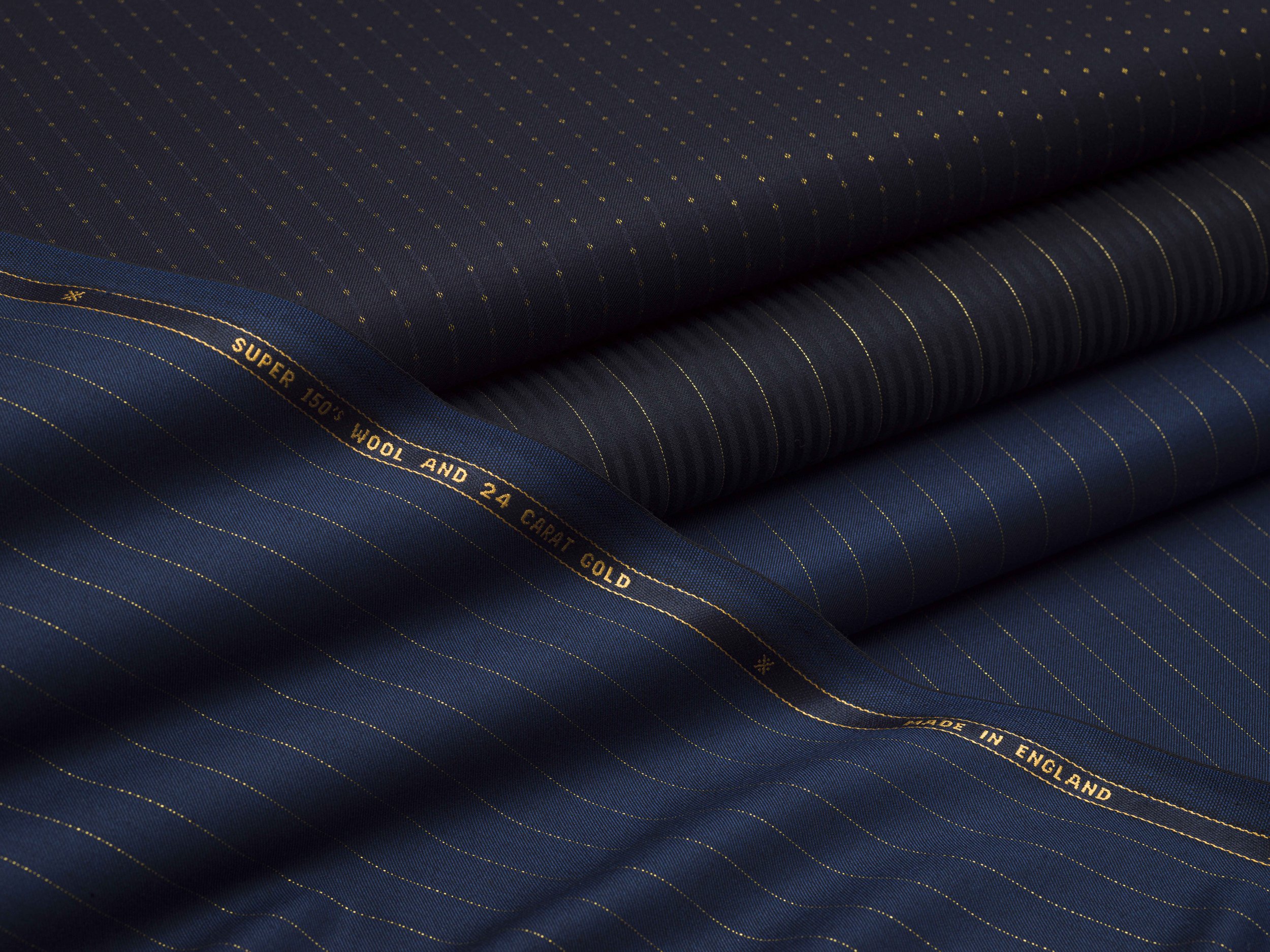
A custom 24k gold pinstripe suit costs approximately $25,000 because the stripe is not printed on after weaving. The gold element is integrated into the cloth as part of the fabric’s design, requiring specialized yarn preparation, weaving, and quality control.
The exact construction depends on the fabric, but the visual effect is created by incorporating gold-colored metallic yarn, gold filament, or a gold-content thread into a dark suiting ground. The pinstripe must remain consistent across the entire fabric, including the jacket body, sleeves, lapels, breast pocket, lower pockets, trouser legs, and waistband.
Unlike a standard solid or subtle textured fabric, a gold pinstripe creates additional cutting requirements. The stripes must line up correctly from one panel to the next. The front jacket panels need to mirror each other, the stripes should run consistently through the sleeves, and the pocket flaps must align with the jacket body. If the fabric includes a stripe that is uneven or directional, more cloth may be required to achieve the correct alignment.
The gold element also affects the fabric’s behavior. Metallic threads do not respond exactly like wool, silk, or cashmere. They may have less elasticity, more surface sensitivity, and a different reaction to pressing. This requires more deliberate handling during construction and later care.
A gold pinstripe custom suit is therefore not a daily business suit. It is most appropriate for events where a distinctive fabric is expected or welcome, such as black-tie-adjacent celebrations, formal weddings, galas, milestone birthdays, award events, private dinners, and performances.
The jacket design should be restrained enough that the stripe remains the visual focus. A classic single-breasted jacket, a moderate lapel, and simple pockets are usually better choices than overly aggressive styling. Because the fabric already carries contrast and shine, a loud lining, strong shirt pattern, or heavily patterned tie can make the outfit feel overworked.
The cost reflects the specialty fabric, the precious-metal or metallic element, limited production, pattern matching, and the additional precision required to make the suit look clean instead of gimmicky. If you need a suit to actually match your Patek Philippe, we’re here to help.
The $10,000 to $15,000 luxury custom suit
A custom suit in the $10,000 to $15,000 range is expensive for a different reason. It typically does not rely on a rare novelty material. Instead, it uses exceptionally refined Super 200’s and above wool, silk, cashmere, or linen blends from established luxury mills, combined with a high level of fit and finishing.
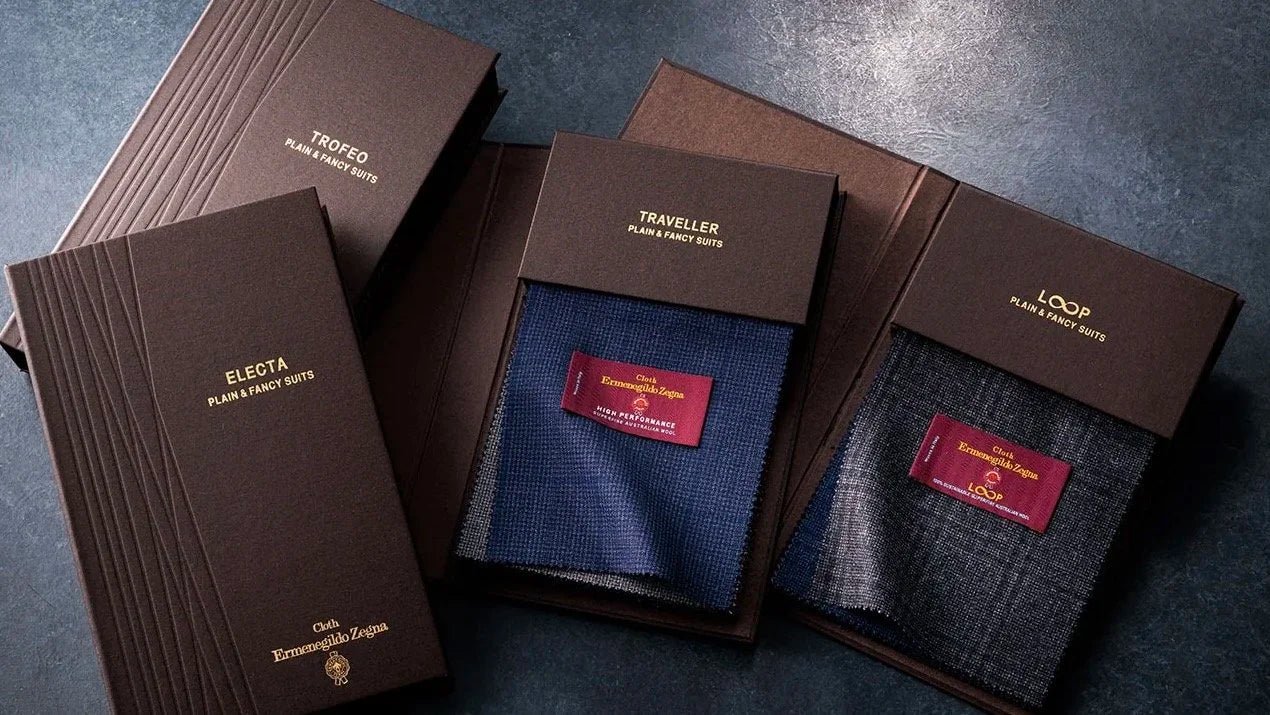
This category includes fabrics from Zegna, Scabal, and Loro Piana. These mills are sought after because of their fiber selection, yarn development, color work, fabric finishing, and ability to create cloth that feels refined while remaining appropriate for tailored clothing.
The value of a luxury business suit comes from the balance of performance and refinement. A good cloth needs to drape well across the chest and shoulders, hold a clean line through the trousers, recover after sitting, and look composed under office lighting. It also needs enough durability to justify regular wear.
The ideal fabric depends on the client’s use case. A person who travels frequently may need a high-twist wool that resists wrinkling and handles long days. Someone who works primarily in formal meetings may prefer a smooth worsted merino with a rich color and subtle finish. A client who wants a cold-weather suit may choose a wool-cashmere blend or a refined flannel with more body and softness.
Unlike vicuña, a luxury business suit can be designed for more frequent use. Unlike a gold pinstripe suit, it is usually intended to be understated. The difference appears in the fabric’s hand, drape, color depth, texture, and the way it performs over time.
Zegna fabrics
Zegna is known for producing refined suiting cloth across many weights, finishes, and performance categories. Its fabrics are often used for luxury business suits because they can combine softness with a polished, professional appearance.
A Zegna business suit may use a smooth merino worsted, a high-twist travel cloth, a wool-silk blend, or a lightweight seasonal fabric. The appeal is not simply that the fabric is soft. It is that the mill produces cloth with controlled drape, strong color depth, and finishes suitable for modern professional tailoring.
A Zegna fabric can be appropriate for someone who wants a suit that feels elevated but still works for regular office use, client meetings, travel, and formal business settings. Depending on the specific cloth, it can be designed for year-round use or selected specifically for warm weather, cold weather, or frequent commuting.
The cost comes from high-quality fiber, controlled spinning and weaving, sophisticated finishing, and the breadth of specialized collections available to custom clothiers.
Scabal fabrics
Scabal is often associated with ultra-luxury suiting cloth, special collections, and fabrics that combine fine wool with silk, cashmere, unusual textures, or decorative elements. The mill is particularly relevant for clients looking for something more distinctive than a standard business suit.
For a luxury business suit, Scabal may offer a very fine merino, a textured wool, a wool-silk blend, or a high-end flannel. For an occasion garment, the brand’s more unusual fabrics can include pronounced texture, shimmer, special weaves, or precious-metal detailing.
Scabal fabrics can be expensive because they are often produced in limited runs and use complex yarns or specialized finishing. The more unusual the fabric, the more important it is to choose a restrained suit design. A distinctive cloth needs good fit and precise construction, not excessive styling.
Scabal is a strong option when a client wants a suit with visible depth or an unusual material story, but still wants the garment to remain tailored rather than theatrical.
Loro Piana fabrics
Loro Piana is sought after for refined natural fibers, particularly cashmere, fine merino, silk blends, linen blends, and vicuña. Its fabrics are often selected for their softness, understated color palettes, and smooth, luxurious hand.
For luxury business suits, Loro Piana can provide exceptional wool and wool-silk cloths that have a soft drape and subtle surface interest. These fabrics tend to suit clients who prefer quiet luxury rather than visible branding or aggressive patterns.
For colder weather, Loro Piana’s wool-cashmere fabrics can be especially appealing for jackets, suits, and overcoats. For warm weather, its linen and wool-linen options offer breathable texture while retaining more structure than pure linen.
The cost comes from premium fiber sourcing, exceptional finishing, limited production of certain collections, and the quality of the cloth’s hand and visual depth. Loro Piana fabrics are often chosen by people who value tactile quality as much as visible appearance.
Fabric weight and durability
A more expensive fabric is not automatically more durable. In fact, some of the most expensive cloths are less suitable for daily wear because they use very fine yarns or delicate fibers.
A high-twist wool may cost less than an ultra-fine Super-number fabric but outperform it for travel, commuting, and frequent wear. A medium-weight merino can be more useful for an executive who wears suits several days a week than a very soft, delicate wool-cashmere blend.
This is why fabric selection should begin with how the suit will be used. Consider how often you travel, whether you sit for long periods, whether you run warm, how frequently you wear suits, and whether the garment is intended for day or evening use.
If you’ve already got your work suits and want to splurge on the best of the best, let’s take a look at some of these luxury books together.
Construction considerations for rare cloth
High-value fabrics demand careful handling. Fine or delicate cloth can show press marks, needle marks, puckering, and uneven tension more readily than standard wool. Patterned fabrics require careful alignment. Metallic or gold-thread fabrics require additional care because they can react differently under heat and pressure.
The fabric also influences the jacket’s construction. A very soft cloth may benefit from a lighter canvas and a less structured shoulder. A more robust business wool can support a sharper shoulder line and more tailored waist suppression. A textured cloth may require simplified details so the fabric does not become visually crowded.
The goal is to make the construction support the material. The tailoring should not fight the cloth.
Natural fibers at this level
We do not recommend synthetic materials for ultra-luxury suits, or any custom suit for that matter. Synthetic-heavy blends may be less expensive, but they tend to trap heat, hold odor, create static, pill, and develop shine over time. They also lack the natural drape and texture that make fine tailoring look quality.
Natural fibers such as merino wool, cashmere, silk, linen, and vicuña have different strengths, but they all offer breathability, depth, and a more natural response to movement. They can be woven and finished in ways that create everything from crisp business cloth to soft evening fabric.
For a suit at this price level, the material should be selected for its actual performance and character, not simply because it has a high price tag.
Care requirements
The care needs increase as the fabric becomes more delicate or rare.
Luxury business suits should be rested between wears, brushed after use, stored on shaped hangers, and dry-cleaned only when necessary. Frequent dry cleaning can shorten the life of fine natural fibers.
Gold pinstripe suits should be stored in breathable garment bags and handled carefully to avoid crushing or unnecessary friction. Avoid packing them tightly in luggage or subjecting them to frequent abrasion.
Vicuña suits require the most care. They should be worn occasionally, stored away from moths in breathable protection, kept clear of rough surfaces, and cleaned only by a specialist familiar with rare luxury fibers. Their softness is a benefit, but it also makes them more vulnerable than a robust merino business cloth.
Which luxury suit is right for you?
If you’re simply looking for the most expensive custom suit option in DC, a custom vicuña suit from Capitol Hill Clothiers is the way to go. If you want something flashy, we’ve got the 24k gold fabrics and plenty of louder patterns in the luxury cloth spectrum for you to look at. If you’re just looking for the absolute best traditional custom suit, Super 200’s and above ultra fine wools, cashmeres, and silks can satisfy that need. We can help with all of it.
FAQ: High-Luxury Custom Suits
Why does a vicuña suit cost $40,000?
Vicuña is extremely scarce, difficult to source, and produced in limited quantities. Its fiber is exceptionally fine and soft, which makes the cloth delicate and requires careful spinning, weaving, construction, and long-term care.
Is a vicuña suit more durable than a wool suit?
No. Vicuña is softer and rarer, but it is more delicate than a durable merino or high-twist wool business suit. It is better suited to occasional wear than daily use.
Does a 24k gold pinstripe suit contain real gold?
Yes! The exact composition depends on the cloth, but these fabrics use gold metallic yarn, gold filament, or gold-content thread woven into the stripe. The presence and amount of actual gold can vary by fabric mill and should be confirmed when selecting the cloth.
Why are gold pinstripe suits difficult to make?
The stripe must align across jacket panels, sleeves, lapels, pockets, and trousers. The metallic component can also behave differently than natural fibers during cutting, sewing, and pressing, requiring more careful construction.
What makes a $10,000 suit different from a $2,000 custom suit?
The difference is in the fabric quality, fiber selection, weave, finishing, fabric rarity, customization, and precision of construction. These expensive suits use premium cloth from mills such as Zegna, Scabal, or Loro Piana and worn next to a $2,000 suit, the difference is apparent in the fabric, drape, and overall look.
Are higher Super numbers always better?
No. Super numbers describe fiber fineness, not quality or durability. Extremely fine fabric may feel very soft but can be less resilient. For frequent wear, a medium-weight, high-quality merino or high-twist wool is often a more practical choice. If you just want the absolute finest fabrics though, Super 200’s and above will get you there.
Can Capitol Hill Clothiers make women’s custom suits in these luxury categories?
Yes. Vicuña, gold pinstripe, and ultra-luxury business fabrics can be used for custom women’s pantsuits, skirt suits, tailored dresses with jackets, tuxedo-inspired evening suits, and other custom garments.
How do I choose among Zegna, Scabal, and Loro Piana?
Every case is different, so Capitol Hill Clothiers will help. Our custom suit fittings include in-depth fabric discussions so we make sure to end up with the cloth that’s right for you.